


GMWatch
  • Home
    • Newsletter subscription
    • News Reviews
    • News Languages
      • Notícias em Português
      • Nieuws in het Nederlands
      • Nachrichten in Deutsch
    • Archive
  • Resources
    • Non-GM Successes
    • GM Myth Makers
    • Gene Editing
    • GM Quotes
    • GM Myths
    • GM Firms
      • Monsanto: a history
      • Monsanto: resources
      • Bayer: a history
      • Bayer: resources
    • GM Booklet
    • GM Book
      • Recordings of scientist Arpad Pusztai interviewed by journalist Andy Rowell
  • Donations
  • Contact
  • About
  • Search
  • Test

News

 Here is the latest news on GM issues. We try to update it daily.

Slovak MEP warns against new EU rules on GMOs

Details
Published: 18 August 2026


“We won’t know what’s on our plates!”

Read more …

Latin American Declaration in Defence of Seeds, Biodiversity, and Food Sovereignty in the Face of Gene Editing

Details
Published: 13 August 2026

Quito, June 2026

Read more …

Review 604: Glyphosate, Fire and Science

Details
Published: 09 August 2026


Image
While our recent GMWatch Reviews have focused on major developments on the GM front, a huge amount has also been happening involving glyphosate – the herbicide GM crops have helped to make the most used in the world, being responsible for more than half of all global glyphosate use and 85-95% of the use in the major GM crop growing countries, like the United States, Brazil, and Argentina.

In future Reviews we’ll be looking at some of the big political and legal developments on the glyphosate front. But in this one, our focus is mainly on the science, with lots of new studies showing the multiple harms of glyphosate (SCIENCE ON GLYPHOSATE: LATEST RESEARCH); more evidence of the cornerstone of regulatory decision-making – glyphosate safety reviews – having been ghostwritten by Monsanto (FRAUDULENT BASIS OF GLYPHOSATE REGULATION); and some easily accessible discussions with researchers about the health harms of glyphosate (SCIENCE ON GLYPHOSATE: OVERVIEW). 

The final section of our Review is about a very hot topic at the moment in our rapidly warming world: GLYPHOSATE, FORESTS AND FIRE. We look at the damaging use of glyphosate to convert wild public forestlands in the US and Canada into poisoned flammable tree farms; how this is occurring on a massive scale; and how the Forest Services of both the US and Canada rely on completely discredited evidence to justify this bombardment of forests with glyphosate. And needless to say, it is not just the forests of North America that are being assailed in this way, contributing to major biodiversity loss and greater vulnerability to wildfires.

SCIENCE ON GLYPHOSATE: OVERVIEW

Prof Antoniou: Why a glyphosate ban is long overdue
Image
Over the last 14 years, Michael Antoniou, Professor in Molecular Genetics and Toxicology at King’s College London, has led a research group that has become a world leader in glyphosate toxicology, having conducted and published dozens of independent, peer-reviewed studies. Basing himself on the evidence they have helped uncover, Antoniou has concluded that governments are negligent, regulating systems corrupt, and a ban on glyphosate long overdue. He retired last year but continues to oversee research as Professor Emeritus and has continued his public education activities to increase awareness and push for action. In an interview for Wicked Leeks, he notes how regulators “set exposure limits based on studies of glyphosate alone. They have never required long-term toxicity studies on commercial formulations [like Roundup], which every person and every plant in the field is actually exposed to. Yet the evidence shows that these cocktails are much more toxic than glyphosate alone. The number of studies that demonstrate this are in the hundreds now. Let’s not forget the co-formulants are highly toxic in their own right and they can be carcinogenic as well.”
Glyphosate: The one pesticide everyone is exposed to and why it should be banned
Image
In a video interview with Dr Rupy Aujla, host of The Doctor’s Kitchen, Prof Michael Antoniou discusses: 
* What glyphosate is and how it works by blocking a crucial enzyme in plants and microbes.
* Why it was deemed safe and why new evidence suggests we may have underestimated its risks.
* The latest research linking glyphosate exposure to gut microbiome disruption, liver disease, and cancer.
* Which foods carry the highest residues and whether washing, peeling, or buying organic makes a real difference.
* How chronic exposure builds up in the body and what steps you can take to reduce your exposure today. 
The dangers of glyphosate
In a video interview with the journalist James Corbett for The Corbett Report, Prof Michael Antoniou discusses the many toxic effects of glyphosate-based herbicides and explains why regulators have failed to protect people and nature from harmful exposures to these chemicals.
Glyphosate Science Webinar: Cancer, neurotoxicity and endocrine disruption
This 6 October webinar features Dr Daniele Mandrioli on recent findings from the Global Glyphosate Study, which revealed glyphosate weedkillers cause multiple types of cancer, and Dr Lianne Sheppard on the findings presented at the Seattle Glyphosate Symposium, which was attended by 70 leading researchers from around the world, and which culminated in the publication of a scientific Consensus Statement on the urgent need to address health harms of glyphosate. Register for the webinar here.
FRAUDULENT BASIS OF GLYPHOSATE REGULATION
Publisher investigating two more papers on glyphosate safety over ghostwriting claims
Retraction Watch reports that the academic publisher Taylor & Francis is investigating two papers about glyphosate following claims they were ghostwritten by Monsanto. The review comes after an Elsevier journal last year retracted a landmark safety review on glyphosate, which had been heavily relied on by regulators to support glyphosate safety, after court documents revealed that Monsanto employees wrote it but were not named as coauthors. A spokesperson for the publisher said it “recently received information related to two papers in Critical Reviews in Toxicology” – a 2015 review article led by toxicologist Helmut Greim of the Technical University of Munich and a 2013 paper by toxicologists Larry Kier and David Kirkland that support the safety of glyphosate.
EPA relied on influential glyphosate study even after learning it was ghostwritten
The US Environmental Protection Agency (EPA) has known for nearly a decade that the influential 2013 scientific paper by Kier and Kirkland that concluded glyphosate is safe was actually ghostwritten by Monsanto, according to the investigative journalist Nate Halverson. But the agency kept quiet about its discovery, informing neither the public nor other regulatory agencies abroad. The EPA went on to cite the compromised paper as evidence that glyphosate is safe to use in its 2020 assessment, despite its own internal investigation that concluded the research paper hid Monsanto’s role as an author. The European Food Safety Agency also cited the Kier and Kirkland study for its 2023 re-assessment of glyphosate that determined the herbicide is safe. Now, nearly ten years after the EPA concluded that the paper was ghostwritten, its publisher, Taylor & Francis, has opened its own investigation into the paper (see item above).
Approval of Roundup relies on industry‑funded reviews currently under investigation
New Zealand’s approval of Roundup – like that of the US and the EU – also relies on industry‑funded reviews currently under investigation for being ghostwritten by Monsanto. One of them has now been retracted and two are under investigation (see items above). This is explored in an excellent article by the researcher Alexander Kaurov that is relevant to all countries that have approved Roundup, as the industry uses basically the same data in its submissions for regulatory approvals globally. It was Kaurov, an expert in computational analysis of scientific discourse, who, together with the Harvard historian of science Naomi Oreskes, published the analysis that prompted the December 2025 retraction of the key safety review on glyphosate (Williams, Kroes, and Munro) after they highlighted how the heavily cited paper, ghostwritten by Monsanto, had hugely influenced global safety discourse and had a massive ongoing citation footprint. 
Listen: How a fake study shaped 25 years of pesticide policy
In an excellent interview, Naomi Oreskes talks with Robyn Vincent about the significance of the retraction after 25 years of the Williams et al glyphosate safety review that became a cornerstone of regulatory decision making. The review was cited without caveat in hundreds of academic papers, and dozens of government documents from public health agencies around the world, even after internal Monsanto emails, released in 2017 litigation, revealed that Monsanto employees had ghostwritten it. Monsanto not only came up with the idea for the paper but recruited academics to put their name on it as if they were the authors and as if they were independent – which of course they weren’t. This is a form of fraud, Oreskes notes. The people whose names are on the paper are not, in fact, the authors.
Watch: Monsanto’s 5-step plan to make their “science” mainstream
In this 3-minute video, investigative journalist Nate Halverson breaks down how Monsanto got the EPA and other government regulators to rely on their secretly ghostwritten studies.
SCIENCE ON GLYPHOSATE: LATEST RESEARCH
Glyphosate-based herbicides cause neurobehavioral alterations, suggesting link to autism
In a study in rats, when pregnant mothers and their descendants were exposed to doses of glyphosate and two glyphosate-based herbicides (Roundup Bioflow and Ranger Pro) considered safe by regulatory agencies, adverse effects were seen in the offspring. All three compounds tested altered behavioural reactivity and open field exploration consistent with increased anxiety in a dose-response fashion, though the Roundup Bioflow and/or Ranger Pro formulations caused greater anxiety-like behaviours than glyphosate alone. When sex-based differences were present, males were more affected than females. High anxiety and atypical reactivity to unfamiliar environments are common features observed in people with Autism Spectrum Disorder (ASD).
Glyphosate, common pesticides damage human DNA at low doses
Several common pesticides, including the herbicide glyphosate, cause genetic damage to people’s cells at very low exposure levels, according to a new study. Such damage, often referred to as “genotoxicity”, is linked to cancer. The findings suggest that current pesticide testing and regulation are not fully capturing how pesticides may harm people. The new study tested 10 pesticides that people are exposed to and found that eight damaged or altered the DNA in human cells. For the weedkiller glyphosate, the researchers saw cell damage at the lowest levels tested, suggesting that there is no established safe level of human exposure. It was the first time several of the pesticides were tested for impacts on DNA and the first study to confirm certain mixtures of the pesticides were toxic to cells as well. A mixture of glyphosate, the insecticide acetamiprid and the fungicide fluopyram, for example, damaged cells at the lowest dose tested. The study is here.
Roundup may affect hormones tied to pregnancy and foetal development, new research finds
Exposure to glyphosate herbicide was linked to changes in several hormones that support pregnancy and foetal development in one of the few studies to examine how a widely used herbicide may affect the body during pregnancy. The results come from a new study led by University of Michigan School of Public Health researchers. The study looked at 752 pregnant women in Puerto Rico. The research team found that higher levels of glyphosate and a related compound were associated with changes in hormones that help support the placenta, foetal growth, and timing of labour. The authors write: “This study provides first evidence of associations between prenatal glyphosate and AMPA [the main breakdown product of glyphosate] exposure and disruption of multiple maternal hormonal pathways during pregnancy. Findings suggest these contaminants may interfere with estrogenic, thyroid, and stress hormone systems critical for pregnancy maintenance and foetal development, with implications for understanding mechanisms underlying adverse birth outcomes.”
Exposure to glyphosate weedkiller during pregnancy may increase risk of preterm birth
Exposure to glyphosate herbicide during the middle months of pregnancy may increase the chance of giving birth too early, before 37 weeks, a new study shows. The investigation focused on glyphosate, the active chemical ingredient in Roundup products, which are sprayed on commercial food crops, like grains and legumes [GMW: notably on GM glyphosate-tolerant crops], and on residential gardens. Residues of the chemical have been detected in cereals, snack foods, and fresh fruits and vegetables. The new study, which included 1,450 women, revealed that those with higher levels of glyphosate in urine samples collected during mid-pregnancy were more likely to go into spontaneous labour before 37 weeks than those with lower amounts of the herbicide. The study is here.
Prolonged photosensitivity following exposure to glyphosate herbicide
Photosensitivity is an extreme or abnormal skin reaction to sunlight or artificial light – and it’s a growing problem. It results in symptoms like painful rashes, severe sunburns, blisters, or hives shortly after exposure. While certain medications can cause it, so can exposure to glyphosate herbicides, according to a recent scientific paper. The paper, authored by researchers in the UK, describes a case of severe prolonged photosensitivity to sunlight in a father and daughter shortly after exposure to a glyphosate‐based herbicide from being downwind of a council worker spraying glyphosate. 
Glyphosate weedkiller driving evolution of superbugs
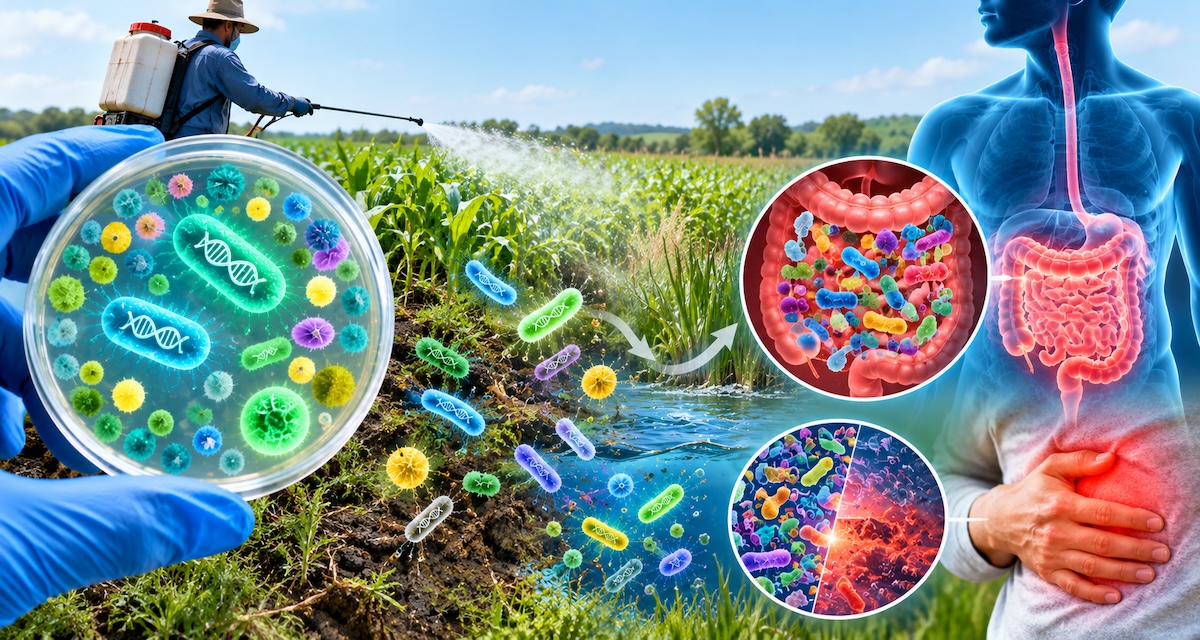
Scientists have found that glyphosate can encourage the growth and spread of bacteria that are resistant to antibiotics, raising fresh concerns about the unintended consequences of modern farming. The study suggests exposure to glyphosate triggers natural selection among germs, allowing tougher, drug-resistant bacteria to thrive while more vulnerable strains die out. If passed on to humans, either directly to farmers working in fields or through contaminated food and water, drug-resistant bacteria can make common infections more difficult to treat and increase the risk of serious illnesses that cannot easily be treated. “These results suggest that weedkillers – which, unlike antibiotics, are widely applied in agricultural environments – may have the unintended side-effect of selecting for AMR (antimicrobial resistance) among bacterial communities within the soil,” said Dr Daniela Centrón, one of the authors of the study. More here. 
Sublethal glyphosate exposure reduces foraging and disrupts brains of honeybees
Glyphosate was long thought to be safe for honeybees because they lack the enzyme the chemical targets in weeds. However, research shows glyphosate-exposed bees forage 13 percent less after only three days and show changes in brain chemicals linked to behaviour. Across a whole hive, that decline could reduce honey production, weaken pollination, and threaten long-term survival.
GLYPHOSATE, FORESTS AND FIRE
Bombarding America’s forests with Roundup
A year-long investigation by Mother Jones, which has prompted questions from lawmakers in Congress, found that logging companies and the US Forest Service have been spraying massive amounts of glyphosate herbicide in clear-cut and fire-ravaged forests of California. A once-idyllic landscape in remote Northeast California, spanning tens of thousands of acres, is among California’s most heavily sprayed forest areas. Thanks to the chemicals, it is now a moonscape. And even where the Forest Service is claiming not to currently be spraying Roundup, there is evidence that it is.
Watch: Bombarding America’s forests 
Mother Jones has produced a series of videos about the issues raised by their in-depth investigation into glyphosate spraying in national forests:
The secret plan to cover the world in herbicide
Surveying California’s Roundup-sprayed forest from above
Checking out what the Forest Service are really doing
Spraying Roundup near Lake Tahoe? A gold medallist is fighting back
US lawmakers demand answers about spraying Roundup all over public lands
Forest Service relies on 15-year-old risk assessment that heavily cites junk science 
The US Forest Service’s 2011 risk assessment, which depicts glyphosate as posing no significant threat to people and the environment, references a reassuring review published by Williams et al 27 times – more than any other peer-reviewed paper, to refute studies that raised health concerns. But five of the seven most-cited journal articles in Williams et al were either directly orchestrated by Monsanto or written by authors with financial ties to the company. And the paper itself was recently retracted due to such conflicts of interest (for more on this see our FRAUDULENT BASIS OF GLYPHOSATE REGULATION section). Yet the Forest Service’s risk assessment, basing itself on the now-retracted paper, even claims if you were fully immersed in undiluted glyphosate, there would be no cancer risk. 
Listen: Poisoning the forest for the trees
Nate Halverson reports on his year-long investigation into how Roundup is being sprayed in record amounts in California’s forests and the secret plan that helped make it possible. “The wedding of the chemical industry and the Forest Service has got to be seriously and deeply looked at,” Craig Thomas, a fire restoration expert, tells him. The Forest Service is “addicted to herbicide use and glyphosate, and we need to get them into rehab”.
US Take Action: Tell the US Forest Service to stop spraying glyphosate in national forests
Glyphosate can kill plants that provide food and shelter for wildlife, alter forest ecosystems, and expose wildlife and humans to this controversial herbicide. Sign the Environment America petition to tell the US Forest Service to stop spraying glyphosate in national forests. 
Groups urge Newsom to stop glyphosate use in California’s forests 
A coalition of Northern California residents, advocates, grassroots organisations and professors is demanding that Gov. Gavin Newsom halt the spraying of the herbicide glyphosate in California’s private and state forests, citing concerns about potential health and environmental risks, as well as the now retracted safety study by Williams et al (see FRAUDULENT BASIS OF GLYPHOSATE REGULATION, above).
Why is the US Government dumping toxic chemicals onto public lands?
It’s not just national forests that are being bombarded with glyphosate and a whole series of other toxic chemicals. Over the past year, federal agencies have sprayed tens of thousands of gallons of herbicides and insecticides across the mountains, canyons, plateaus, and deserts of the American West. These spraying programmes are creating “virtual dead zones” in wild places, with a dearth of insect life even in the places where plants survive.
Canada: New research finds aspen trees can act as a wildfire barrier – but they’re being eradicated with glyphosate
Image
Ontario continues to experience its worst fire season on record. But every summer, forestry companies spray thousands of hectares of Crown land with herbicides designed to kill broadleaf vegetation which competes with coniferous trees that are harvested for their lumber. The most commonly used herbicide for this purpose is glyphosate. Now new research confirms that the very broadleaf trees (aspen) that companies have been busy eradicating in Canadian forests with glyphosate are the firebreaks. “If you significantly reduce aspen in commercial forests, whether it's through brushing or glyphosate, then I really believe that you’re increasing fire risk in the long term,” said Flavie Pelletier, lead author of the new study.
Canadian Forest Service also relies on retracted safety review
The Canadian Forest Service (CFS) also relies on the ghostwritten Williams et al review (see FRAUDULENT BASIS OF GLYPHOSATE REGULATION, above) in dismissing concerns about glyphosate causing cancer or being an endocrine disruptor. And having referenced the now-discredited paper, CFS states, “Such reviews conducted by highly qualified professional toxicologists and risk assessment specialists provide the most credible and reliable sources of information”. 
Canada: Debate over forest management rages amid wildfire surge
As of mid-July, the Canadian Interagency Forest Fire Centre had reported 891 active wildfires across Canada. Questions are emerging about how best to manage them. According to the Canadian Forest Service, aerial application of herbicides – mostly glyphosate – is used to suppress competing vegetation helping newly planted conifers such as pine and spruce establish. Forest entomologist Paul Bell says as broadleaf vegetation declines due to glyphosate use, forests can become less diverse, weakening the complex food webs that support healthy ecosystems. For instance, glyphosate removes vegetation that provides food, shelter and breeding habitat. On top of that, environmental scientist Brenna Lattimore says glyphosate also “leaves behind dead, dry vegetation. It’s ready to ignite.” And the broadleaf trees glyphosate kills are “wet trees” with more moisture in them than conifers. “They create natural firebreaks” (see item above for research supporing this, and this in-depth article for more on how glyphosate undermines fire mitigation).
Forest fires and glyphosate: An examination of the unspoken
What happens when millions of hectares of Canadian glyphosate-sprayed forest burn, and the smoke crosses a continent? No regulator in North America has ever asked that question. Not because it’s unanswerable, but because nobody has been required to. Dr Michelle Perro looks at the evidence and makes suggestions for what families can to do to take action and reduce their exposure to forest fire smoke particulates and whatever is riding on them.
Ignoring the evidence: Glyphosate, deer and the abuse of power
Rod Cumberland – the Canadian biologist fired after opposing glyphosate use in forestry because of its catastrophic effect on wildlife – has a book out: “Part memoir, part exposé... about how power and politics and corrupted science endanger our natural world”. And it’s not just available in Canada. Here’s a video of Rod talking to Southwest Magazine about his book and the devastating impacts of glyphosate spraying on deer populations and forest ecosystems that he discovered while working as New Brunswick’s deer biologist.
Canada: Treaty chiefs call for moratorium on aerial glyphosate use across their territory
Leaders representing the 21 First Nations of the Robinson Huron Treaty of 1850 have warned that forestry companies do not have permission to conduct aerial or ground-based herbicide spraying within their treaty territory. The leaders say jurisdiction over the lands and forests remains with the treaty nations. In May 2025 the Chiefs of the Robinson Huron Treaty unanimously passed a resolution calling for an immediate moratorium on the aerial spraying of glyphosate and other herbicides throughout the Treaty territory. The Treaty is an agreement signed in 1850 between the Ojibwa chiefs of Lake Huron and the British Crown.

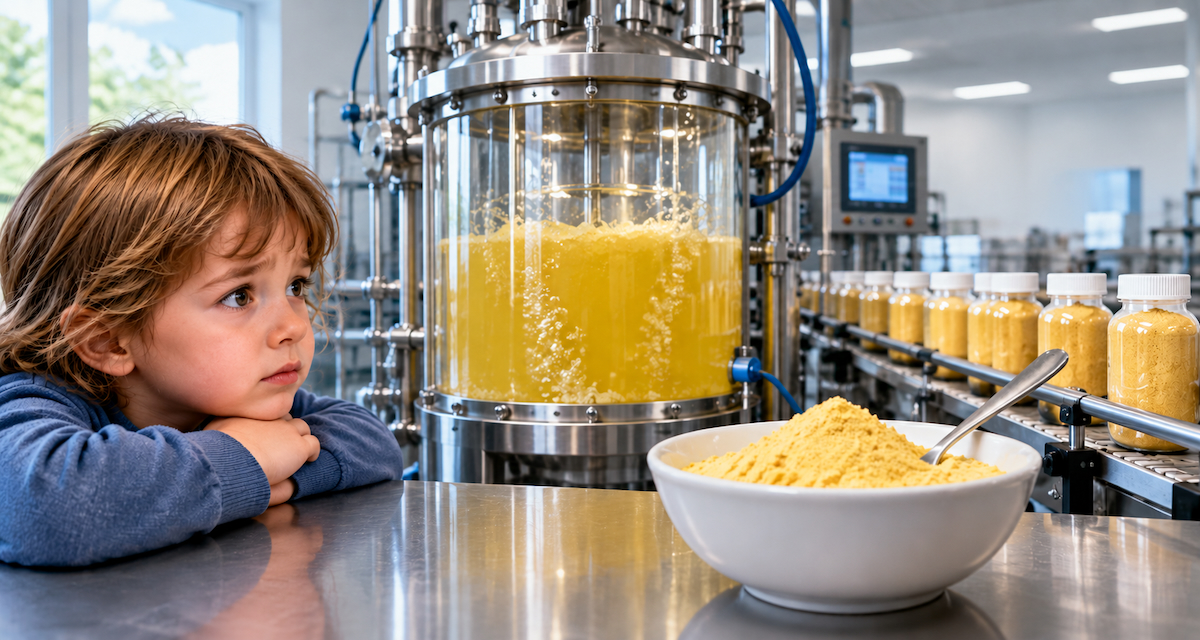
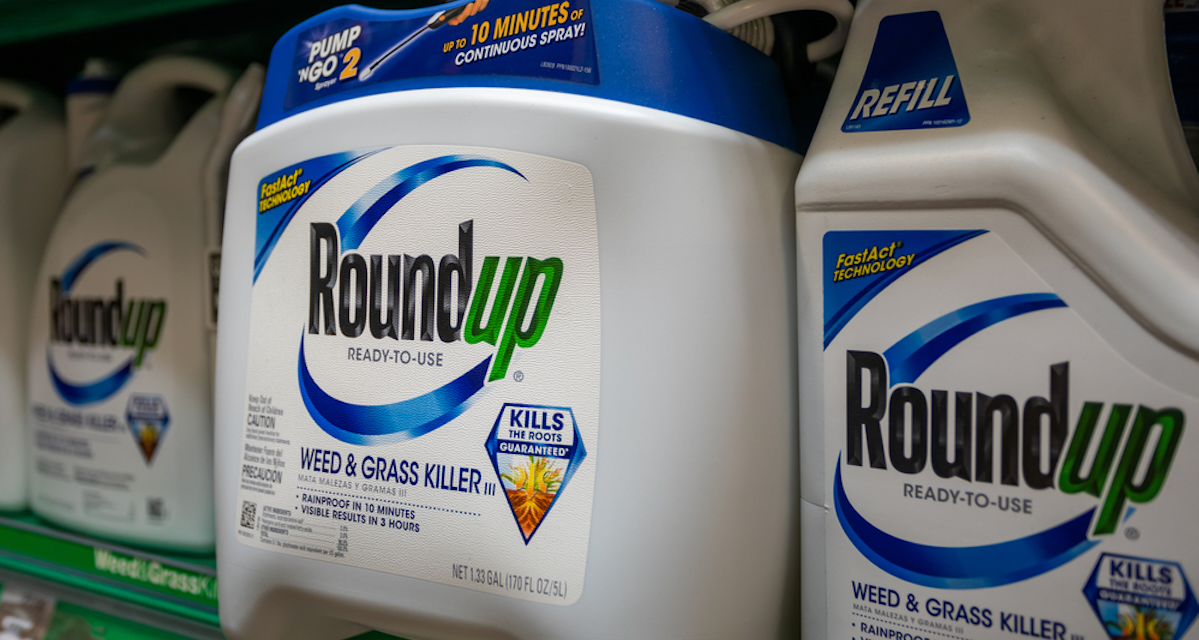
Images of Roundup and the forest fire are from Shutterstock (licensed purchases). The image of Prof Antoniou is courtesy of himself and the image of Dr Rupy Aujla is taken from his video.

Glyphosate-based herbicides cause neurobehavioral alterations, suggesting link to autism

Details
Published: 04 August 2026


In a study in rats, when pregnant mothers and their descendants were exposed to doses considered safe by regulatory agencies, adverse effects were seen in offspring

Read more …

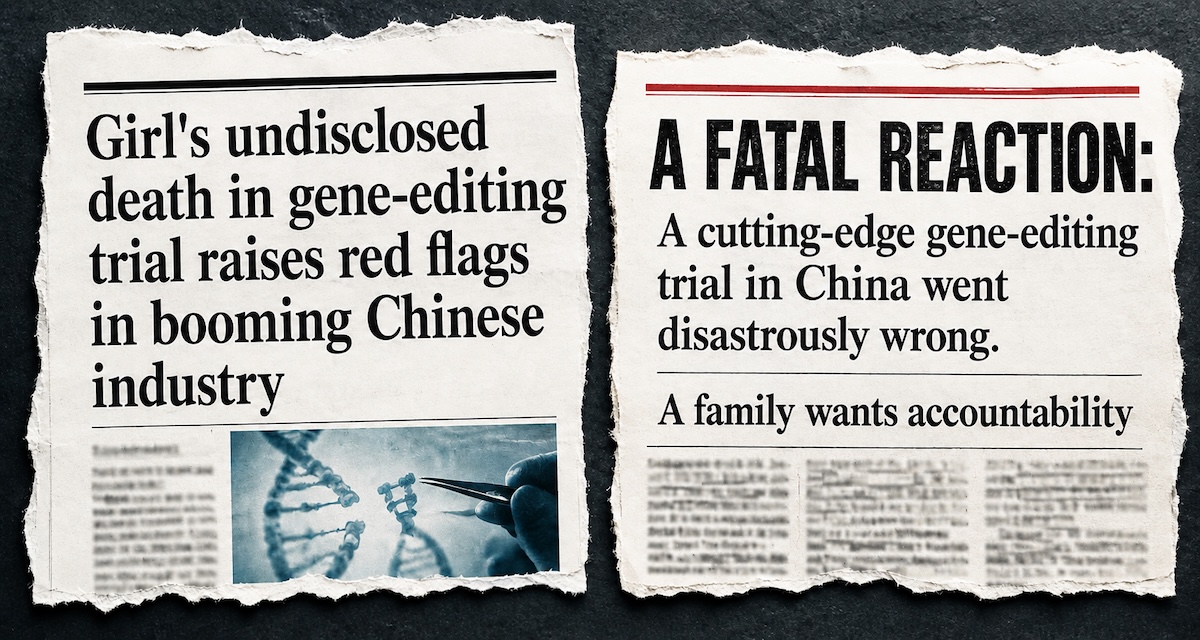
Gene therapy trial characterised by hype and hubris ends in a child's death

Details
Published: 01 August 2026


Tragic incident begs questions about safety and ethics violations in the wider field of genetic engineering. Report: Claire Robinson and Jonathan Matthews

Read more …

Hypermorphing: Minor gene edits with major effects – and major risks

Details
Published: 28 July 2026

New gene editing technique can easily circumvent risk assessment, thanks to the EU's lax new rule, says Swiss GMO-free organisation SAG

Read more …

Slack messages show authors of key COVID-19 origins paper held private doubts

Details
Published: 24 July 2026

 Virologists told the public the virus could not have come from a lab – but privately knew it was plausible

Read more …

Critics say Argentine GM HB4 wheat is a “failure” and cannot withstand drought

Details
Published: 07 July 2026


Award presented to GM wheat genetic engineer Raquel Chan in Paris has reignited doubts about the crop and the technology. Report: Claire Robinson

Read more …

Families suffering from pesticide exposure demand better health protection, not deregulation

Details
Published: 02 July 2026

 EU lawmakers must “put public health first and reject any attempt to weaken Europe’s protections from pesticides”

Read more …

Philippines: MASIPAG challenges approval of GM rice

Details
Published: 02 July 2026


Calls for suspension amid judicial and public concerns

Read more …

Roundup may affect hormones tied to pregnancy and fetal development, new research finds

Details
Published: 21 June 2026

Higher glyphosate levels were linked to hormonal shifts in a study of pregnant women

Read more …

The government is negligent over glyphosate, says leading professor

Details
Published: 18 June 2026

Michael Antoniou, Professor Emeritus at King’s College London, is on a mission to educate people about glyphosate and the corruptness of the regulating system. By Nick Easen

Read more …

New GMOs deregulated: A betrayal of farmers, consumers and science itself

Details
Published: 18 June 2026


Further reactions to the EU deregulation of new GMOs

Read more …

More reactions to EU deregulation of new GMOs

Details
Published: 17 June 2026


"A sad day for democracy and science"

Read more …

NGT vote: European Parliament opens the floodgates to a wave of patents

Details
Published: 17 June 2026

ARCHE NOAH: A dark day for diversity and freedom of choice

Read more …

Reactions to EU deregulation of new GMOs

Details
Published: 17 June 2026


EU lawmakers abolish minimum rights for consumers, breeders, food sector

Read more …

Please help remarkable film on the future of food get out to the world

Details
Published: 12 June 2026

Important fundraiser

Read more …

New GMOs: Will EU lawmakers choose people and nature protections or absolute faith in industry promises?

Details
Published: 11 June 2026


There’s no evidence that deregulation will deliver climate resilience. By Friends of the Earth Europe

Read more …

Review 603: GMOs in General, Part II

Details
Published: 10 June 2026

Welcome to this Review, which leads with more URGENT UPDATES ON NEW GMOs, including how to take action, and goes on to cover GMO CONTAMINATION and CORPORATE CONTROL, as well as developments on SYNBIO, TECHNO-DELUSION, and COVID ORIGINS.

URGENT UPDATES ON NEW GMOs 

Protest against deregulation of new GMOs
On 17 June the European Parliament will decide on the deregulation of new GMO techniques. The day before, 16 June, a protest will take place in Strasbourg against the threat of a slew of patents on seeds, contamination of organics, and the removal of safety checks, transparency and traceability.
WHEN? 16 June from 8 am to 12 pm
WHERE? In front of the European Parliament in Strasbourg
EU deregulation: Potential consequences (video)
If you want to know why the European Commission’s proposal to deregulate new genetic engineering techniques is so irresponsible and dangerous, check out this interview with Claire Robinson of GMWatch, available on YouTube, from 2023 with the Dutch newspaper De Andere Krant, where Claire explains exactly why there are major risks to health and the environment, as well as a critical loss of farmer and consumer choice. 
EU Take Action: Blacked-out ingredients
You still have time to send an email to your Members of the European Parliament (MEPs) asking them to stand for strict regulations for all new GMOs! The action is available in different languages.
EU Take Action: Grab MEPs’ attention on LinkedIn
On LinkedIn you can engage directly with European Parliamentarians, where they are most active and visible. You can comment on their personal LinkedIn pages with just one click at this link, with help in constructing a comment.
EU Take Action: Don’t be shy, call your MEPs!
The most impactful thing we can do is to call the MEPs directly. Personal calls from concerned citizens are taken very seriously by them. And it’s so easy to do – at the link above you can find everything you need for placing your call, including suggested comments.
Webinar: The last exit before new GM plants and GM microorganisms get out of control?
11 June 2026
14:00-15:30 CEST
The future of our biodiversity is at risk: Two EU proposals to lower environmental safety standards for genetically engineered organisms would allow far-reaching interventions in both plants and microorganisms. In this webinar, biosafety experts call on political decision makers to carefully consider the environmental risks. Register now!
Future regulation of new GM plants and seed patents
Ahead of the decisive votes in the European Parliament on 15 June (ENVI Committee) and 17 June (Plenary) on the deregulation of GM “new genomics techniques” (NGT) plants, a No Patents on Seeds workshop explained how the issue of seed patents will shape the future of food and agriculture in Europe. A recording will be made available at the link above.
UK Take Action: Ask your MP to stand up for transparency, choice and accountability
The High Court has found that the Government acted unlawfully when introducing their new gene-editing Regulations without adequate transparency and labelling of “precision-bred” GMOs (PBOs). As Ministers consider what happens next, now is the time to ask your MP to ensure that transparency, traceability, informed choice and accountability are put back at the heart of the system. Use Beyond GM’s link to email your MP – it’s easy to do.
Latin America mobilises against the advance of gene editing
Groups and leading figures in biodiversity and agroecology from 15 Latin American countries met recently in Quito, Ecuador to coordinate actions against the deregulated expansion of new GMOs, often without adequate mechanisms for public information, traceability, or citizen participation.  They established a regional strategy focusing on enhanced monitoring, public awareness, and policy advocacy to protect biodiversity, peasant seeds, and food sovereignty from the damaging impacts of these technologies.
Gene Editing in Latin America: Dangers, Traps, and Problems
A newly released (Spanish language) book from Alianza Biodiversidad – co-authored by a broad coalition of scientists and environmental advocates – provides a useful handbook on how gene editing is acting as a corporate trap designed to bypass Latin America’s existing GM safety laws and so evade risk evaluation – and keep consumers in the dark. The book also maps out exactly where experimental and commercial trials are taking place across the continent. Available to download for free at the link above. There are also accompanying multimedia materials.
GMO CONTAMINATION
Argentina fights to save huge soy exports after Dutch rejections
Argentina is scrambling to keep its soy flowing to Europe after an unapproved GMO strain, HB4, developed by Bioceres, was detected in multiple shipments arriving in the Netherlands, a key entry hub to Europe for such imports. Argentine farmers and exporters are said to be actively attempting to quarantine and segregate the rogue GMO crops to ensure they do not mix with non-GMO shipments destined for the EU. The EU has also flagged some banned GMOs in Brazilian soymeal cargos.
The Canadian GMO mustard wars
There are major concerns that a new GMO mustard plant will ruin the pure mustard Canadian farmers grow for the premium Dijon bottlers in France, the US and Japan, as well as other specialty mustards. The industry is worth about $150 million (C$209 million) in exports annually – only a fraction of the $8.9 billion (C$12.4 billion) canola exports market. But in a geography where canola fails more often than it flourishes, mustard has been the lifeblood of many farms since growers started planting it 90 years ago. “It [the GM mustard] has the potential of wrecking a whole industry,” said farmer Norm Hall, chair of SaskMustard, which represents Saskatchewan’s mustard growers. The group is lobbying the government in Ottawa to keep the crop out of Canada.
China rejects more Indian rice consignments on alleged GMO presence
China continues to reject Indian non-basmati rice consignments, alleging they contain GMOs. Sources say about 70 consignments have been rejected in total so far because of GMO contamination. Now China has suspended the import licences of three Indian rice exporters due to GMO contamination of their consignments. The move is expected to have far reaching consequences on India’s rice trade, say exporters, given the importance of China’s rice market. The Indian government maintains that no GM food crop is grown in the country. But India has launched two GM gene-edited rice varieties, including field testing them, though we don't know if these are the same varieties that China alleges are present in consignments.
Canada Action Alert: Loblaws is selling GM tomatoes
In Canada? Ask Loblaw to remove GMO purple tomatoes from their stores. No clear labelling = no clear choice.
CORPORATE CONTROL
New study shows how 15 countries criminalise saving seeds
A new study, “When saving seeds becomes a crime”, authored by Karine Peschard, Associate Research Fellow at the Geneva Academy of International Humanitarian Law and Human Rights, aims to document the criminalisation of farmers’ rights to save, use, exchange, and sell seeds under plant breeders’ rights (PBR) laws. The study reviews the modalities of criminalisation and their impact on farmers, based on case studies. Peschard concludes: “A farmer who allegedly infringes PBR does not represent a threat to society that justifies the intervention of the state and criminal sanctions.” On the contrary: “It is the criminalisation of farmers’ seed practices that represents a threat to the public interest and to society given its manifold negative impacts on peasant seed systems, agrobiodiversity, farmers’ rights and livelihoods, food security and the right to food.” 
The N’Djamena Declaration: Africa’s seeds belong to its peoples
Participants in the 4th Pan-African Conference on Seed Governance have adopted a landmark declaration on the future of Africa’s farmer-managed seed systems, in which they call for the full recognition, protection and implementation of farmers’ rights and seed sovereignty across Africa. Farmer-Managed Seed Systems (FMSS) remain the backbone of African agriculture – providing 90% of seeds used by millions of farmers across the continent – yet they face growing threats from restrictive seed laws, corporate concentration, and digital technologies that risk converting Africa’s biological heritage into private assets. Find out more at the link above, where you can also download a copy of the declaration.
Bayer sued for allegedly monopolising the US market for GMO corn seeds
Bayer used illegal and anti-competitive practices to monopolise the US market for genetically engineered corn seeds, reaping “hundreds of millions, if not billions, of ill-gotten dollars”, according to a federal lawsuit that adds to legal troubles plaguing the Germany-based company. US crop farmers have struggled with high costs of seeds, fuel and fertiliser, and are facing a fourth straight year of shrinking margins. The lawsuit alleges Bayer raised costs for farmers and independent seed companies by controlling the market for corn seeds engineered to resist its Roundup weedkiller.
Bayer promises to suspend “unfair provisions” in seed contracts for several years
Bayer has promised the US Dept of Justice to suspend “unfair provisions” in seed contracts for several years. But Bill Freese, science director at the Center for Food Safety, says “these modest agreements with Bayer do not go nearly far enough to help American farmers suffering from Trump’s anti-farmers policies”.
US farm lobby pushes AGOA leverage to expand GMO access in African markets
US agricultural industry groups are urging Washington to use the African Growth and Opportunity Act (AGOA) as leverage to pressure African governments into adopting more permissive regulations on genetically modified crops. In a letter to the Office of the US Trade Representative, a coalition of 15 American agricultural organisations, including the National Corn Growers Association and the American Farm Bureau Federation, called on the Trump administration to make agricultural biotechnology (i.e. GMO) policy a central condition in determining African countries’ continued eligibility for AGOA trade preferences (duty-free access for specific items). The groups argued that restrictive biotechnology regulations across much of Africa are limiting market access for US agricultural exports, particularly genetically modified maize and other biotech products widely cultivated in the US. 
“Most dangerous corporation in America” is handed the keys to US farmer data
Palantir – the AI-based company that has been called “the most dangerous corporation in America” – is being handed the keys to US farmer data. The US Dept of Agriculture is contracting with one of today’s most notorious and antidemocratic corporations. What could possibly go wrong? Palantir’s founder is Peter Thiel, a billionaire venture capitalist and Trump donor. Many observers have expressed alarm about Thiel’s and Palantir’s role in the rise of an authoritarian surveillance state and threats to human rights worldwide.
US strategies to push GM maize/soybean in India
The US pressuring India to legalise large-scale illegal herbicide-tolerant GM crops led to an investigation by India’s intelligence agencies. But six years after the last reports on the matter, the investigations seem to have been silently withdrawn.
Who owns the seed? The corporate takeover India’s farmers are fighting
In December 2025, hundreds of thousands of farmers across India burned copies of the draft Seeds Bill 2025 outside their village offices. The date was not chosen randomly – it mirrored the mass mobilisations of 2020-21, when the same farming communities spent over a year camped on Delhi’s borders until three farm laws were withdrawn. This time, they are fighting something quieter but no less consequential: who gets to own a seed. The Seeds Bill 2025, released by the Ministry of Agriculture in November 2025 for public consultation, is India’s fourth attempt in two decades to replace the Seeds Act of 1966 – previous drafts in 2004, 2010, and 2019 collapsed under sustained opposition. Samyukta Kisan Morcha, the collective formed during the 2020-21 agitation, has described the bill as introducing “a heavily centralised and corporatised regulatory system that risks weakening farmer-centred protections”.
Take Action: Defend seed sovereignty in the Philippines!
The ongoing EU–Philippines trade negotiations are pushing Philippines to align with the International Union for the Protection of New Varieties of Plants (UPOV), which redefines seeds as private property. For majority of small scale Filipino farmers, this will directly threaten their livelihoods. Support their call against this deal! 
Is Bangladesh-US trade deal a backdoor for GMO dumping?
Bangladesh signed the US Reciprocal Trade Agreement in February 2026. Within two weeks, the US Supreme Court ruled that the tariff regime underpinning such agreements – imposed under the International Emergency Economic Powers Act (IEEPA) – violated federal law. Malaysia backed out of the agreement, but Bangladesh did not. Farida Akhter, former adviser to the Ministry of Fisheries and Livestock under the interim government and executive director of UBINIG, writes that the US trade deal is nothing but a dumping of GMOs through meat and dairy products. She points out that the agreement mandates that Bangladesh allow GM products without pre-market approval, labelling, or special regulation, and that US livestock are fed with GM soybean and corn. She says Bangladesh should follow the Malaysian decision to back out.
SYNBIO
Synbio milk nutritionally inferior to cow’s milk; contains 93 uncharacterised fungal metabolites and 236 fungal proteins
A new publication marks the entry into the peer-reviewed literature of some remarkable lab findings on synbio milk. Synbio is short for synthetic biology, an extreme form of GM. The synbio fake milk that was analysed in the lab tests was produced from genetically engineered yeast in a process known as “precision fermentation”. The testing showed that contrary to the manufacturer’s claims, the synbio milk is nothing like cow’s milk and the production process is anything but precise. In the study, published in Scientific Reports, multi-omics profiling (in-depth molecular analysis) found that synbio milk differs nutritionally from cow’s milk and contains 93 uncharacterised fungal metabolites and 236 fungal proteins. The findings build on safety questions about other foods derived from GM micro-organisms, such as Impossible Foods’ soy leghemoglobin, which is added to fake meat burgers in the US to give a ‘bleeding’ appearance, like undercooked meat.
TECHNO-DELUSION
A robot to pollinate genetically modified tomatoes
Agritech is the convergence of genetics, robotics and digital technology. In China, scientists have genetically modified a tomato to be more easily pollinated by a robot, which is itself controlled by a network of connected computers, commonly referred to as “artificial intelligence” (“AI”). This “innovation” is, above all, an illustration of the current headlong rush toward ever more complex techno-fixes.
Rubber from dandelions?
QuberTech, a start-up company at Norwich Research Park, is aiming to transform the industrial production of rubber by gene editing dandelions. GMW comments that the current level of rubber production from dandelions is... zero. Even if the dandelion system works at a small scale at the experimental level, upscaling the venture to make a meaningful contribution to rubber production is pie-in-the-sky.
COVID ORIGINS
CIA whistleblower alleges COVID lab-leak findings were suppressed by agency
CIA analysts concluded multiple times that COVID-19 most likely originated from a laboratory, but intelligence leaders repeatedly altered those findings in official summaries later offered to the public, a CIA whistleblower testified before the Senate Homeland Security and Government Affairs Committee. James Erdman III, a longtime Central Intelligence Agency operations officer who was recently assigned to a detail investigating COVID origins within the Office of the Director of National Intelligence, testified under subpoena that analysts inside the CIA and the broader intelligence community favoured a laboratory-origin assessment in the years immediately following the pandemic’s outbreak. But CIA managers suppressed or altered those conclusions, he asserted.
Developments on COVID’s lab origins (video)
Tony Fauci labelled a study he funded “gain-of-function” and then testified under oath he had never funded such a study. Dan Proft interviews journalist Paul D. Thacker.

Review 602: GMOs in General, Part I

Details
Published: 08 June 2026

Welcome to our latest Review, which leads with an inspiring update on “new GMOs” and goes on to feature GMO FAILURES, GMO DISASTERS, and cases of GMO EXPANSION. Part II will follow soon, with all the latest on GMO CONTAMINATION, CORPORATE CONTROL, and more.

NEW GMOs: IMPORTANT UPDATE

Victory! UK High Court finds government failed to properly assess gene editing deregulation
Image
Beyond GM and its co-claimants have welcomed the High Court judgment on the Genetic Technology (Precision Breeding) Regulations 2025. The Court found that the government did not investigate fully the consequences of its decision to deregulate gene-edited (so-called “precision bred”/PB) organisms before removing longstanding safeguards relating to transparency, traceability, labelling and regulatory oversight. 
A wake-up call for the EU: Act now for a GMO-free future
German Green MEP Martin Häusling commented on the ruling (above): “The British ruling makes it crystal clear: the European Commission’s planned deregulation of new genetic engineering techniques is a dangerous misstep based on incomplete analyses, false promises and a disregard for democratic principles. The promises of fewer pesticides or more climate-resilient crops are pure speculation, whilst the risks to the environment, health and freedom of choice are very real. The Greens/EFA therefore urge the European Parliament to learn the lessons from the UK’s legal misstep. The final votes on the NGT legislative proposal must be used to maintain the current legally sound, transparent framework based on the precautionary principle, and not to allow deregulation through the back door. We need an agroecological transformation, not empty promises about technology at the expense of our farmers, our environment and our consumer rights.” 
GMO FAILURES
Global GMO acreage remains stagnant
In 2024 – the last year for which comprehensive figures published in a peer-reviewed academic journal are available – 209.8 million hectares (518.4 million acres) of GM crops were grown worldwide, representing just 4.2% of global farmland. Beyond this relatively low percentage, it is also important to note that, for decades, GM crops have been limited to just four countries. Brazil, the US, Argentina and Canada cultivate 85.2% of the total global GMO crop area, and just four crops – soybeans, corn, cotton and canola (rape) – account for 99.2% of that. Other GM crops account for less than 1% of the global acreage. Yet GMO proponents readily cite the Bt eggplant in Bangladesh, or African countries that have recently authorised transgenic cotton or cowpeas, to create the illusion of GMO success. Over the 2018-2024 period, just one country – Brazil – is responsible for 91.4% of the global increase in the area planted with GM crops. A large part of that increase came from soybeans almost entirely genetically modified to tolerate herbicides, and 60% of this production is exported to China as animal feed for factory farms. This expansion of cultivated land is also linked to deforestation. For more analysis see the full article by Inf’OGM. 
Nigeria: GMO cotton suspension triggers regulatory tension in biotech sector
A  recent regulatory intervention by the National Biosafety Management Agency (NBMA), which we reported in Review 598, has brought Nigeria’s biotechnology oversight framework under further critical scrutiny. The suspension of four GM cotton varieties over what the agency described as “serious compliance abnormalities” in their approval process has triggered fresh concerns over regulatory coordination, compliance enforcement, and governance gaps within Nigeria’s biotechnology sector. It also shows the deliberate disregard for due process that results from the desperation and arrogance of the biotech industry, according to the prominent environmentalist and author Dr Nnimmo Bassey. 
Nigeria needs to critically re-examine its appetite for GMOs
According to Joyce Brown, Director of Programmes and Lead on Hunger Politics at the ecological think tank the Health of Mother Earth Foundation, Nigeria needs to take a step back to critically re-examine its appetite for GMOs, noting that the previously approved Bt cotton, according to the National Cotton Association of Nigeria, does not perform much better than the conventional varieties but instead degrades the soil, making it unproductive for local varieties. Farmers have planted Bt cotton for up to four years and couldn’t find any comparative advantage, other than that it was destroying their soil.
First Lady of Nigerian state leads campaigns that promote organic produce over GMOs
Nigeria has one of the few African governments pushing GMOs. But the wife of the governor of the Nigerian State of Anambra leads campaigns that advocate for organic farm produce over GMOs, emphasising soil health and improved biodiversity and food security. First Lady Dr Nonye Soludo’s work empowering households to cultivate healthy organic foods in their home gardens and communities – to promote food security and economic support – has contributed to a merit award for advancing public health by the Nigerian Medical Association, as well as other notable awards.
New hype on old studies misleads about GMO chestnut tree
Image
SilvaBio, the corporation seeking to mass clone and sell genetically engineered American chestnut trees, released a press release on 25 April claiming “four independent studies” validate the blight tolerance of their Darling 54 (D54) trees. In reality, according to the Global Justice Ecology Project (GJEP), far from validating the “blight resistance” of the D54, “SilvaBio repackages limited, short-term and previously available studies to create the appearance of momentum for a deeply flawed tree.” 
India: Punjab bets on new non-GM seed to revive cotton 
A new high-yielding non-Bt cotton variety, introduced this kharif (monsoon) sowing season, could become a game changer at a time when Punjab is facing a challenge in boosting the acreage of the traditional kharif crop. Developed by Punjab Agricultural University, the new desi (indigenous) cotton variety is resistant to whitefly, jassid and other diseases, and is less susceptible to pink bollworm attacks. Experts said that four years of tests and trials have shown the non-GM variety has a low-input cost, and cotton derived from indigenous varieties has commercial value in the pharmaceutical industry. The acreage under cotton declined in 2022, then fell sharply in 2023 and 2024, largely due to persistent pest attacks (on GM Bt cotton) that drove up input costs.
Safe and nutritious food becomes important as GM food is not helping, Bangladesh minister says
Bangladesh is going to export “organic meat” produced by feeding cattle with completely natural and nutritious grass without any genetic modification within the next three years, according to the country’s Fisheries and Livestock Minister Mohammed Aminur Rashid. Addressing a seminar in Dhaka, the minister said safe and nutritious food is becoming very important globally as genetically modified food is not bringing good results. GMWatch notes that at one point Bangladesh was the darling of the GMO lobby. The honeymoon clearly seems to be over.
New book – Feeding the World as If People Mattered: How Small Farms Produce Value Beyond Yields
Food Sleuth Radio has an interview with food and farming systems researcher Andrew Flachs, assistant professor of anthropology at Purdue University, about his new book, Feeding the World as If People Mattered: How Small Farms Produce Value Beyond Yields. The interview takes in his research on GMO crops. For example, he says: "The more efficient (GMO) glyphosate-tolerant crops came to be, the more glyphosate was sprayed on them. And we even found that effect to be true in pesticide-reducing Bt crops... India now sprays more pesticides on Bt cotton than they did before this technology was introduced."
GMO DISASTERS
Herbicide cocktail used in GMO agriculture causes leaky gut
Image
In response to the spread of glyphosate-resistant weeds in GM agriculture, the agbiotech industry has developed GM crops tolerant to glyphosate plus 2,4-D, and glyphosate plus dicamba. The two additional herbicides are both problematic ones that glyphosate was originally meant to replace. As a result, people are increasingly exposed to mixtures of these herbicides, yet no studies have been conducted to assess the health risks of such chemical cocktails. In a new study, scientists have found that both glyphosate at a dose that regulators claim does not cause ill effects, and a glyphosate, 2,4-D, dicamba mixture at levels that regulators deem safe to ingest over a lifetime, cause gut dysbiosis. This translates as an imbalance in the composition and biochemical function of the gut, including the microbiome, and compromised integrity in both the small and large intestine (‘leaky gut’) – with the mixture showing the greatest negative impact. 
102 farmers died by suicide in Yavatmal, India in 2026
As many as 102 farmers died by suicide between January and May 2026 in Yavatmal district in the Vidarbha region of Maharashtra. “This reflects a complete collapse of the agrarian support system and the government’s failure to protect distressed farmers,” said Kishor Tiwari, founder of the Vidarbha Jan Andolan Samiti (VJAS). Tiwari said Yavatmal, located in the drought-prone cotton-growing belt of Vidarbha, remains heavily dependent on rain-fed agriculture and continues to suffer from severe irrigation shortages. He added that rising input costs, expensive GM Bt cotton seeds, lack of assured remunerative prices and the absence of effective crop diversification policies had further intensified the crisis.
GMO EXPANSION
GM bananas in Ecuador?
The Ecuadorian govt is considering authorising the planting of genetically modified bananas, even though the Constitution prohibits it. Currently, 99% of exported bananas are of the Cavendish variety and this narrow genetic base makes them prone to diseases caused by the pathogen species Fusarium oxysporum. The NGO Acción Ecologica says there are alternatives to GM for controlling disease, like genetic diversification and proper agronomic management. The latter includes shade cultivation and replicating the forest conditions in which the banana originated. Above all, says the group, "We must stop producing bananas as if they were factory-made". GMWatch comments that many non-GMO bananas are resistant to Fusarium diseases. Some of these varieties are considered suitable for direct commercial deployment. However, scientists are mining resistant varieties for useful naturally occurring genes that they can genetically engineer into bananas, thereby enabling patents to be claimed. The false claim that only GM can save the banana has been heavily promoted for over a quarter of century – more on this and the alternatives here.
Guatemala: Group takes legal action over agreement that facilitates use of GM seeds
The Network for the Defence of Food Sovereignty in Guatemala (REDSAG) has filed suit against President of Guatemala over an agreement that facilitates the expansion of GMO seeds – despite Guatemala’s de facto ban on GMOs due to peasant resistance that included the largest waves of protests in the history of Guatemala. REDSAG said: “Our native seeds have been protected by our ancestors and we are concerned about contamination.” Government Decree 53-2026 aims to streamline procedures for producers, exporters, importers and livestock farmers “in the areas of plant and animal genetics and native resources, plant health, animal health and agricultural safety”. The agreement contains provisions that will facilitate the registration of biotechnology processes associated with GM seeds, thereby putting native seeds at risk, said David Paredes, a member of REDSAG. 
Pakistan government decides on major amendments to liberalise GMO import rules
The Pakistan government has decided on major amendments to the Biosafety Rules, aimed at liberalising the regulatory framework for imports of GMOs and simplifying licensing procedures. The reforms are expected to affect Pakistan’s edible oil and poultry sectors, which rely heavily on imported GM soybean and canola for food processing, feed and industrial use. Bt cotton is the only GM crop currently in commercial cultivation in Pakistan, where, as in India, it has been devastated by the pink bollworm, causing huge production losses. Efforts to introduce GM maize for cultivation have faced fierce resistance from agricultural experts and government officials.
Angola eases GMO stance with approval for industrial crops
Angola has authorised the import and production of GM cotton and castor seeds, marking a cautious easing of its long-standing restrictions on GMOs. The Ministry of Agriculture announced the exceptional measure in a statement published on May 15. However, the ministry said producers cannot use the crops for edible oil production. The authorities claim the authorisation will support strategic industries including textiles and biofuels.

Victory! UK High Court finds government failed to properly assess gene editing deregulation

Details
Published: 04 June 2026

Government failed to investigate consequences of its decision to deregulate gene-edited organisms before removing longstanding safeguards relating to transparency, traceability, labelling and regulatory oversight

Read more …

Synbio milk nutritionally inferior to cow’s milk; contains 93 uncharacterised fungal metabolites and 236 fungal proteins

Details
Published: 02 June 2026

Important lab findings pass peer review. Report: Claire Robinson and Jonathan Matthews

Read more …

GMO/NGT: Memo from French Embassy in the United States ignored by the government

Details
Published: 02 June 2026

Memo reveals how GMO deregulation will trap plant breeding and innovation in a patent thicket controlled by a few multinationals and institutions – and won't solve food and farming problems. Report: Eric MEUNIER of Inf'OGM

Read more …

Review 601: New GMOs

Details
Published: 28 May 2026


This Review brings the latest updates on the threatened EU deregulation of new GMOs (EU DEREGULATION), along with news of the court case opposing the UK deregulation (UK DEREGULATION) and reports on pushes for DEREGULATION GLOBALLY. There’s also information on NEW GMO RISKS. 

EU DEREGULATION

EU deregulation vote planned for 17 June
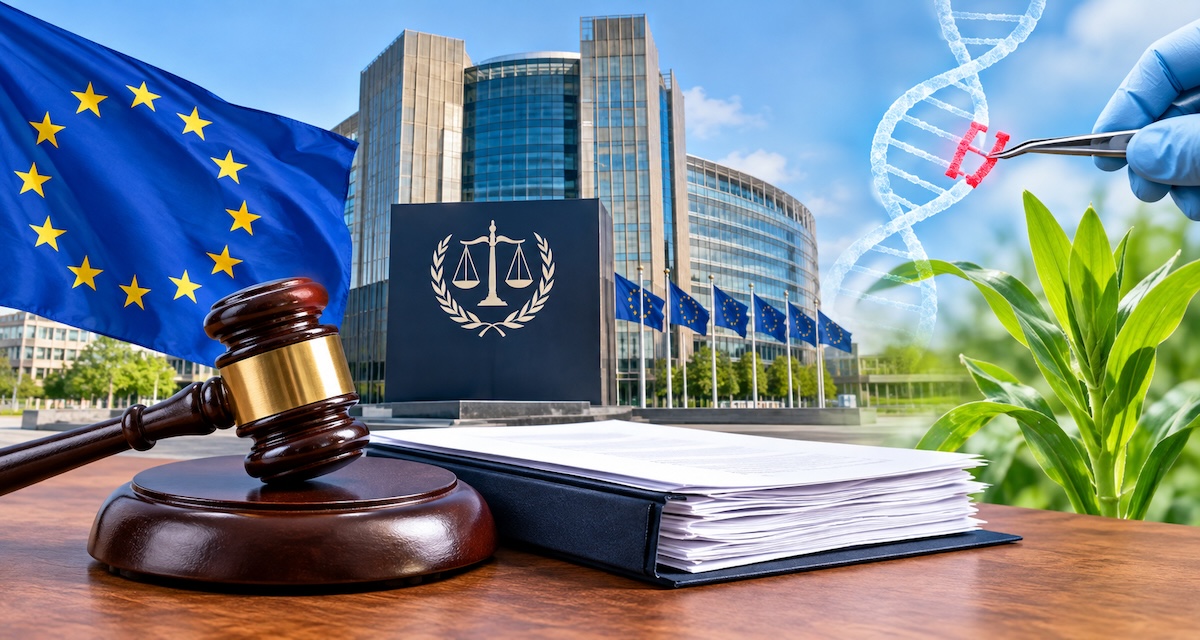
The European Parliament will vote in plenary on Wednesday 17 June on the proposal for deregulating the use of new genomic techniques (NGTs) in agriculture. Thirty-seven amendments have been tabled in the name of The Left (Anja Hazekamp), Greens/EFA (Martin Häusling) and S&D (Christophe Clergeau) groups. This vote will follow an ENVI Committee vote on 15 June.
EU Take Action: Blacked out ingredients
Send an email to your Members of the European Parliament (MEPs) asking them to stand for strict regulations for all new GMOs! The action is available in different languages.
EN https://www.blacked-out-ingredients.eu/en/take-action/
DE https://www.blacked-out-ingredients.eu/de/take-action/
ES https://www.blacked-out-ingredients.eu/es/take-action/
IT https://www.blacked-out-ingredients.eu/it/take-action/
NL https://www.blacked-out-ingredients.eu/nl/take-action/
FR https://www.blacked-out-ingredients.eu/fr/take-action/
EU Take Action: Grab MEPs’ attention on LinkedIn
On LinkedIn you can engage directly with European Parliamentarians, where they are most active and visible. You can comment on their personal LinkedIn pages with just one click at this link, with help in constructing a comment. Every message counts – whether you reach out to one MEP or several.
German MEPs raise concerns over patents
As the European Parliament’s plenary vote on the deregulation of GMOs produced by new genetic modification techniques (GMOs/NGTs) approaches, the issue of patents remains a key point of contention. Against this backdrop, even the German delegation of the European People’s Party (EPP), a business-friendly centre-right political group, is asking the European Commission to show willingness to review Directive 98/44 on “biotechnological inventions” to ensure free access to genetic resources and prevent them from being controlled by major seed companies.
New report highlights gap between “new GMO” hype and global market reality
The Non-GMO industry association ENGA, in cooperation with the US-based Non-GMO Project and semnar, has published its latest report on new GMOs, analysing global market developments and regulatory trends. The report identifies a growing disconnect between expectations, sustainability claims, and real-world deployment. Despite increasing political and industry attention, often driven by the promise of climate and environmental benefits, just four new GMO crops are currently cultivated worldwide (only one more than in 2025). At the same time, 108 crops are in development, often cleared for market access but not cultivated. The anticipated sustainability benefits of new GMO plants have yet to materialise in practice. To date, no new GMO currently on the market contributes to sustainability objectives, while only a limited number of products in development target climate-related traits such as drought or heat tolerance.
European food retailers call for labelling and traceability of new GMOs, protection from patent claims
Leading retail companies have called for improvements to the draft legislation on new GM techniques: labelling must be ensured right through to the end product, traceability must be guaranteed throughout the value chain, and European farmers and breeders must be protected from patents.
The deregulation of new genomic techniques is biologically nonsensical
Writing in Le Monde, a group of scientists have expressed deep concern over the EU proposal to deregulate new GMOs, which they say is based not on science but “an illusion”, as well as “a radical form of biological reductionism” that is “contradicted by the entirety of contemporary biology”. They also warn that it risks opening up EU markets to a slew of patented seeds, which they describe as a threat to European seed sovereignty. GMWatch has published a summary of this important article in English.
Public event in Athens, Greece: Experts warn on EU plans on new GMOs
Image
An event on the risks and impacts that new genetically modified plants will have on health, the environment, the economy, and society, titled “Our Food at Risk: The Hidden Promotion of GMOs” was held in Athens by Greenpeace Greece and the Sito and AEGILOPS seed and biodiversity networks on 7 May. About 100 people – including GMWatch co-director Claire Robinson – attended the event, which took place in the Athens Cultural Centre, and listened to presentations by scientists, organisations, and representatives of political parties regarding the risks and impacts that the planned deregulation of new GM plants will have on health, the environment, the economy, and society. Prof Michael Antoniou gave a detailed presentation on the risks to health and the environment posed by new GM plants. He subsequently gave an interview to the Greek publication OW, an English translation of which is available here. 
Greek agronomists’ association slams EU GMO deregulation plans
The Panhellenic Federation of Agronomists’ Associations (abbreviated in Greek as POSG), the primary professional and scientific organisation representing agronomists across Greece, has strongly criticised the EU’s deregulation plans for GM plants and products derived from new genomic techniques (NGTs). POSG says the proposed regulation will lead to:
* A serious lack of information regarding the food that citizens choose. The absence of clear and mandatory information deprives consumers of their fundamental right to free and informed choice, as they do not know exactly what they are consuming.
* A system of dependence for producers, with serious consequences for the functioning of agricultural production and the preservation of their autonomy, particularly with regard to seeds and plant propagating material. This dependence may have significant legal and economic implications due to the patenting of genetic material.
* The increased risk of widespread contamination of conventional and organic crops by NGT plants, a fact that threatens the security of production systems and the sustainability of distinct production chains. 
* Unforeseeable impacts on biodiversity.
A wide range of stakeholders opposed to the deregulation of GMOs/NGTs
Whilst the process of deregulating GMOs/NGTs is continuing within the European institutions, opposition to it has been growing in recent weeks. These positions are being taken by a wide variety of stakeholders. Inf’OGM offers an overview of the main statements published recently. 
What Europe risks with New GMO and seed regulations
Through the voices of farmers and cooks from across its European network, Slow Food argues that, if adopted in their current form, the deregulation proposals would move Europe further away from food democracy and an agroecological transition.
Non-GMO has a future, says industry summit
The Non-GMO and organic labelling of food is likely to become even more important in future as a result of the EU’s planned deregulation of new genomic techniques (NGTs) – and the agricultural and food sectors will overcome the challenges associated with the new rules, according to the conclusions of the Non-GMO Summit 2026. Over 120 representatives from the food industry, academia, laboratories, market research, the legal sector, public authorities, associations and the media, from 14 countries, gathered in Frankfurt in May 2026 for a conference on the future of non-GMO products, ahead of the upcoming EU deregulation of NGTs. “Consumers want transparency,” said the German Federal Minister for Agriculture Alois Rainer (CSU) in his message opening the conference. The “Ohne Gentechnik” label has established itself as a reliable tool and is an important component of a responsible market. In Rainer’s view, the “high labelling and traceability standards” of “Ohne Gentechnik” can remain in place even after the deregulation of GMOs. 
UK DEREGULATION
PBOs are GMOs: What Beyond GM’s High Court hearing revealed
Beyond GM reports on their court case challenging the UK government’s deregulation of new “precision bred” GMOs (PBOs) in England: “We’ve just picked ourselves up from the floor after an intense and exhausting two-day hearing at the High Court. The proceedings were very technical, with barristers and judge moving constantly between multiple computer screens, paper evidence bundles, legal authorities and witness materials as they worked through the issues in real time. At the same time, the hearing exposed – in a way that pre-trial exchanges often don’t – just how fragile and contradictory the government’s position is. We are grateful to all who came to support us. The court was packed on both days, with members of the public and representatives from civil society, science, academia and the legal community behind us in the gallery. It was the first time the public had a chance to hear the government’s arguments and evidence, some of which were subject to confidentiality restrictions before the hearing. The government’s barristers conceded that PBOs are scientifically genetically modified organisms, while arguing they should not be regulated as GMOs.” Read on at the link above. See also Beyond GM’s X feed for a short sharp lesson on the UK government’s attitude to the public and farmers when it comes to GMOs.
Don’t look, don’t find: UK government blinds itself to risks of new GMOs
Image
GMWatch has published a scientific critique of the UK Government’s Genetic Technology (Precision Breeding) Regulations 2025 and the corresponding ACRE (Advisory Committee on Releases to the Environment) and FSA (Food Standards Agency) guidance documents on new GM gene-edited “precision bred” (GM-PB) plants. The critique is authored by GMWatch co-director Claire Robinson and molecular geneticist Prof Michael Antoniou. It explains why the Regulations and guidance documents are scientifically invalid and fail to protect public health and the environment from risky new generation GMOs. In particular, the critique shows that the ACRE guidance document for applicants, published in November 2025, is so flawed that it significantly weakens the already ill-conceived 2025 Regulations.
The new fight against GMOs — where is everybody? 
Patrick Holden — part of the successful 1990s GMO campaign for appropriate regulations — highlights the importance of preserving our right to keep GMO plants out of our fields and GMO food off our plates. He is a co-claimant in Beyond GM’s judicial review of the UK government's GMO deregulation. He says what he finds shocking is the absence of those voices that should oppose the deregulation: “The National Farmers’ Union represents tens of thousands of farmers, including many who depend on the organic premium and the credibility that comes with a guarantee of non-GM status. Silence. The Consumers Association exists precisely to defend the public’s right to know what is in their food. Silence. The major environmental NGOs, with their memberships, their legal teams, their media relationships and their decades of expertise in exactly this kind of regulatory battle. Silence. And the organic movement itself – the community with the most immediate and practical stake in getting this right – seems to be fighting from the shadows and sidelines.”
Gene-edited meat “on dinner plates soon”?
New legislation allowing the gene editing of farm animals could be approved for England in the coming weeks after researchers have tested the practice on pigs, chickens, sheep and cattle. Critics believe the technology will introduce new welfare risks for farm animals and distract from the need to resolve existing abuses in intensive livestock farming. Work by one New Zealand NGO suggests public reporting of animal gene editing research could help the public decide whether the risks outweigh possible benefits. The NGO believes obliging the AgResearch Ruakura Animal Containment Facility to produce publicly available annual reports describing its work helped end its animal gene manipulation trials and shutter the operation in June 2025. The requirement to produce the annual reports followed a court case against Ruakura brought by the NGO. Examples of adverse effects in the 2023 report include a gene-edited calf born blind, possibly, it says, due to an unintended consequence of the gene edit. Claire Bleakley, president of GE Free New Zealand, said the reports show gene-edited livestock suffering from chronic foot problems, pneumonia, respiratory issues, fused organs and deformities.
UK’s “Regulatory exceptionalism and opacity” on GMOs will block realignment with EU
As part of its attempt to realign post-Brexit UK with EU markets, the UK government wants to negotiate a single market for goods between the UK and EU, but this proposal has been rejected by EU officials, one of whom says: “The UK’s red lines are increasingly constraining progress”. Beyond GM comments: “One UK red line was opposition to meaningful traceability and labelling for GM-precision bred organisms (PBOs), even though current and proposed EU frameworks still retain at least some stronger transparency requirements than the UK regime. The UK is still trying to reassure the biotech industry that GM-PBO deregulation can be carved out from future EU alignment. But the further the UK diverges on transparency and traceability, the harder trade, coexistence and regulatory compatibility become... If the UK wants a durable and trusted regulatory system for GM-PBOs, it cannot be built on regulatory exceptionalism and opacity. Transparency, traceability and democratic participation are not barriers to progress. They are conditions for legitimacy.”
DEREGULATION GLOBALLY
Chile: Organisations criticise government over regulation of GM gene-edited crops
Image
The Chilean Pesticide Action Network (RAP-Chile), together with various environmental, farmers’, beekeepers’ and consumer organisations, has strongly criticised the process initiated by the Agricultural and Livestock Service (SAG) regarding the regulation of crops obtained using technologies such as CRISPR/Cas9, known internationally as new genomic techniques (NGT). In the organisations’ view, the process reveals serious shortcomings in terms of the lack of meaningful public participation and the absence of scientific rigour in the process used to assess the genetic material of genetically edited crops. RAP-Chile also criticised the SAG for failing to take into account the critical issues and risks associated with NGTs, particularly regarding their safety and level of accuracy.
New Zealand: Grass-fed may not mean natural any more (video podcast)
Meat and dairy will still be called “grass-fed”... you just won’t know the grass isn’t natural any more. AgResearch (Govt Crown Research Institute) acknowledges that their genetically engineered (including gene-edited) ryegrass can’t be fully contained once it’s released. It doesn’t just stay in the field it’s planted in. It would contaminate native grass species, with no recall button. Watch the full GE Honesty Podcast with Jodie Bruning from Physicians and Scientists for Global Responsibility for a breakdown of the Gene Technology Bill and what it could mean for New Zealand.
“NEW GMO” RISKS
GM plants differ from non-GM parents in unintended ways – and that goes for GM gene-edited plants too
Following a recent podcast interview, GMWatch co-director Claire Robinson and Prof Michael Antoniou were asked whether there is any solid scientific research looking at how gene expression or molecular composition in older-style “transgenic” and “new GM” gene-edited plants differs from conventionally bred plants. There is good evidence of unintended changes between older-style GMOs and their non-GMO counterparts. Regarding “new GMOs” made with gene editing tools, there is very little research looking at differences between the GM gene-edited plant and its non-GM parent. However, one study has already shown remarkable differences. CRISPR/Cas gene editing and base editing of rice plants caused major changes in gene expression and protein profiles.
Groups take legal action against authorisation of gene-silencing pesticide
POLLINIS and Nature & Progrès Belgium have taken legal action and filed an appeal for annulment against the emergency authorisation of the genetically modified gene-silencing pesticide Calantha in Belgium. Calantha is an RNAi (RNA interference, or gene-silencing) pesticide developed by the US company GreenLight Biosciences, containing Ledprona. Although this active substance is already on the market in the United States, it has been the subject of considerable criticism from various organisations, notably the NGO Center for Food Safety, due to concerns about its safety and its potential effects on non-target species. Ledprona is currently being assessed by the European authorities.
“Far beyond any control or prediction”: The convergence of NGTs and AI - risks to biodiversity
Experts warn that the ongoing convergence of artificial intelligence (AI) and genetic engineering can lead to organisms that “have the potential to produce a set of novel, hard-to-predict effects. Forecasting how bespoke genomes will behave is incredibly difficult.” Once released, the genetic changes “could be out in live beings potentially for millennia, far beyond any control or prediction. They might reverberate down countless generations.” These warnings from expert scientists are featured in an excellent webinar by Testbiotech, now available on Youtube.
India: Farmers’ union advocates indigenous farming practices and warns on gene editing
The Indian farmers’ union Bharatiya Kisan Sangh (BKS) is demanding assured procurement of pulses and oilseeds, incentives for crop diversification, and a ban on gene-editing tools in farming. Highlighting food security concerns, BKS calls for a policy framework for self-reliance and the preservation of indigenous seeds. The opposition against gene editing reflects worries over ecological impacts. 100% procurement of pulses and oilseeds refers to a government policy to buy the entire produce offered by farmers at a guaranteed Minimum Support Price (MSP).

Geneticist explains why new EU bill on genetically modified foods should not be passed

Details
Published: 21 May 2026


Professor Michael Antoniou is interviewed by Kelly Sokou

Read more …

  1. Groups take legal action against authorisation of gene-silencing pesticide
  2. The deregulation of new genomic techniques is biologically nonsensical
  3. New report highlights gap between “new GMO” hype and global market reality
  4. Greek agronomists’ association slams EU GMO deregulation plans
  5. Public event in Athens, Greece: Experts warn on EU plans on new GMOs

Subcategories

Archive Article Count:  17901

2025 Article Count:  112

2024 Article Count:  91

2023 Article Count:  135

2022 Article Count:  156

2021 Article Count:  283

2020 Article Count:  333

2019 Article Count:  540

2018 Article Count:  567

2017 Article Count:  590

2016 Article Count:  707

2015 Article Count:  706

2014 Article Count:  569

2013 Article Count:  655

2012 Article Count:  839

2011 Article Count:  690

2010 Article Count:  741

2009 Article Count:  896

2008 Article Count:  1031

2007 Article Count:  1142

2006 Article Count:  1278

2005 Article Count:  1256

2004 Article Count:  1132

2003 Article Count:  1038

2002 Article Count:  927

2001 Article Count:  1169

2000 Article Count:  294

Languages Article Count:  202

Artigos em Portugues Article Count:  18

Portug General Article Count:  18


Artikelen in het Nederlands Article Count:  28

Dutch General Article Count:  28


Artikel auf Deutsch Article Count:  155

German General Article Count:  155


News review Article Count:  632

Latest News Article Count:  49

Page 1 of 752

  • 1
  • 2
  • 3
  • 4
  • 5
  • 6
  • 7
  • 8
  • 9
  • 10

GENE EDITING MYTHS, RISKS, & RESOURCES

Gene Editing Myths and Reality

INTRODUCTION TO GM

GMO Myths and Facts front page.jpg