News
- Details
Groundbreaking judgment of the Supreme Court of Appeal in ACB vs Monsanto/Bayer and the State
- Details
Far-reaching monopoly claims on conventional breeding upheld
- Details
Patents destroy the basis of plant breeding
- Details

New rat feeding study is further proof that GM soy isn’t substantially equivalent to non-GM soy. Report: Claire Robinson
- Details
Progress in detection and traceability will enable exclusion of new GMOs from Non-GMO value chains – Non-GMO industry association ENGA
- Details
Following minister's speech announcing implementation plans for deregulation of new GMOs, Prof Michael Antoniou and GMWatch explain what needs to be included in the secondary legislation
- Details
Taxpayers should get their money back
- Details
The appearance in the EU of illegal GM-contaminated organic basmati rice reminds us that GMOs, once released, cannot be contained (GMO CONTAMINATION). Also in the EU, GMO advisory body EFSA continues to appoint industry-linked experts to its GMO Panel (LOBBYWATCH).
In the US, an expert quoted in the mainstream agricultural press admits that GM Bt corn has failed (GMO FAILURES). The USDA has cleared GM wheat for cultivation there, though it will be some years before it’s planted commercially (GM WHEAT). Reports from South America state that the GM wheat was approved in violation of the law and official data show that its performance is poor compared to non-GM wheat.
Elsewhere in the Global South, resistance to GM remains strong. India’s Supreme Court has ruled that the country must develop a national policy on GM crops through public consultation involving all stakeholders – but farmers’ leaders are unanimous in rejecting GM crops (INDIA). In Nigeria, government agencies are disagreeing over GMO safety (AFRICA). In Kenya and globally there are strong concerns over seed laws that restrict farmers’ access to seeds (SEED FREEDOM). Meanwhile non-GM breeding approaches continue to deliver benefits that GMO advocates claim can only be offered via GM (ALTERNATIVES TO GM).
GMO CONTAMINATION
EU finds illegal GM rice in Pakistan’s organic basmati rice
An organic basmati rice consignment sent from Pakistan to Germany has been found by the EU authorities to contain GM rice. No GM rice is authorised for import into the EU. The EU Rapid Alert System for Food and Feed (RASFF) said the consignment had entered Germany via The Netherlands. The contamination was traced back by government labs in Germany and Luxembourg to the GM 370 rice variety. Sources said the contamination could have happened because of Chinese scientists growing experimental GM rice in Pakistan. This resulted in the import of seeds from China and other countries. An expert commented that GM crops cannot coexist with geographical indication (GI) products like basmati rice.
More GM rice contamination
In June 2021 500 tonnes of GM rice from India were found in a consignment in the EU, though it was not organic basmati rice. And the contamination of US rice with GM LibertyLink rice in 2006 led to damages valued between $741 million and $1.28 million for the US rice industry. The RASSF alert is here.
Norfolk Plant Sciences condemns unauthorised sale of GM Purple Tomato seeds in Europe
Norfolk Plant Sciences (NPS) has released a statement saying that they are aware that an individual named Bruno Fournier is offering what he claims to be their GM Purple Tomato seeds for sale on his Facebook page in Europe. This variety has not been registered or approved for use in Europe, and Norfolk has not authorised its sale or distribution outside the United States, where it is legally permitted, according to a press release. NPS has reached out to the seller, demanding that he immediately stop offering their seeds, and have reported this unauthorised activity to the US government and the European Commission. “We strongly advise the European tomato-growing community to avoid purchasing or planting these seeds,” states the release. While GMWatch agrees with Norfolk Plant Sciences on this matter, there’s a possibility that they have themselves been guilty of a biosafety breach involving their GM tomato.
GMO purple tomatoes in biosafety breach?
Norfolk Plant Sciences’ Prof Cathie Martin has suggested a way that her GM purple tomatoes could have ended up being advertised in the Baker Creek heirloom seed catalogue as the “Purple Galaxy” tomato, according to an article in The Times. She said she could not comment on whether Baker Creek’s Purple Galaxy was in fact her GM tomato (for background, see this article). But she added that the testing laboratory that analysed the Baker Creek tomatoes for GMO content had been obliged to release seeds to other researchers as part of an earlier study, under an MTA or material transfer agreement: “We released a lot of seeds”. The ancestors of the Purple Galaxy must have come from someone who broke the MTA, she said. “I have no idea who it was.” An archived version of The Times’s article is here.
LOBBYWATCH
Conflicts of interest taint the independence of EFSA
In July, the European Food Safety Authority (EFSA) appointed new experts to the GMO Panel, which is responsible for the assessment of GMOs. Research by Testbiotech has found that the panel now includes a large number of researchers involved in the development of genetically engineered plants, some of whom have links to industry, and are actively lobbying for the deregulation of new GM techniques (NGT). The panel is responsible for the risk assessment of genetically engineered plants and for developing risk assessment guidelines. The research shows that almost half of the 16 panel members are involved in the development of transgenic or NGT plants. In a number of cases, there were or are collaborations with industry, such as Syngenta and Corteva. Five experts on the panel have also applied for patents on transgenic or NGT plants, often together with companies. The chair of the GMO Panel even advises industry on EFSA risk assessment. The findings show that EFSA's independence from industry has not improved since earlier research was done by Corporate Europe Observatory on the EFSA GMO Panel members from 2012 onwards. UK GMO regulatory committees are also stuffed full of GMO developers and other industry-linked people.
GM WHEAT
GM wheat can be cultivated in the US
A type of herbicide-tolerant GM wheat developed by Argentina’s Bioceres Crop Solutions Corp. can be cultivated without restrictions in the United States, the US Department of Agriculture said. Bioceres must still complete additional steps, including field trials, that will take years before it can commercialise HB4 wheat, modified to tolerate drought (but see item below), industry group US Wheat Associates said.
GMWatch comment on GM (HB4) wheat
GM (HB4) wheat is advertised as drought-resistant, which suggests it will perform better than non-GM varieties under water stress. But, in fact, research shows exactly the opposite: non-GM varieties produce more in drought conditions — on average 17% more! And when Monsanto tried to commercialise GM wheat, international buyers threatened to boycott US wheat if the product was introduced to the marketplace. In Argentina, where HB4 is being grown, Argentina’s main farmer associations as well as grains exchanges and storage and flour chambers have expressed their opposition to the approval of the GM wheat.
Illegal GMO: HB4 wheat violates laws in Argentina, Brazil and Paraguay
HB4 GM wheat was authorised in Argentina in an irregular process that was denounced for violating laws that protect health and the environment, as well as violating the rights of small and medium-scale farmers, including peasants and Indigenous people, says an article for the grassroots news agency Tierra Viva. The Federal Prosecutor’s Office has twice asked for the suspension of its authorisation in the country, while in the province of Buenos Aires, the Supreme Court has to decide whether to uphold an order to prohibit its cultivation and commercialisation. In Brazil and Paraguay, where it was also authorised, sectors of civil society have mobilised to warn that the process was illegal and demand that it be revoked. At the international level, movements and organisations from Latin America, Asia, and Africa presented a report to the United Nations detailing concerns about the damage that the new GMO could cause to communities and their territories.
MEXICO-US TRADE DISPUTE
Mexico’s rebuttal to US in trade dispute published in English
Mexico’s closing argument in its dispute with the United States over its restrictions on GM corn and glyphosate residues in tortillas has been published in English translation. The Mexican government argued persuasively that it has the right to take such precautionary measures under the United States-Canada-Mexico (USCMA) agreement, that the measures have had minimal impacts on US corn exporters and that its restrictions are indeed based on peer-reviewed science documenting the risks of consuming GM corn with glyphosate residues. These risks are particularly elevated for Mexicans, who consume more than 10 times the corn consumed in the US and do so in minimally processed preparations, such as tortillas. Mexico refuted the US rebuttal, which failed to acknowledge or rebut that evidence, relying instead on outdated studies that do not take Mexican consumption patterns into account and are often corrupted by conflicts of interest with biotechnology companies. Evidence submitted to the dispute panel included an expert report on the toxicology of GM maize by Prof Michael Antoniou. See also Timothy A. Wise’s summary of the case.
GMO FAILURES
GM Bt corn fails against target pest in US
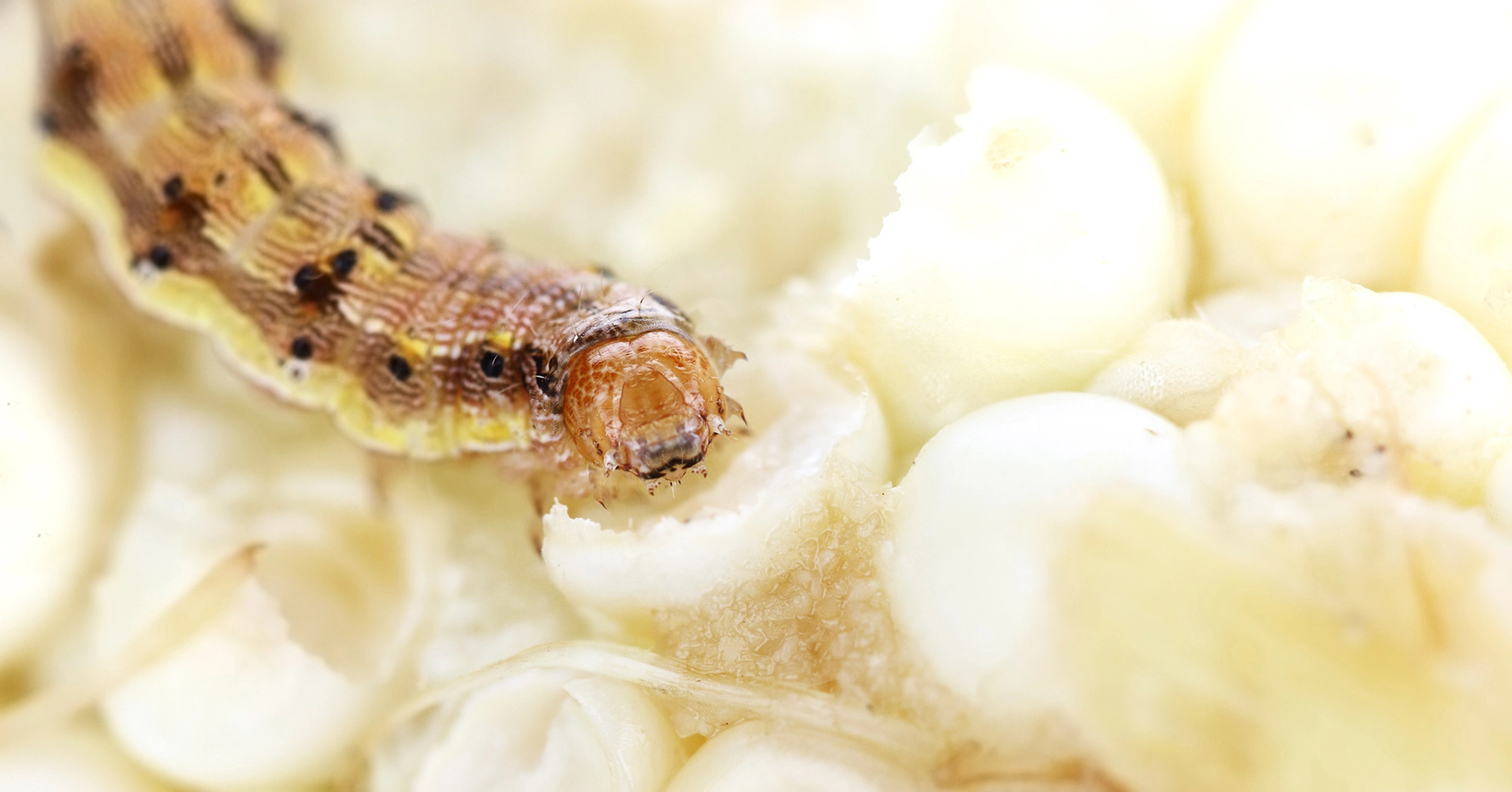
GM Bt corn is failing in the US and yields are no better than non-GM corn, according to a report in the US’s mainstream agricultural press written by North Carolina State University professor and extension specialist, Dominic Reisig. Prof Reisig says that the corn earworm pest has become resistant to the Bt insecticidal (“Cry”) toxins in GM Bt corn. GM Bt corn was engineered to kill the pest, but, Prof Reisig says, “We have documented corn earworm resistance to all hybrids with Cry toxins since 2016 – eight years now. During that year, we observed unexpected injury to Bt corn and recommended growers spray Bt cotton“ with chemical insecticides, because many of the Bt-resistant earworms coming off the Bt corn will present a problem for Bt cotton later in the season. Prof Reisig adds that corn varieties containing VIP toxins, another form of genetically engineered insecticide, are still effective against the pest – though GMWatch points out that a paper published in 2021 documented signs of resistance in the pest to these toxins too. It’s only a matter of time before this resistance becomes widespread and GM Bt corn becomes completely redundant.
USDA Office of Inspector General must investigate SUNY GM American chestnut debacle
The Global Justice Ecology Project (GJEP) has asked the US Department of Agriculture (USDA) Office of Inspector General to investigate a potential lack of transparency by the New York College of Environmental Science and Forestry (SUNY ESF), regarding fundamental errors in its attempt to produce a GM American chestnut tree, the Darling 58.
HEALTH RISKS
Australia and New Zealand: Babies at risk from undisclosed GM proteins in infant formula
Undisclosed genetically engineered ingredients are being added to baby formula and Food Standards Australia New Zealand (FSANZ) does not require them to be labelled, report GE Free New Zealand and the Safe Food Campaign. “We believe parents have the right to know the full ingredient details, especially if they are genetically engineered,” said Alison White, co-convenor of the Safe Food Campaign, which is calling for labelling. FSANZ approved another GM ingredient in June 2024 for addition to baby formula, follow-on formula and formulated supplementary foods for young children. The approved GM protein is produced by microbial fermentation using GM bacteria. In a rat feeding study, animals fed the GM protein showed significant changes to blood parameters, limb weakness with diarrhoea, weight loss and reduced brain weight. However, in the EU, food safety authority EFSA still gave a positive opinion for its use.
INDIA
India: Commercial sale of GM mustard will have to wait as Supreme Court gives split verdict
The uncertainty over the commercial sale of GM mustard in India is likely to continue, with the Supreme Court delivering a split verdict on 23 July. While Justice B. V. Nagarathna quashed the approval given to GM mustard by the Genetic Engineering Appraisal Committee (GEAC), Justice Sanjay Karol upheld the panel’s decision to allow the crop to be sold commercially. With the two judges giving divergent views, the matter will now be placed before Chief Justice D. Y. Chandrachud, who will then allot it to a larger bench. The court order came on a set of public interest litigations (PILs) challenging the Centre’s nod to the commercial cultivation and release of GM mustard. Justice Nagarathna faulted the GEAC for clearing the project without relying on any indigenous studies on the crop’s effect in India and its possible environmental ramifications.
GM crops undesirable for India say farmer leaders, demand comprehensive discussion in national policy
Also on 23 July (see above), the Supreme Court of India ordered the Ministry of Environment, Forest and Climate Change to develop a national policy on GM crops within four months through public consultation involving all stakeholders and “representatives of farmers”. In August, farmer union leaders and members from 18 states, as well as activists advocating farmers’ rights, held a meeting and passed a resolution against GM crops, stating, “GM organisms (and their products) are unnecessary, unsafe, and unwanted in India’s food and agriculture systems. Farmers in India want sovereign, nature-conserving farming. Modern biotechnology is an expensive and unsafe means to take over and control our agricultural systems with false promises which we cannot and will not allow.” Organisations advocating farmer rights have been demanding that they are consulted as stakeholders in formulating a national policy for GM crops since the Supreme Court’s 23 July order.
India: Farmers’ leaders “unanimous” in rejecting GM crops, says ag expert
At the farmers’ meeting (see above), farmers’ leader Kapil Shah said, “See how the Bt cotton crop has failed. They said GM seeds would do away the need to use insecticides and the crops would not be susceptible to mealybug, whitefly and pink bollworm attacks. In reality, the use of insecticides has increased manifold as insect attacks are common, so much so that it has made cotton cultivation economically unviable.” Farmers’ leader Rakesh Tikait said domestic animals avoid going to Bt cotton fields. He advocated organic farming. Agriculture expert Devinder Sharma said farmers’ leaders from across the country were unanimous in their opinion that GM crops would not be allowed.
AFRICA
Nigeria's government agencies disagree over GMO safety
In Nigeria, two government agencies – the National Agency for Food and Drug Administration Control, NAFDAC, and the National Biotechnology Management Agency (NBMA) – have openly disagreed over the usefulness or otherwise of agricultural GMOs. Prof Moji Adeyeye, director general of NAFDAC, criticised GMOs, saying there were concerns over their suitability in Nigeria. She also raised doubts over whether rigorous scientific and laboratory tests had been undertaken to ascertain safety risks and implications for human health. However, the director general of the NBMA, Dr Agnes Asagbra, wrote in a letter that the comments of the NAFDAC boss undermined the mandate and functions of the NBMA. See also this.
Nigeria: Doubts about GMOs are credible because biosafety agency lacks capacity - professor
Prof Zacharys Anger Gundu, vice-chancellor of the University of Mkar, said Nigeria’s National Biosafety Management Agency cannot regulate GMOs because it lacks technical and scientific capacity – and because of this, the doubts against GMOs by stakeholders are credible. Gundu also said that GMO science is driven by greed and profit, adding that Nigerian and African food security must be predicated on the “small farmer” model, using local plant and animal species.
“We must critically consider the underlying causes of food insecurity in Nigeria" – HOMEF director
At a conference organised by environmental group HOMEF, its director Nnimmo Bassey said, “Genetic engineering technologies have further aided the concentration of power in the agricultural sector by allowing the companies to design suites of seeds and accompanying chemicals... Will GMOs solve bad governance, insecurity, climate change, poor extension service, lack of storage/processing infrastructure, soil degradation, poverty, inequalities, etc. that directly affect agricultural productivity? The obvious answer is no.”
GM cowpea clears first hurdle in Ghana, but there’s a long way to go
GM cowpea has cleared the first of three regulatory hurdles in the way of commercialisation in Ghana. If it is commercialised, it will be the first GM crop grown in the country. A number of factors will inform whether farmers choose to purchase and grow the seed, writes Joeva Rock, Assistant Professor in Development Studies at the University of Cambridge. An obvious but key factor is the seed’s performance. In field trials, GM cowpea suffered less damage from the Maruca pod-borer than non-GM cowpea. But there are a multitude of other diseases and pests that cowpea farmers in Ghana, and elsewhere in West Africa, must contend with. Moreover, GMWatch notes that this GM cowpea contains Bt insecticidal toxins. Targeted pests have evolved resistance to these toxins after a few years of deployment of the GM crops expressing them. See, for example, this.
Don’t rely on GMO seeds as solution to food security – Ghana’s farmer unions
Two farmer unions have called on the government to solve challenges in Ghana’s agricultural sector, rather than relying on GMO seeds as a solution. According to the Peasant Farmers Association Ghana (PFAG) and the Centre for Climate Change and Food Security (CCCFS), the introduction of GMOs in the country would not resolve food security issues. They pointed out that many farmers already produce a significant quantity of food, but face challenges such as lack of ready markets, inadequate storage systems, and poor road infrastructure. The groups were reacting to the approval of GM cowpea.
Ghana: Stakeholders advocate urgent policy to preserve indigenous seeds
Stakeholders in Ghana’s food chain have advocated urgent formulation of a national policy to preserve indigenous seeds, instead of promoting hybrid ones and GMOs. They recommended such a policy should target all food crops, including neglected local and indigenous crop varieties, known to be more adaptable to local conditions, which have high nutritional value.
SEED FREEDOM
Seed wars: How UK trade deals threaten Global South farmers
Since the 1960s, when development programmes started pushing high-yielding crops into developing countries, seed laws have proliferated, granting property rights over seed varieties, usually to governments and corporations. Over time, this system has deemed only commercially developed seeds as legitimate, replacing indigenous varieties and forcing farmers to purchase seeds instead of relying on their own. The evolution of international trade has made it increasingly challenging for countries to avoid ratifying stringent seed laws, as these regulations have become a component of commercial treaties. An investigation found that the UK has been leveraging trade agreements to enforce strict seed patenting in at least 68 countries in the Global South. According to the report, the UK has signed or ratified 19 trade deals that require or encourage signatory countries to comply with UPOV91, the Convention promoting intellectual property rights on plant varieties. While these are intergovernmental deals, they benefit corporations selling commercial seeds.
The punitive Kenyan seed law: The facts (video)
According to agroecologist Nasike Claire Akello, there’s been a lot of misinformation about the punitive Kenyan seed law that bans farmers from sharing or selling uncertified seeds. She explains the facts.
Kenya: Farmers reject plan to privatise country’s sole supplier of seeds
Kenyan farmers are opposing the privatisation of the Kenya Seed Company. The farmers fear the proposed move would compromise their access to seeds, the country’s seed sovereignty and food security. The group has vowed to reject the privatisation bid. They fear that farmers might not access quality seeds once the company is privatised because the new owners would focus on profit making, hence increasing prices.
Can you invent soybeans? Patents threaten access to seeds
According to European law, patents can only be granted on genetic engineering in plant breeding. Despite this, major seed companies have exploited legal loopholes and already obtained 200 patents on traditional breeding, writes Johanna Eckhardt of No Patents on Seeds! Breeders need access to genetic material to address challenges such as pests, diseases and climate change. The current European patent system hinders their work, leading many to avoid certain traits for fear of violating large companies’ patents and risking patent infringements.
GM HUMANS
MIT Technology Review gives platform to Chinese scientist who genetically modified children
Chinese scientist Jiankui He, who genetically modified children using CRISPR, was a speaker at Roundtables organised by MIT Technology Review. Biologist Stuart Newman wasn’t impressed, commenting that the Review is “Normalizing human genetic engineering by giving a platform to someone who took a potshot at prenatally modifying three children.”
ALTERNATIVES TO GM
Non-GMO potato cyst nematode-resistant potatoes developed in the UK
Researchers at the James Hutton Institute in the UK have developed potato cyst nematode-resistant potatoes using marker assisted selection, a biotechnology that doesn’t result in a GMO. According to the Institute, potato cyst nematodes (PCN) cause damage valued at over £50 million in the UK each year. On a worldwide basis plant parasitic nematodes are thought to cause damage valued at over 100 billion US dollars each year. (There’s a podcast here. Coverage starts at 08:25 mins.)
You can find this example and more in our popular database of non-GMO successes. You’ll be amazed at all the non-GMO breakthroughs solving precisely the kind of problems (drought-resistance, salt-resistance, biofortification, etc.) that GM proponents claim only genetic modification can provide the answer to, even though it almost invariably fails to deliver.
New anthocyanin-rich (non-GMO) red beers are healthier than normal pints, says Carlsberg
A crimson beer made from red barley has been created that is healthier and tastier than normal pints, according to brewers. Scientists at beer giant Carlsberg have created “crossover” beers that are imbued with the colourful chemicals found in wines that have been linked to a host of health benefits. The experimental lager is less bitter and contains fewer hops than normal beer thanks to the addition of anthocyanins, chemicals in grape skins that make wine red. These compounds are naturally occurring and red barley has been bred to contain a high concentration of the chemicals, which have been shown to boost memory as well as reduce the risk of cancer, inflammation and diabetes. Red barley is not made by gene editing or other GM techniques but with the biotechnology known as marker assisted selection. GMWatch notes that while non-GMO, referring to older style GM, has been a selling point for many years, “non-gene-edited” seems to be a newly emerging selling point!
Agroecology lays the foundation for food sovereignty and improvement of people’s health – professor
Agroecological farms conserve biodiversity, restore soil fertility and maintain crop yields under conditions of environmental and climatic stress. Most outperform industrial agriculture in terms of total production, resilience, energy efficiency, biodiversity conservation, and water use. More importantly, they lay the foundation for food sovereignty, diversification of diets, and improvement of health, says Miguel Altieri, professor at the University of California, Berkeley, general coordinator of the United Nations Sustainable Agriculture Program, and a scientific advisor to the Latin American Consortium on Agroecology and Development. Altieri adds, “The global food system has failed the resilience test and is not up to the task of feeding the world in the face of the global environmental crisis. Industrial agriculture poses a major threat to our planet’s health, contributing to climate change, biodiversity loss, and food insecurity. Continuing with the current agricultural paradigm is not an option.”
Increase of Eurasian goshawk in Britain could regulate numbers of non-native grey squirrel
There's no need for GMO gene drives to control non-native grey squirrels in Britain. As well as goshawks, research shows the increase and spread of pine martens in Britain is linked to rises in red squirrel numbers.
..................................................................
We hope you’ve found this newsletter useful. Please support our work with a one-off or regular donation. Thank you!
- Details
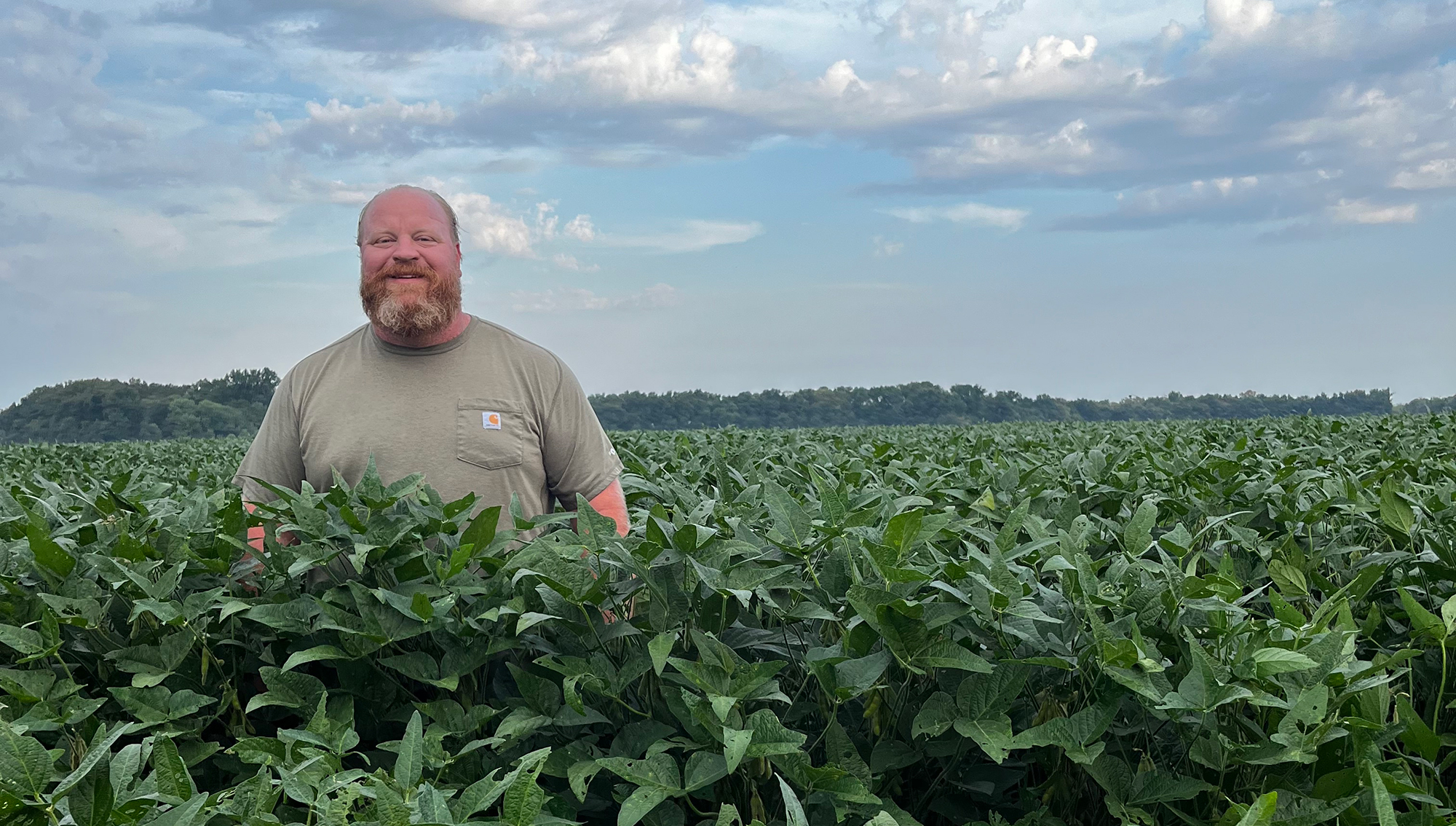 Adam Chappell can’t grow non-GMO soybeans because they’re being damaged by dicamba herbicide, forcing him to plant dicamba-tolerant GMO soybeans to protect his farm
- Details
Cutting the crap on gene technology

Three articles published over recent weeks and months demolish the EU Commission's and New Zealand government's proposals for deregulating new GMOs made with techniques such as gene editing. They show why the proposals, which would remove safety checks and labelling from a new generation of GMOs, turn their back on scientific knowledge as well as democratic principles. For example, in an excellent and fully referenced article aptly titled "Let's cut the crap on gene technology", molecular biologist Prof Jack Heinemann, himself a genetic engineer who makes extensive use of gene editing, says society should be asking itself why it needs to trade the security of its GMO regulations for unsecured promises from the speculative visions of genetic engineers. Prof Heinemann takes apart four myths that the advocates for deregulation promote to justify their aims and accuses them of "gaslighting the public".
Podcast: Why GMO deregulation is not the way forward – Prof Michael Antoniou
In a podcast interview, molecular geneticist Prof Michael Antoniou talks about GMO myths and truths and why deregulation is not the way forward.
European food businesses call for rigorous labelling of new GMOs
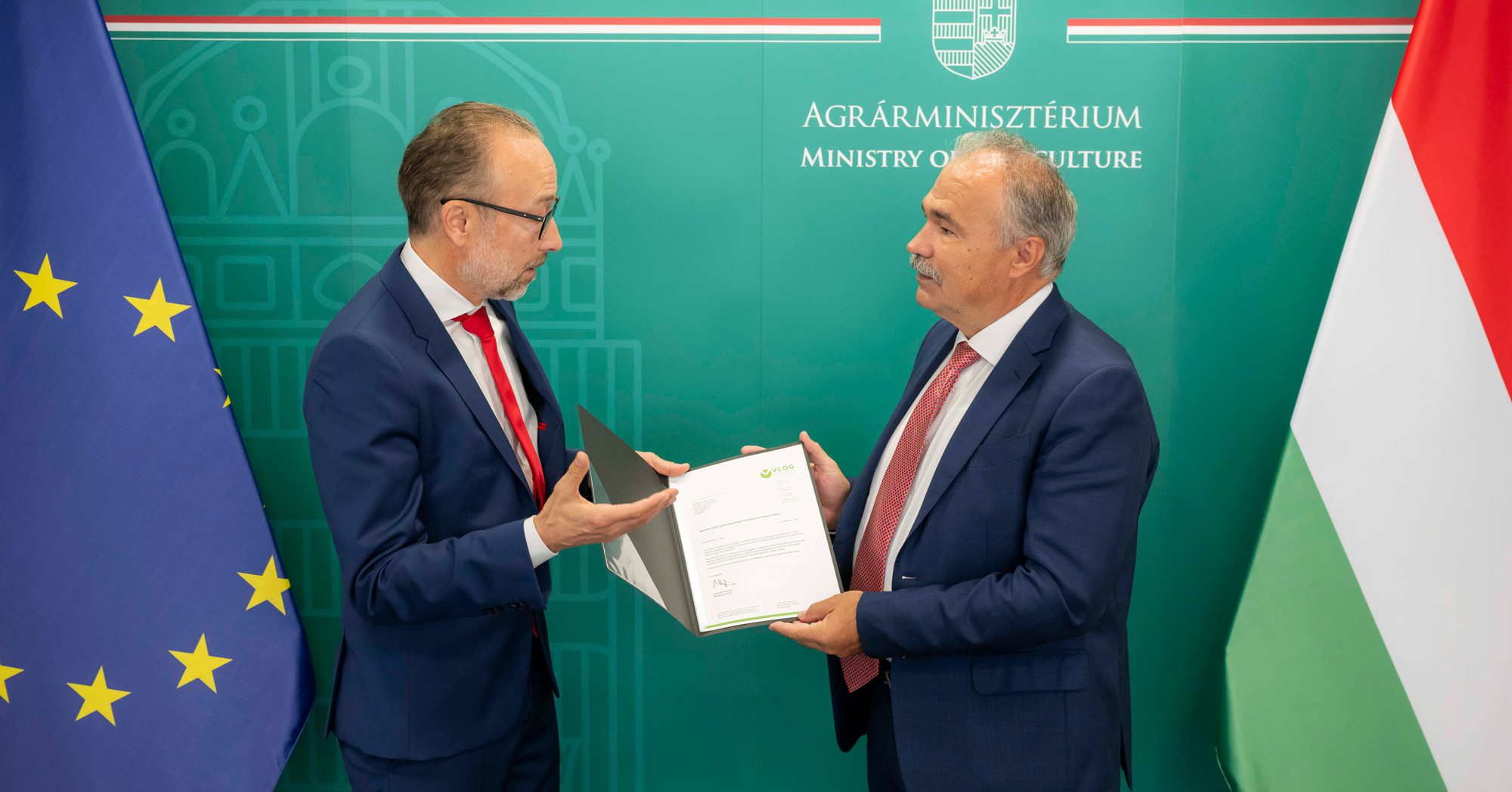
Dr István Nagy, current EU Council President for Agriculture and Fisheries, met with representatives of a business initiative to submit an open letter to EU Member State ministers. The initiative, "Food Industry for Freedom of Choice", calls for rigorous labelling of new GMOs. A total of 376 businesses from the food industry in 16 EU Member States have signed the letter. Among them are renowned industry giants as the REWE Group, the third largest food retailer in the EU; the leading retailer in Austria, SPAR Austria; Europe's largest drugstore chain dm-drogerie markt; and the world's largest organic supermarket chain Biocoop. Across Europe, companies see their entrepreneurial freedom threatened by the EU Commission's plans to deregulate so-called new genomic techniques (NGTs) or new GM techniques. They are therefore appealing to the EU Agriculture Council to stand up for transparency, freedom of choice, and fair competitive conditions along the entire value chain. See also Feed Navigator's coverage of this story.
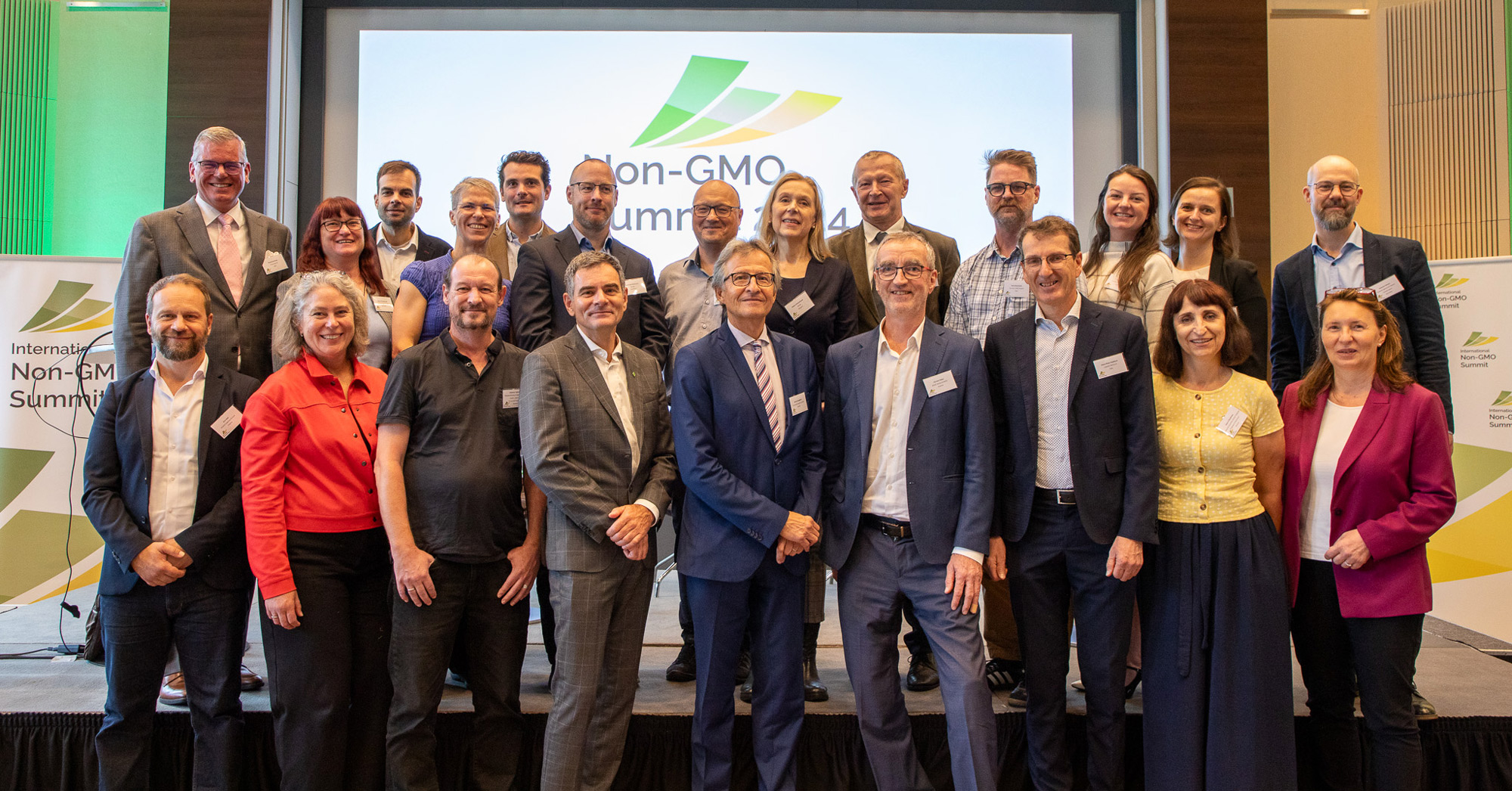
International conference on the future of the Non-GMO industry
The most important European industry associations of the "Non-GMO" sector will be hosting the "International Non-GMO Summit 2024" in Frankfurt am Main in Germany on 8 October 2024. International experts from politics, business and science will provide information on current important topics and trends in the Non-GMO markets worldwide. The focus will be on the ongoing debate surrounding new genetic engineering and its potential impact on the Non-GMO and organic sectors. The Non-GMO sector sees the basis of its existence threatened by the EU Commission's proposed abolition of labelling, traceability and transparency for most plants produced using new genetic engineering. For a credible Non-GMO label, all parties along the value chain, as well as consumers, must know which products have been made with genetic engineering. The draft presented by the EU Commission in July 2023 for the deregulation of products from new genetic engineering (NGT) techniques not only jeopardises the successful Non-GMO and organic sectors across Europe, but also freedom of choice for European farmers, processors and consumers. Surveys confirm that the absence of GMOs is at the top of consumers' list of expectations for quality products.
Hungarian Presidency minister to open annual Non-GMO summit
István Nagy, Hungary's minister of agriculture and current chair of the EU’s Agriculture and Fisheries Council, will deliver the opening remarks at the international Non-GMO summit (see above).
New evidence shows unintended changes from gene editing are different from random mutations
A new study shows that the use of CRISPR/Cas "gene scissors" causes unintended genetic changes that are different from random mutations. Major structural changes in chromosomes occur much more frequently in the genomic regions targeted by the "gene scissors" than would otherwise be the case. These results also have implications for the risk assessment of plants obtained from new genetic engineering techniques (NGTs). According to the EU Commission and the European Food Safety Authority, unintentional genetic changes resulting from the use of CRISPR/Cas are no different from random mutations. However, the new method of data evaluation used in this study shows that this assumption is wrong.
GMO company Cibus investigated for deceiving investors – GMWatch research cited
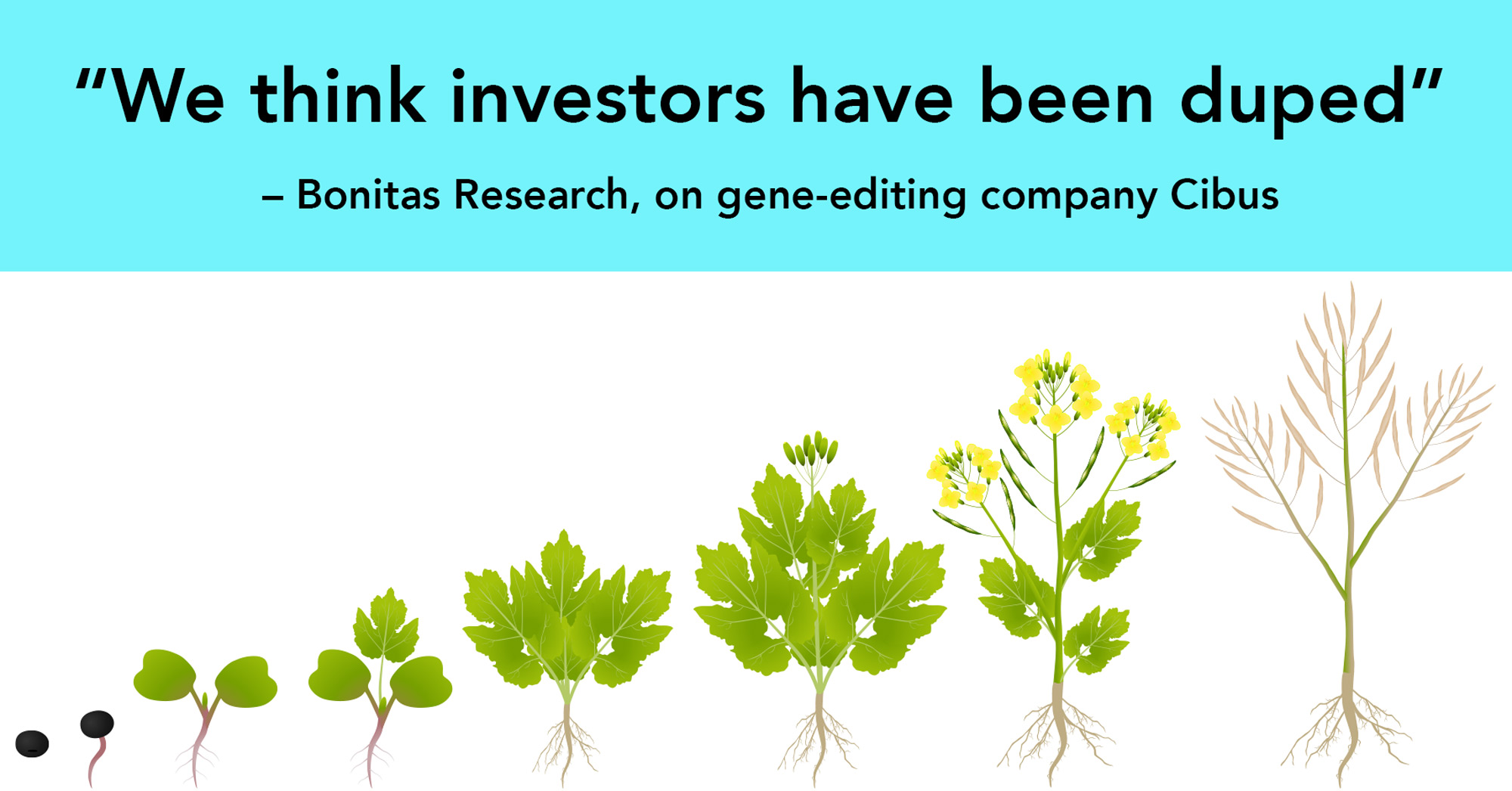
The pioneering gene-editing firm Cibus Inc., which only a few months ago made it onto a prestigious list of the "World’s Most Innovative Companies of 2024", is now under investigation by US law firms for deceiving investors. This follows a research report for investors that argued they had been duped by company claims for its "over-hyped" gene-editing technology. Up till now, Cibus and the other US firm that it merged with in 2023 – Calyxt Inc. – have been the two companies most often cited by GMO promoters needing concrete examples of the breakthroughs gene editing can supposedly deliver. But this narrative was thrown into serious doubt when a company called Bonitas Research issued a report stating that it "found no evidence that Cibus’ gene-editing technology brings desirable new crops to market". What Bonitas did report finding evidence of was “farmer complaints of lower crop yields and lost revenues, along with multiple examples of large seed manufacturers and distributors walking away from joint ventures and partnerships with Cibus for a variety of seed types and seed traits”. Bonitas cited GMWatch research in its report.
American biotech lobbyist drives GMO deregulation discussions in UK, EU

An American biotech lobbyist in academic clothing is driving GMO deregulation discussions in the UK and the EU. For around 25 years Jack Bobo has crisscrossed the globe working to influence governments, shape legislation and treaties, and sway audiences and media coverage on the GMO issue. He is now driving discussions on deregulating new GMOs in the UK and the EU. He was named by Scientific American as one of the 100 most influential people in biotech. And that didn't just stem from his gifts of advocacy and persuasion, but his powerful backers, including biotech corporations and a global superpower aggressively promoting GMOs as a key strategic asset. Now the University of Nottingham has made this GMO lobbyist Director of its Food Systems Institute and its “Future Proteins Hub”.
Scientists sound the alarm over outdoor gene editing pesticides
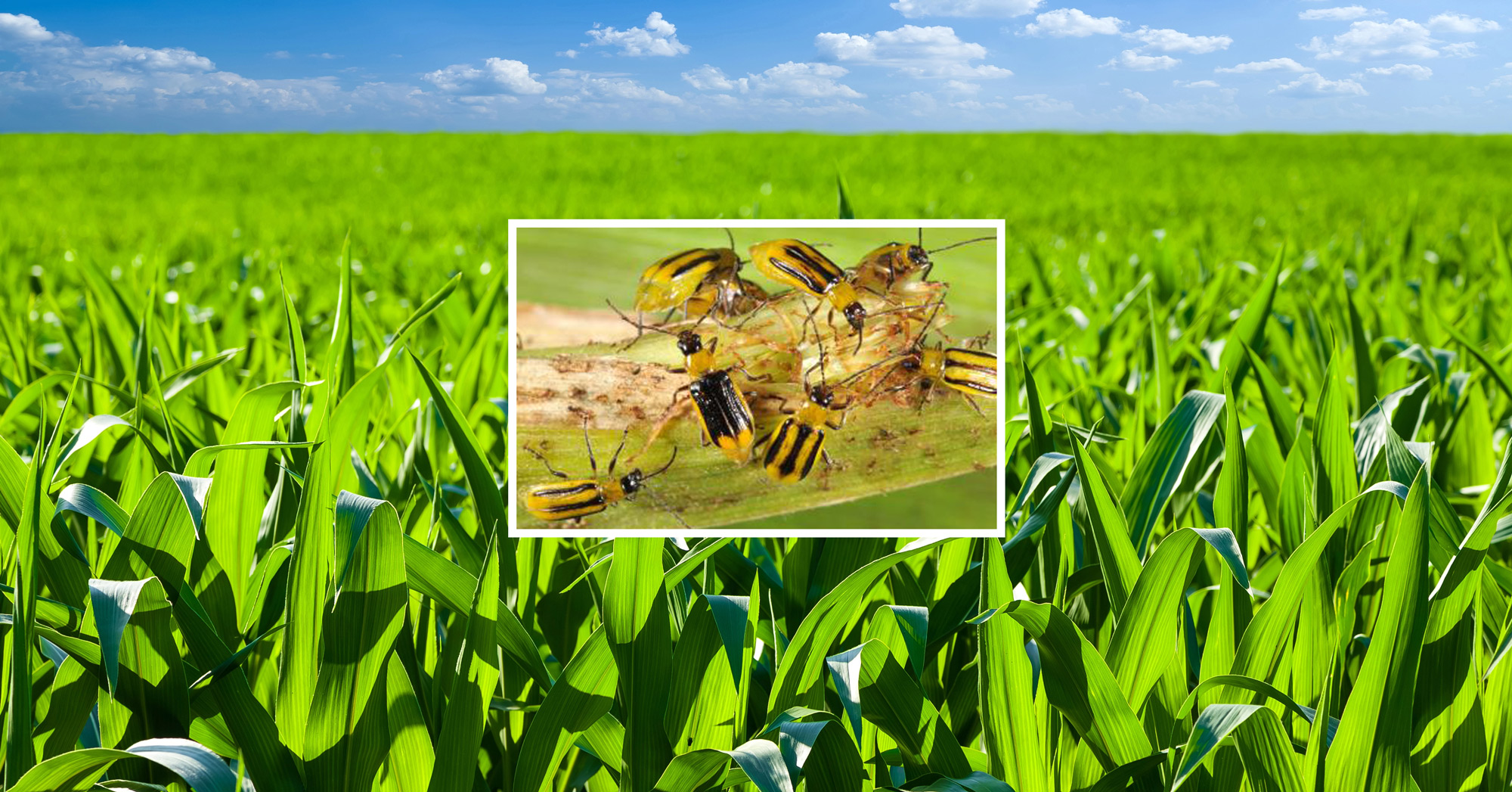
We're used to gene editing being something that's done in controlled and contained conditions in the lab, with just the final product being unleashed in the environment. But coming down the pipeline are pesticides designed to "edit" the genes of organisms out of doors, in the uncontrolled conditions of the open environment. These outdoor-use genetic pesticides are claimed to be more environmentally friendly than chemical pesticides. The problem is that these genetic pesticides could also "edit" the genes of non-target organisms, and so people, animals, and insects in the environment could become collateral damage. And the deregulation of gene editing that is being aggressively promoted around the globe means that these products could be used in open fields with no prior risk assessment, traceability, or monitoring. Sounding the alarm about this "Wild West" scenario is a new study, which finds that exposure to a CRISPR/Cas gene-editing pesticide could unintentionally alter the genes of a wide assortment of non-target organisms, with potentially serious or even fatal consequences. And leading the list of potential victims of unintended gene editing are humans.
EFSA is wrong: New GM plants can't be assumed to be as safe as conventional plants
In July the European Food Safety Authority (EFSA) published its opinion on the French health agency ANSES's evidenced-based position of December 2023, which criticised Annex I of the European Commission's proposal on the deregulation of plants obtained from new GM techniques (new genomic techniques, NGTs). According to Annex I, "category 1" new GM plants (NGT1) can be treated as equivalent to conventionally bred plants – and not be subjected to the risk assessment, traceability or labelling requirements applied for the past decades to other GM plants – based on a few simplistic criteria, such as the number and size of the intended genetic modifications. In a move that came as no surprise, EFSA agreed with the Commission, concluding that new GMOs can be considered equivalent to conventional plants if they correspond to the Annex I criteria. However, this opinion disregards important scientific evidence and seems to be designed to deliver a politically and economically convenient result to suit the interests of the agricultural biotechnology lobby, rather than to protect public health and the environment, write Claire Robinson and Prof Michael Antoniou in a detailed analysis. See also an analysis by Pollinis.
New GMO deregulation file has long been blocked in the Council of the EU; now Hungary puts on the brakes
Euractiv notes that while the European Parliament reached its position on the deregulation of gene-edited plants in February, the file became stuck at the Council of the EU in December. Now the Hungarian Council Presidency is putting the brakes on the file, cancelling a planned meeting in September where national representatives were set to discuss the proposed deregulation. According to ENDS, the cancelled meeting comes after a tumultuous discussion in July, where the Hungarian presidency tabled a "non-paper" (unofficial document) pausing talks on a compromise while reopening questions that were claimed to be settled by the previous presidency.
Hungary raises sensible questions on new GMOs in the Council
GMWatch does not consider that Hungary's questions (see above) – about the criteria for defining category 1 genetically modified plants, the scope of the regulation, and the risk assessment process – are "settled". They have merely been brushed aside by pro-deregulation countries and rapporteurs. Several other countries shared Hungary's concerns.
Committee agrees to extend Swiss moratorium on GMOs until end of 2027
Switzerland's Committee for Science, Education and Culture of the National Council (WBK-N) has agreed to extend the cultivation moratorium on genetically modified plants until 2027 - including those made with new genetic engineering techniques. The next step is for the proposal to be submitted to the National Council and Council of States. The NGO SAG (Swiss Alliance for a GMO-Free Agriculture) welcomed WBK-N's decision, but cautioned: "This may just be a way of waiting for the results of the currently blocked legislative processes [on deregulation of new GMOs] in the EU. Now is not the time to relax - industry's lobbying [for deregulation] is continuing at full throttle in the background." SAG advises Swiss citizens to sign the food protection initiative to help keep Swiss food GMO-free.
New (and dangerous) definition proposed for GM foods in Australia/New Zealand
Foods that do not contain novel DNA will not be considered GM, even though they have been made using new GM techniques, according to new proposals from Food Standards Australia New Zealand (FSANZ). The public consultation period on the proposals has now ended. GMWatch comments that this approach, focusing only on the intended product, ignores potentially harmful unintended changes brought about by the genetic engineering processes used, as well as the unintended effects of the intended changes. The approach therefore poses serious risks to health and the environment.
Podcast: Australia/New Zealand regulator proposes to declare a vast range of GM foods non-GMO
We recommend an excellent podcast discussion of new GM deregulation issues from Physicians and Scientists for Global Responsibility New Zealand. You can hear it here or on Spotify, where we found the audio quality a little better.
New Zealand: Soil & Health against redefining gene tech in food standards
Joining the call for caution when it comes to gene technology, the Soil & Health Association of New Zealand has officially submitted its response to Food Standards Australia New Zealand, rejecting Proposal P1055. Farmers Weekly New Zealand says the proposal seeks to change the definition of genetic engineering technologies used in food production, to accommodate new technologies and regulate foods according to the risk they pose – but GMWatch comments that the proposal would weaken the risk assessment based on evidence-free assumptions about safety. The association also urges Food Standards Australia New Zealand (FSANZ) to extend the consultation period by at least a month to allow for sufficient time to make submissions. “Redefining gene technology to exclude new breeding techniques (like gene editing) without proper labels and safety checks threatens our ability to choose what we eat. We stand for transparency and informed choices in food consumption, not ambiguity,” Charles Hyland, soil scientist and co-chair of the Soil & Health Association, said.
UK: The Genetic Technology Act – does change begin right now?
In July, the UK's general election gave a rare window of opportunity to put the issue of genetically engineered food in the UK food system in front of would-be MPs and demand that they take action. Before the election was called, the government was in the process of introducing new regulations to the Genetic Technology (Precision Breeding) Act that would make it fully operational. That process was put on hold for the election. The question now is whether the new Labour government will pick up where the Tories left off or will it pause, review and rethink – as it indicated it would do when in opposition. Beyond GM reports.
UK: First GM gene-edited wheat harvested from trials
Gene-edited wheat and barley varieties are expected to be grown on commercial farms in England as early as 2026, according to Farmers Weekly. The article says, "This comes after trial plots of one wheat variety were successfully harvested at the John Innes Centre near Norwich. And two further cereal varieties being grown in glasshouses at Rothamsted Research are due to be harvested this autumn. Seed from all three will be multiplied up during 2025 and grown on commercial farms alongside control plots in further trials in 2026 to establish their potential." GMWatch comments that if things go according to plan, the UK wheat supply will be in danger of being contaminated with GMOs that have not been tested or assessed for safety. The three cereal varieties are low asparagine wheat, another wheat claimed to have bigger grains, and a barley aimed at lowering livestock methane emissions (something that can be accomplished in cattle by feeding algae supplements).
Resources on new GM
GMWatch has compiled a list of resources on new GM techniques, such as gene editing, and why it's a bad idea to deregulate them.
..................................................................
We hope you’ve found this newsletter useful. Please support our work with a one-off or regular donation. Thank you!
- Details
 Researchers develop methods to detect previously known mutations in gene-edited plants and make steps towards distinguishing gene-edited plants from conventional ones with the same mutation
- Details
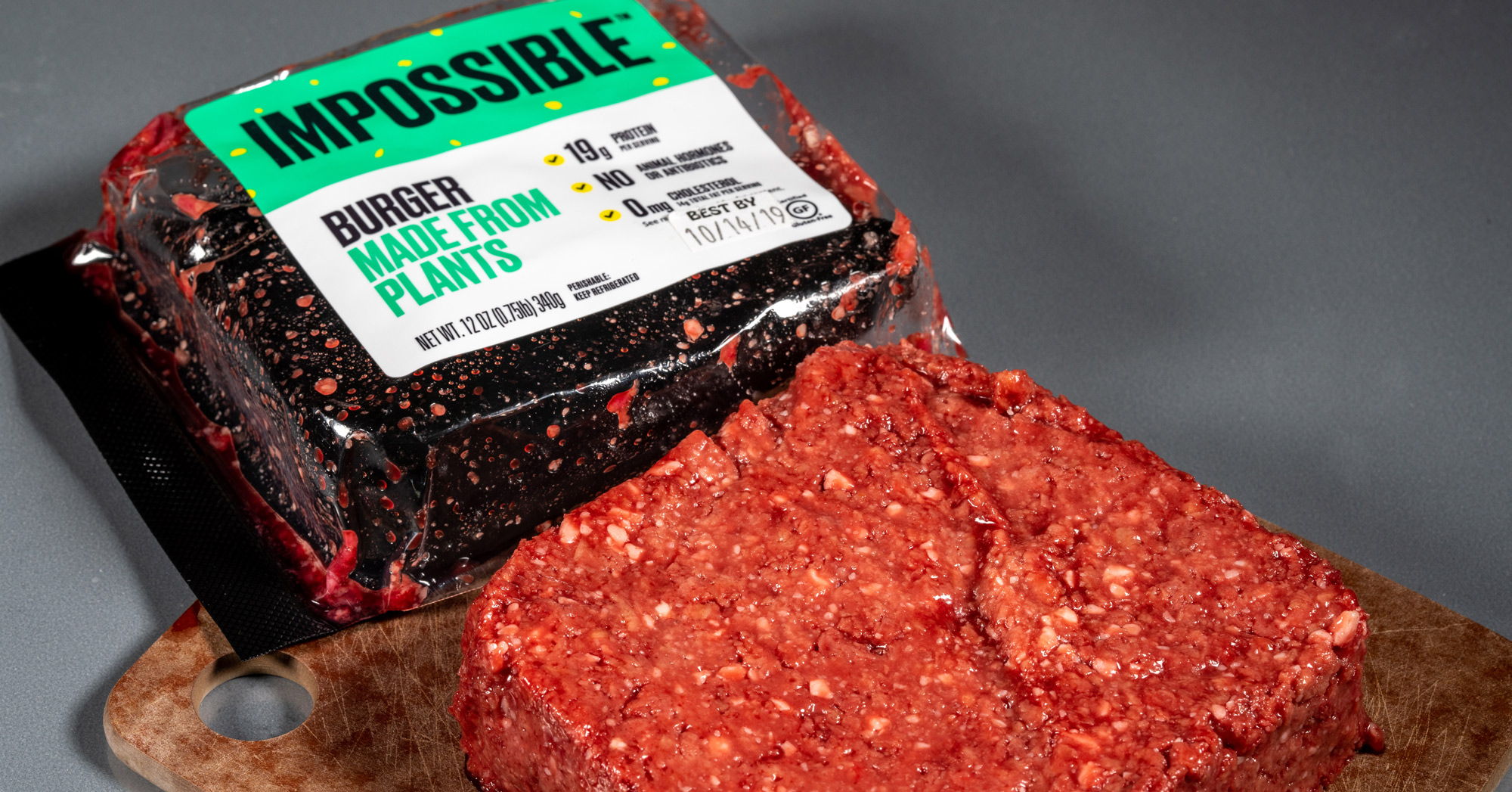
March of corporate monopoly sees high profile fake meat firm bite the dust. Report: Jonathan Matthews
- Details

No one knows if GM HB4 wheat is safe to eat but USDA says it’s OK to grow and in Argentina they’re already eating it
- Details
Experts linked to industry dominate the new GMO panel
- Details
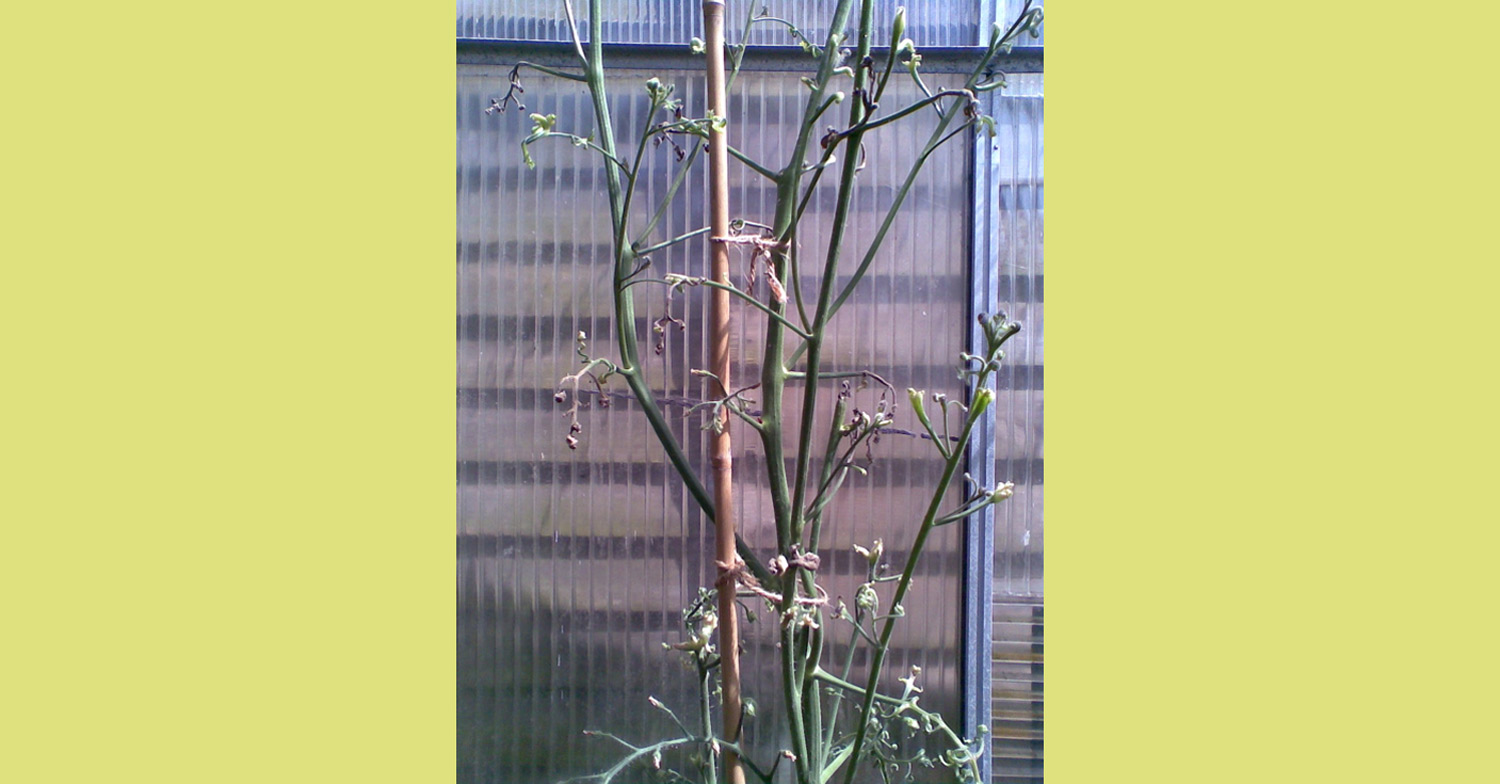
Even if you grow organic, your crops are at risk from contaminated animal manure. By Claire Robinson
- Details
Three articles challenge proposals to remove safety checks and labelling from new GMOs. Report: Claire Robinson
- Details

Hungary's Agriculture Minister Dr István Nagy accepts food industry open letter
- Details
Agency ignores and deceptively misrepresents scientific evidence. Report by Claire Robinson and Prof Michael Antoniou
- Details
This LobbyWatch Review shines a spotlight on a lobbyist who for nearly a quarter of a century has crisscrossed the globe working assiduously to influence governments, shape national legislation and international treaties, and sway audiences and media coverage on the GMO issue.
Curiously, despite a remarkable level of access and influence, facilitated by extremely powerful backers, his activities have largely escaped critical scrutiny. Unlike, say, Kevin Folta, his collusion with industry has not been splashed across the front page of the New York Times. Nor, unlike CS Prakash, has he featured in dirty tricks exposés in the Guardian. Yet the scale of his involvement with industry and in behind the scenes chicanery makes Folta and Prakash’s hidden interests and dodgy antics look like something out of kindergarten.
In an effort to put right this lack of scrutiny, here is the abridged version of our longer and more detailed profile of this veteran American lobbyist now based in Europe. The longer version that we’ve just published also includes multiple links to sources.
If you find this Review useful, please share it with friends and colleagues, or suggest they subscribe to one or more of our newsletters.
American biotech lobbyist drives GMO deregulation discussions in UK, EU
Suddenly Jack Bobo is everywhere, with a position at the University of Nottingham apparently created for him. By Jonathan Matthews and Claire Robinson.
A UK-based academic “has been named as the world’s leading expert on science communication”, according to the recent headline of an article that claims, “Professor Jack Bobo, Director of the Food Systems Institute at the University of Nottingham in the United Kingdom… has been recognized globally for his innovative work in science communication. Due to his prestige, it was recently announced that the World Food Prize Foundation in Iowa, United States will award him the Borlaug CAST Communication Award in October.”
What the article doesn’t say is that “the world’s leading expert on science communication” has also been dubbed “Mr GMOs” and has spent almost his entire career promoting the interests of the biotech industry. Nor does it say that the organisation (CAST) giving him that communication award has BASF, Bayer, Corteva, Syngenta and their agrochemical industry lobby CropLife America among its “sustaining members”, “grantors” and “event sponsors”. The article also fails to mention that previous recipients of the same award have included such controversial industry-linked GMO promoters as Kevin Folta, CS Prakash, Sarah Evanega, and Alison Van Eenennaam.
Similarly, Jack Bobo’s billings as a speaker at the many UK and EU events he has been popping up at since taking up his position at Nottingham rarely give any real sense of the man, his mission, or who Bobo has really served for the last quarter century.
Washington’s corridors of power
So who is Jack Bobo? In 2002, following a two year stint providing “legal analysis and research on a wide variety of issues related to the biotechnology and agriculture industries” for an international law firm advising multinational corporations, Jack Bobo took on the role that would make his name as one of the world’s leading GMO spin doctors.
As he told the US Congress in 2021: “I served for 12 years as the senior advisor for global biotechnology at the US Department of State... During that time, I traveled to approximately 50 countries meeting with ministers, parliaments, executives, scientists and students to discuss biotechnology policy and regulations. I also participated in and/or led numerous biotech trade negotiations. In 2015 I was recognized by Scientific American as one of the one hundred most influential people in biotechnology.”
Bobo’s notable degree of influence stemmed not just from his own gifts of advocacy and persuasion but from his position as a senior official of a global superpower aggressively promoting biotechnology as a key US strategic interest.
Promoting the biotech industry’s agenda worldwide
An insight into just how high the promotion of GMO crops is on the US foreign policy agenda was provided by the publication – during Bobo’s time directing biotechnology trade policy there – of a trove of State Department cables, obtained by WikiLeaks. What emerges from the cables overall, to quote the food and farming researcher and writer Tom Philpott, is that “the US State Department has been essentially acting as a de facto global-marketing arm of the ag-biotech industry,” with its officials literally being instructed to “encourage the development and commercialization of ag-biotech products” worldwide.
The leaked cables also talk of the State Department deploying “a host of other USG [US Government] agencies, international organizations, NGOs and industry” to promote acceptance of GMOs. The same cable makes clear that while the State Department has a whole section of staff “available as appropriate to advocate in host capitals, troubleshoot problematic legislation, and participate as public speakers on ag-biotech”, the GMO lobbying show had only one star: “In particular, this is the key role of the State Department’s Senior Advisor for Biotechnology, Jack Bobo.”
According to a multi-award-winning French documentary, Bobo’s leading role in this global campaign led some to dub him “Mr GMOs”. And for Bobo and the US government, the film says, GMOs “are like weapons or oil – a power asset.”
Man on a mission
Only a few of Bobo’s own lobbying trips to “approximately 50 countries” feature in the cables leaked to Wikileaks, but they contain enough detail to show how closely he coordinated with industry and how they colluded to undermine local democratic opposition.
In Bucharest in 2009, for instance, Bobo was eager to help Romania’s “pro-biotech” government push GMO crops both nationally and within the EU. At one of Bobo’s meetings, we learn from a leaked cable, a senior Romanian official expressed his “frustration” that “government officials must advocate for agricultural biotechnology”. He thought “industry should better organize biotech supporters to ensure their voices lead public debate”, thus allowing the government to play the “mediator” and so win more public trust. Bobo then met with “industry representatives from Monsanto and Syngenta”, who “agreed that organizing a group of pro-biotech supporters would be beneficial and could help support Romania”.
The cables also expose even more direct US involvement in creating proxies in Romania. To up the ante on a previous government that was less “pro-biotech” than the one Bobo liaised with in 2009, the State Department helped set up a pressure group to aggressively campaign for GMO crops, as another leaked cable explains: “the Biotech Farmers Association (BFA), a local non-governmental organization (NGO) established last fall with the assistance of the [US] Embassy, is actively lobbying GOR [Government of Romania] officials in support of GM soybeans. When asked what they would do if the GOR does not approve GM soybeans for 2006, one farmer told EconOff [the US consulate’s Economics Office] that they would plant anyway and create a political and legal crisis.”
“A nasty piece of work”
Underhand tactics also impacted the work of the Codex Committee on Food Labelling (CCFL), where Bobo led the US effort to try and block the development of labelling guidelines for GMO food products. We gained some insight into this prolonged campaign of obstruction by Bobo’s team when we interviewed a US scientist and international expert who monitored CCFL’s work and had observer status at its meetings. He bluntly described Bobo to us as “a nasty piece of work” and gave us examples of the kind of arm twisting engaged in behind the scenes in the US effort to undermine support for the guidelines.
In his own case, for instance, the scientist was told he was “a traitor” for supporting GMO labelling. He said another observer with a good working knowledge of the local language of one of the African CCFL delegates had discovered in conversation that the US had threatened to cut off food aid to his country if he voted in favour of the labelling guidelines. It was also very noticeable, our source said, that the “postage stamp countries” (microstates) invariably lined up with the US when it came to voting, in a way that left little doubt that they had been leaned on. Thanks to such hardball tactics, it took nearly two decades before the CCFL finally managed to develop labelling guidelines that got approved.
Why were Bobo and his colleagues so determined to obstruct that process? As Codex is recognised as the standard-setting organisation for food labelling issues by the World Trade Organisation, approved Codex guidelines could inhibit the US’s ability to threaten countries wishing to introduce GMO labelling with a legal challenge at the WTO. And without being able to block or weaken labelling in this way, it would be harder for the US to force GMO foods onto unwilling consumers.
Spinning through the revolving door
In July 2015 Bobo moved directly from serving as spin doctor in chief in the State Department’s global marketing of “ag-biotech” to lobbying directly for a DC-based corporation trying to punt everything biotech, from GMO apples and GMO salmon to GMO mosquitoes, gene therapy and animal cloning.
A report in a German daily in 2016 captures Intrexon’s Chief Communications Officer in full evangelical mode: “Jack Bobo was on a mission when he entered the windowless meeting room in Washington. The message he delivered this spring was a simple one: only genetic engineering can heal the rift between agriculture and the environment. But this could only happen if people first began to accept genetic engineering. He believes that ‘the [GMO Arctic] apple is the product that may be able to sway consumers’. Bobo, however, is required to voice such opinions since he is a lobbyist for the US genetic engineering company Intrexon.”
Three years later, Bobo was still singing from the same hymn sheet, as a leading Canadian farm publication reported: “Jack Bobo doesn’t hold back when talking about the Arctic Apple. He believes the non-browning apple could change how people think and talk about genetically modified food. ‘I like to say it’s the most important GMO in the history of the world.’”
Industry advocacy in Washington
But Intrexon’s spinmeister didn’t just earn his pay waxing lyrical about GMO Granny Smiths. He also served on the board of its GMO salmon subsidiary, AquaBounty. And here his deep familiarity with Washington’s halls of power paid dividends.
According to a CV he submitted to Congress, Bobo:
• Worked with members of Congress to amend Food, Drug and Cosmetic Act to allow Emergency Use Authority for New Animal Drugs [read: GMO animals like AquaBounty’s GMO salmon].
• Worked with members of Congress to remove Appropriations language requiring mandatory labeling of genetically engineered salmon.
• Worked with FDA and senior White House officials to finalize approval of [AquaBounty’s GMO] AquAdvantage salmon.
And as a result of the salmon approval, which critics panned as characterised by “sloppy science and deficient data”, AquaBounty’s GMO salmon finally hit the US market in June 2021. But by then, Bobo was long gone.
Leaving a sinking ship
The GMO salmon made no more market impact than the commercial release of GMO apples changed the GMO debate. As for Intrexon itself, shortly after Bobo’s departure, it began offloading all its GMO subsidiaries – apples, salmon, mosquitoes, the lot.
The simplest way to understand Intrexon’s parting of the ways with “Mr GMOs” and its GMO subsidiaries is by tracking its stock price. It had hit an all-time high not long after Bobo joined Intrexon, closing at $67.99 in August 2015. But by the time of his departure in April 2019 it had crashed below $5 and was showing no signs of breaking its fall.
Within a year Intrexon no longer existed, having changed its name to Precigen and morphed into a company focused solely on biopharmaceuticals. Jack Bobo had also had a relaunch – this time with the help of a far bigger corporation.
The future of food: “funded, in part, by Bayer”
“I am Jack Bobo, CEO of Futurity, a food foresight company,” Bobo told a joint meeting in 2021 of two Congressional sub-committees that were looking into the future of biotechnology. The CV accompanying his testimony explained that Futurity “advises companies, foundations and governments on emerging food trends”.
Although the same document speaks of his “joining” Futurity, we could find no evidence of the company existing independently of him. The company’s website futurityfood.com appears to be a vehicle almost solely for promoting Jack Bobo in his latest spin-doctor incarnation as a consultant, course provider, speaker-for-hire, and more generally as a “food futurist” and “global thought leader” helping firms stay ahead of future food trends.
Tucked away down at the bottom of each page of futurityfood.com is the following small-print message in the faintest of greyscale: “This project was funded, in part, by Bayer, though Futurity is solely responsible for the views expressed. Copyright 2020 Futurity Foods”.
Champion of transparency
As a hugely experienced speaker-for-hire, Bobo found no shortage of takers, even at $10,000-$15,000 a pop plus expenses. But when the CEO of Futurity was flown to a New Zealand Wine conference, one wine producer angrily demanded to know why New Zealand Wine was “spending significant money to fly a GMO spin doctor from the United States”.
There were also serious questions about how much anyone could trust what this “GMO spin doctor” had to say. At a biotech conference in New Zealand three years earlier, while still lobbying for Intrexon, the local media had reported Bobo’s pitch on GMOs as “you can’t have [consumer] trust without transparency”. Yet until recently Bobo had been a key player in a prolonged global campaign of aggressive opposition to GMO labelling.
With equal shamelessness, four years later, when asked about whether AquaBounty’s salmon should be labelled, Futurity’s CEO said, “it’s best to be transparent and hope that people don’t really care [that it’s GMO]”. Yet on the 2021 CV that he submitted to Congress nine months later, Bobo listed under “Accomplishments” his work with members of Congress on removing the requirement for “mandatory labeling of genetically engineered salmon”. That behind the scenes work on keeping consumers in the dark was almost certainly undertaken after publicly promoting the message “you can’t have trust without transparency”.

Big Green Bobo
In 2022, Bobo took a job with a US environmental group. But this was not the radical departure it might seem.
That’s because his new employer, the Nature Conservancy (TNC), is a multibillion-dollar green goliath, long wracked by scandal and controversy, and well known for not just accepting money from environmental destroyers, including millions from Monsanto, but for giving them a say in how it is run.
Corporate influence flows through both TNC’s board, on which the likes of Dow Chemical’s former Chairman and CEO, Michael Liveris, has sat alongside investment bankers and other corporate bigwigs, and via its Business Council, which has included a long list of hugely controversial corporations, such as BP, 3M, Cargill, Chevron, Shell, Dow Chemical and – once again – Monsanto.
TNC has even turned to Monsanto for staffing, including Monsanto’s Michael Doane, who, after 16 years with the corporation in “a variety of roles in sales, product development and industry relations”, including trying unsuccessfully to launch Roundup Ready wheat onto the market, was appointed TNC’s Global Managing Director for Food and Freshwater Systems in 2019. It’s in this context that in 2022 Jack Bobo was appointed to work with Doane, among others, as TNC’s Director of Global Food and Water Policy.
In this role, as Bobo told an interviewer, he saw his job in relation to international treaties as balancing the conservation goals of environmental groups with encouraging recognition of the importance of not obstructing agriculture, i.e. intensive high-input agriculture, from keeping people fed and creating a sustainable future. In Bobo’s view, “When we farm more intensely in the United States, there’s less deforestation in Brazil”.
From Big Green to academe
In a still more radical departure in 2023, Bobo, whose employers had always previously been headquartered inside the Beltway – the interstate highway encircling the US capital – unexpectedly became the Director of the University of Nottingham’s new Food Systems Institute – a position that was apparently created especially for him.
Although Bobo’s admirers have hailed him as not just “the world’s leading expert on science communication” but a “renowned international scholar”, in reality his career has previously involved no academic posts of any kind. In addition, although “Professor Bobo” has several degrees, there are no science ones above undergraduate level, bar an MSc in environmental science. And the US scientist who encountered Bobo at Codex told us this lack of serious scientific expertise clearly showed whenever biotech issues needed discussing in any depth.
So why has Nottingham gone to the trouble of creating this director’s post specially for him? The answer may be provided by the Food Systems Institute’s “Future Proteins Hub”. The Hub website lists Bobo as one of its “experts” and says, “Our vision is to see a new protein economy by 2050”. Among the “major sources of protein” the Hub will be focussing on to realise its vision are “single organisms” (read: bacteria, or other single-celled organisms, genetically engineered to excrete proteins via synthetic biology) and “cultivated meat” (read: lab-grown meat).
Clearly, Bobo’s BSc in biology provides him with no credible expertise in regard to these or any other alternative proteins, but he has been involved in advising the lab-grown meat sector on issues like whether their product is best promoted to consumers as “clean meat” or “craft meat” – Bobo’s preference is for “craft” because it “evokes craft breweries and hand-jarred pickles”. And this surely explains Bobo’s relevant expertise and appeal. Nottingham wants a spin doctor to market the new institute and its output, not to mention provide “high-level advice to policymakers working on food, agriculture and other related issues”. And in that regard, Bobo really does have a noteworthy CV. He’s been enthusiastically pushing the interests of the biotech industry and related food and agriculture businesses for most of his career and on an international stage, and he is an impressively networked, experienced, and polished “influencer” as a result.
Boosting Bobo’s influence
Nottingham aren’t the only ones to appreciate Bobo’s merits in this regard, particularly now that this American biotech evangelist can be packaged as a UK university-based expert. This surely explains the recent lining up of Bobo for the Borlaug CAST Communication Award and the paeans of praise to his scholastic renown and global prestige.
And it doesn’t hurt that Bobo seems ready to clamber onto almost any available public platform. But amidst a whole flurry of gigs since his Nottingham appointment, what remains a mystery is why the UK and the EU would want to be advised on food and agriculture policy by an American lobbyist with such an obvious agenda and such a dubious track record.
We hope you’ve enjoyed this newsletter, which is made possible by readers’ donations. Please support our work with a one-off or regular donation. Thank you!
- Details
Suddenly Jack Bobo is everywhere, with a position at the University of Nottingham apparently created for him. By Jonathan Matthews and Claire Robinson
- Details
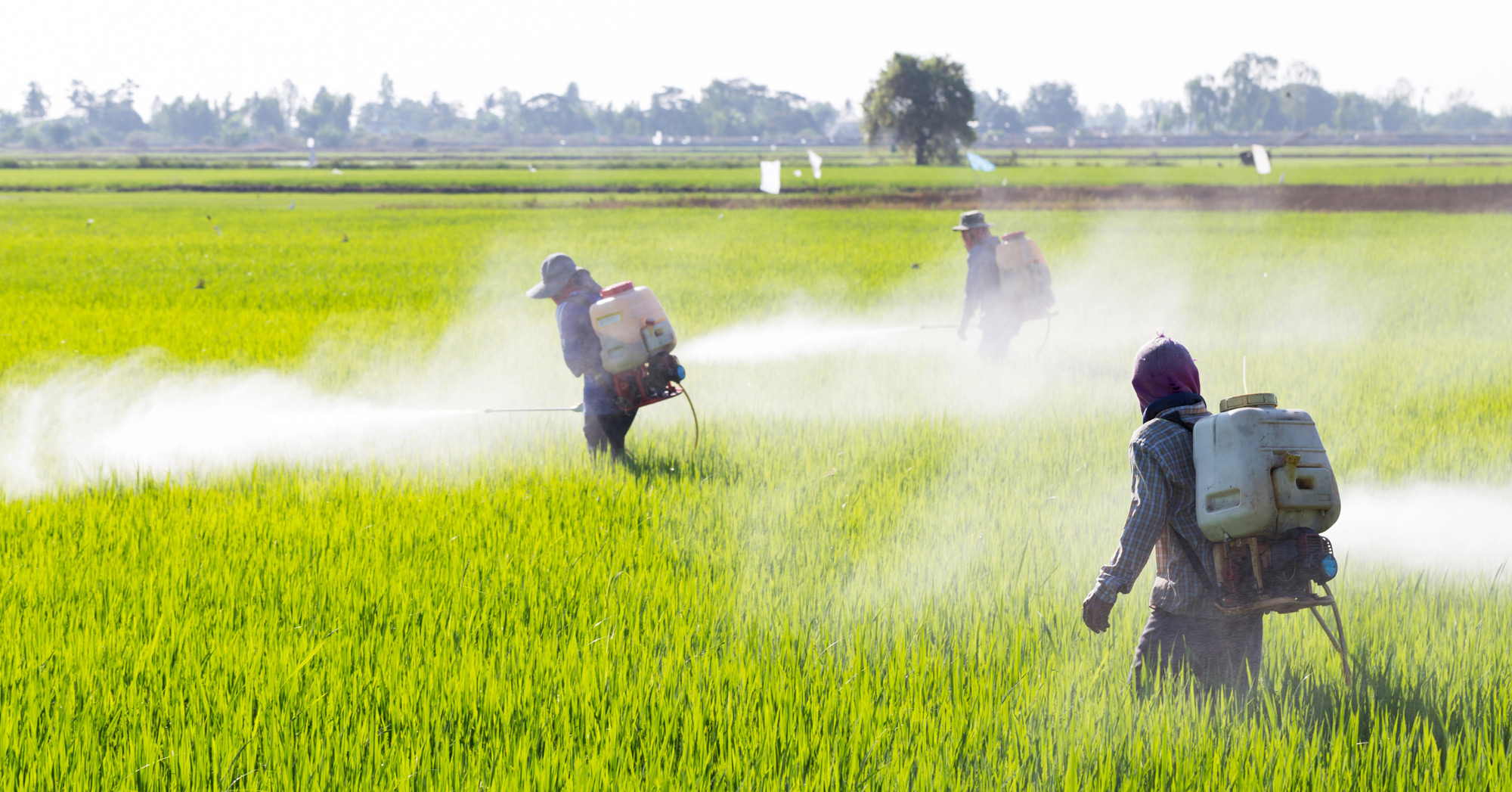
The rice is touted as non-GMO and environmentally friendly but is intended to be sprayed with EU-banned herbicide imazethapyr. By Claire Robinson
- Details
 Corteva receives import authorisation for genetically engineered maize
- Details
Science-based, precautionary approach comes under attack, according to media report
- Details
Corn earworm pest is resistant to all GM Bt hybrids – and yields are no higher than those of non-GM hybrids. Report: Claire Robinson
- Details
Deregulation could mean humans and animals are exposed to gene-altering pesticides with no regulatory oversight, with potentially deadly consequences. Report: Claire Robinson
- EFSA ignores main issues in opinion on ANSES's report on new GMO deregulation
- Review 572 – GMOs in General
- The Genetic Technology Act – does change begin right now?
- EU food safety watchdog backs controversial Commission plan on new GMO plants
- New evidence shows unintended changes from gene editing are different from random mutations