News
- Details

Pollinis slams EFSA opinion on French health agency's warnings
- Details
For the past decade or more, GMO promoters have been proclaiming the GM debate over, claiming it was only ever driven by ill-informed or idle opposition from the well-fed. But as our latest Reviews show, far from being dead, the battles over GMOs, and the pesticide deluge that almost invariably accompanies them, are raging fiercely on every continent, amidst resistance to punitive seeds laws, regulatory capture, the lack of evidence of safety, and the denial of consumer choice, not to mention damage to biodiversity, to the livelihoods of farmers, and to the well-being of rural people (see our reports from AFRICA, ASIA, THE AMERICAS, and EUROPE).
And the stakes in some of these battles couldn’t be higher. As one of the articles among our reports on the MEXICAN GMO CORN BAN notes, “The outcome of the US-Mexico trade dispute over GM maize could have global ramifications: if the panel rules in Mexico’s favour, it could set a legal precedent. That, in turn, could encourage other countries to ban GM crops. And that is the last thing the world’s agrochemical giants want.”
We also have some fascinating stuff towards the end on GMO ANIMALS, SYNBIO, TECHNO-FOODS, and RESEARCH ON ALTERNATIVES.
THE AMERICAS
Peru again rejects any lifting of its GMO ban
The Peruvian Congress has again said no to GM crops and moved to protect the country’s food sovereignty and regulatory autonomy. Bill 7752/2023-PE sought to modify Peru’s GMO moratorium, which bans the use of living modified organisms until 31 December 2035. The government of Dina Boluarte claimed GMOs were needed. But opponents pointed out that the National Institute of Agrarian Innovation is developing and providing improved seeds without resorting to GMOs, helping farmers to sustainably improve productivity. Peru is recognized worldwide for its megadiversity. It’s the centre of origin of such important crops as potatoes, tomatoes, cocoa and quinoa. And its diversity is regarded as not only a precious heritage but a competitive advantage in export markets, where organic and GMO-free products are highly valued.
Poison unleashed: Almost 80 GMOs approved in Argentina
Nearly 80 GMOs have now been approved in Argentina, unleashing a pesticide deluge, reports investigative journalist Patricio Eleisegui. Recently the government released a variety of Corteva GM corn that tolerates four different pesticides. On top of all the approved GMOs, Claudio Dunan, an ex-director of Bioceres, the “Argentine Monsanto” behind GM wheat, acknowledges that illegal varieties of GM cotton are also being planted. History suggests, writes Eleisegui, that regulators will rush to approve them to keep the agribusiness bosses happy.
Brazil’s new pro-agribusiness pesticide law threatens Amazon biodiversity
Brazil’s new pro-agribusiness pesticide law, the so-called Poison Bill, eases restrictions on the sale and use of a wide range of agrochemicals – many of them sprayed on GM soy plantations – that are dangerous to humans and the environment. In the past 10 years, Brazil has increased its pesticide consumption by 78%, particularly in the Amazonian areas where the agricultural frontier is advancing. To experts, the Poison Bill is catastrophic: As well as increasing the risks to Indigenous people, riverine communities and small farmers, the legislation can devastate the Amazon Rainforest biodiversity. “Pesticides are especially harmful at the edge of the Amazon Rainforest, where they affect an intact biodiversity, which suffers more to adapt,” said Ricardo Theophilo Folhes, a researcher in geography and environmental sciences at the Center for Advanced Amazonian Studies at the Federal University of Pará. “Studies show that soil and water contamination is long-lasting, affecting entire chains.”
Pesticide-related declines of butterflies in US Midwest coincided with adoption of (GMO) corn and soybean seeds treated with neonics
Glyphosate eradicates all kinds of weeds, including milkweed – the only food source for monarch caterpillars – and its use is widely considered a cause of overall monarch declines. But a new study has shown that that damage had been done by the early 2000s – Roundup Ready crops, which intensified glyphosate use, were introduced in 1996. That’s when neonicotinoids kicked in to continue inflicting harm. Neonicotinoids are widely used on GM corn and soybean seeds and they can leach into the surrounding environment. Insecticide-related declines began in 2003, coinciding with the appearance and quick adoption of corn and soybean seeds treated with neonicotinoids throughout the Midwest. Overall, the study found that while glyphosate is still anchoring monarchs at much lower population levels than in the past, neonicotinoids, more than herbicides, land use and climatic conditions, are what is now continuing to drive their numbers down. See also this article on the study in The New York Times by one of the researchers, and this from Environment America.
MEXICAN GMO CORN BAN
Mexico stands firm on GMO corn ban
After Claudia Sheinbaum was elected as Mexico’s new President in a landslide victory, Mexico’s incoming Secretary of Agriculture and Rural Development, Julio Berdegué, confirmed that neither the cultivation of GM corn nor imports for human consumption will be allowed in its national territory. He did, however, say that Mexico will continue to allow imports of yellow corn for animal feed from the US, while focusing instead on maintaining self-sufficiency in non-GM white corn, which is commonly used in the country’s staple tortilla.
After a 4-year legal battle, Monsanto drops lawsuit against Mexico’s GMO corn ban
In a significant victory for Mexico, Monsanto has withdrawn its legal challenge against Mexico’s 2020 presidential decree aimed at banning glyphosate and GM corn for human consumption. Mexico’s National Council of Humanities, Sciences and Technologies (Conahcyt) heralded the decision as “a triumph for life, health and food sovereignty”. However, what has not been abandoned and is still progressing is the trade dispute settlement panel requested by the US government over Mexico's plan (see the linked article and the following items). Its conclusions could have global ramifications.
The US-Mexico tortilla war
Do nations have the right to determine their own food policies? If sovereignty means anything, the answer to these questions is yes. Defending food supplies is an ancient cornerstone of the social contract, one enshrined in 21st century trade pacts including the US-Mexico-Canada Agreement (USMCA), the successor to NAFTA. In December 2023, Mexican President Andrés Manuel López Obrador invoked this right when he banned GM corn for human consumption and proposed phasing out the use of glyphosate, GM corn’s signature herbicide. If GM corn and glyphosate pose health risks to humans, as suggested by a growing body of research, then those risks are magnified in Mexico, where the national diet revolves around minimally processed white corn. But Mexico’s assertion of food sovereignty was not welcomed in Washington, where the Biden administration joined industry in crying foul.
Experts warn of toxins in GM corn amid US-Mexico trade dispute
Friends of the Earth US has released a briefing backing Mexico’s ban on GM corn for human consumption, which they recently submitted to the dispute settlement panel charged with considering the US government's challenge to the policy. The briefing explains that since the commercial introduction of GM corn in 1996 “and event-specific approvals in the 1990s and 2000s, dramatic changes have occurred in corn production systems. There has been an approximate four-fold increase in the number of toxins and pesticides applied on the average hectare of contemporary [GM] industrial corn compared to the early 1990s. Unfortunately, this upward trend is bound to continue, and may accelerate.” In addition, the US statement's assurances about risks from Bacillus thuringiensis or vegetative insecticidal protein (Bt/VIP) residues “are not based on data and science”, the briefing warns.
Activists call on tribunal panel to defend Mexican native maize against GMOs
More than 100,000 activists signed a letter calling on the panellists appointed to the GM maize controversy to defend Mexico’s native grains in its dispute with the US over the GM maize treaty. The Campaña Nacional Sin Maíz no hay País [National Campaign: No Maize, No Country] sent their message to the panellists, who will decide the trade dispute over the ban on GM maize in Mexico.
AFRICA
South Africa: GMO contamination of local seed systems and farmers’ fields now common
Starting back in the apartheid era, South Africa became the first country in Africa to adopt GM crops. Recent research has found GMO contamination of local seed systems and farmers’ fields is now common there, with a whole series of negative consequences. There is also a risk of trans-border transgene flow. Many GMO farming activities straddle the borders of South Africa and Eswatini, Lesotho, Zimbabwe, and Mozambique. This is likely to have multiple consequences for affected smallholder communities.
Zimbabwe: Ban on GMOs being subverted
Like some other African countries, Zimbabwe has had a long-standing ban on GMOs. But a row has broken out recently over test results allegedly showing a disproportionately high level of GMO content in some Zimbabwean food. In this context, apparently reassuring headlines have popped up, such as Zimbabwe moves to strengthen GMO regulations and Drafting of GMO regulations vital in public health protection. But those reading further down these articles may be surprised to be told that “It is crucial that as regulators we create an enabling environment” and that Zimbabwe “has embraced genome editing and GMO technology”.
Kenya: Blow to government as High Court extends ban on GMOs
Efforts by the Kenyan Government to have the orders barring the importation, distribution and adoption of GMO products in Kenya lifted failed after a Kenyan High Court extended the ban up to October 2024. President William Ruto’s government authorized the import and cultivation of GMOs, banned in Kenya since 2012, in October 2022, just after coming to power. But that authorisation has been blocked by legal challenges brought by the Kenyan Peasants League and other civil society groups.
Kenya: Farmers challenge punitive seed law
The ongoing legal action by Kenyan farmers against the Seed and Plant Varieties Act, which criminalises the sharing, sale, and exchange of “unregistered” seeds, has its latest hearing scheduled for 24 July in the High Court of Kenya at Machakos. Kenya’s seed law stops smallholder farmers from exchanging indigenous seeds. Those who carry on this age-old tradition can even face a prison sentence of up to two years or a fine of up to 1,000,000 Kenyan shillings (approaching 8,000 US dollars). Please show solidarity by signing the Greenpeace Africa petition calling for the abolition of the punitive seed law. For how Kenya’s law is part of a much wider effort to tighten intellectual property laws on farms throughout Africa, so undermining farmer-managed seed economies and forcing farmers into the “value chains” of global agribusiness, see this incisive feature article from September 2023 in The Nation.
Nigeria: GM Tela maize controversy a threat to health, environment, sovereignty and food security?
The Federal Government’s decision to introduce GM Tela maize to Nigerian farmers has sparked intense controversy, as concerns about the crop’s impact on human health, environmental sustainability, and the nation’s agricultural future continue to mount. The well-known Nigerian environmentalist Nnimmo Bassey has called it “unacceptable” that “the country is exposing its citizens to products of risky technologies without adequate, independent and/or long-term assessment on their impacts on human and environmental health… We are also concerned that there is no way to label or inform our farmers that they are planting GMO maize.”
Nigeria: Director General of National Agency for Food and Drug Administration and Control says GMO food not safe for human consumption
According to Prof Mojisola Adeyeye, Director General of Nigeria's National Agency for Food and Drug Administration and Control (NAFDAC), GMO food is not safe for human consumption because lots of necessary research has not been done. Speaking on national television, Prof Adeyeye said that until NAFDAC gets very convincing data to show the safety of GMO consumption, “it is not safe for us”. Needless to say, Prof Adeyeye and NAFDAC came under immediate attack from GMO promoters, most notably Nigeria’s National Biosafety Management Agency (NBMA), which in a leaked memo called for NAFDAC to retract the comments. NBMA has long been criticised for making GMO regulation “synonymous with promotion”. The previous Director-General of the NBMA once described critics of his agency’s approval of GM TELA maize as terrorists.
Ghana: Groups including ActionAid condemn commercialisation of GM products
ActionAid Ghana, the General Agricultural Workers Union, the Peasant Farmers Association, and Ghana Journalists for Environment, Science, Health and Agriculture are among the diverse organisations that have condemned the commercialisation of 14 GMOs – a mix of GM maize and soybean varieties, 13 of them belonging to Bayer/Monsanto and one to Syngenta. In a press release, ActionAid Ghana said the “decision to lift restrictions on GMOs poses significant risks to food security, biodiversity, and the well-being of vulnerable communities”. The international development group also said the decision “lacked proper consultation, denying Ghanaians the right to voice their opinions on what they consume. We believe that the National Biosafety Authority (NBA), which should act as a neutral regulator, has actively promoted GMOs, compromising its independence and Ghana’s national interest.”
Ghana: Court orders National Biosafety Authority to label all GMO foods
After nine years fighting the commercial release of GM cowpeas through the courts, Food Sovereignty Ghana (FSG) and its allies have finally had their case dismissed. But FSG were delighted with one part of the ruling, where the judge directed that all foods and feed containing GMOs must be labelled to afford Ghanaians the right to make informed decisions.
Ghana: Promulgate laws against GMO soybean commercialisation – Soya Value Chain Association
The Soya Value Chain Association of Ghana has warned that the commercial cultivation of GMO soybean seeds will lead to loss of Ghana’s non-GMO soybean niche market, collapse the domestic market driven by consumer preference for non-GMO soybeans, and push smallholder farmers out of business.
Ghana: GMOs would not provide food security – peasant farmers
The National President of the Peasant Farmers Association of Ghana, Wepia Addo Awal Adugwala, has reminded policy makers that the problems bedevilling Ghana’s agricultural sector will not be solved by GMOs. Awal Adugwala identified irrigation, agriculture mechanisation, bad roads, and access to markets as some of the pressing issues militating against agriculture and food security.
ASIA
India: Skin allergies from GMO cotton but not organic
A revealing comment about GM cotton was made at a recent exhibition in Hyderabad of woven textile designs (known as Sonthanga) on raw unbleached cotton fabric. Durga Manikanta, who has been spinning cotton for the past 12 years, told the reviewer of the collection for the English-language daily The Hindu that “Spinners used to get skin allergies with (GM) Bt cotton but not with the organic cotton used in Sonthanga.” There have been reports since soon after its introduction of allergenic reactions among those handling GM Bt cotton, and there are several studies indicating that immune responses are triggered by the Bt toxins involved.
Philippines: Farmers and citizens win court case against GM Golden Rice and Bt eggplant
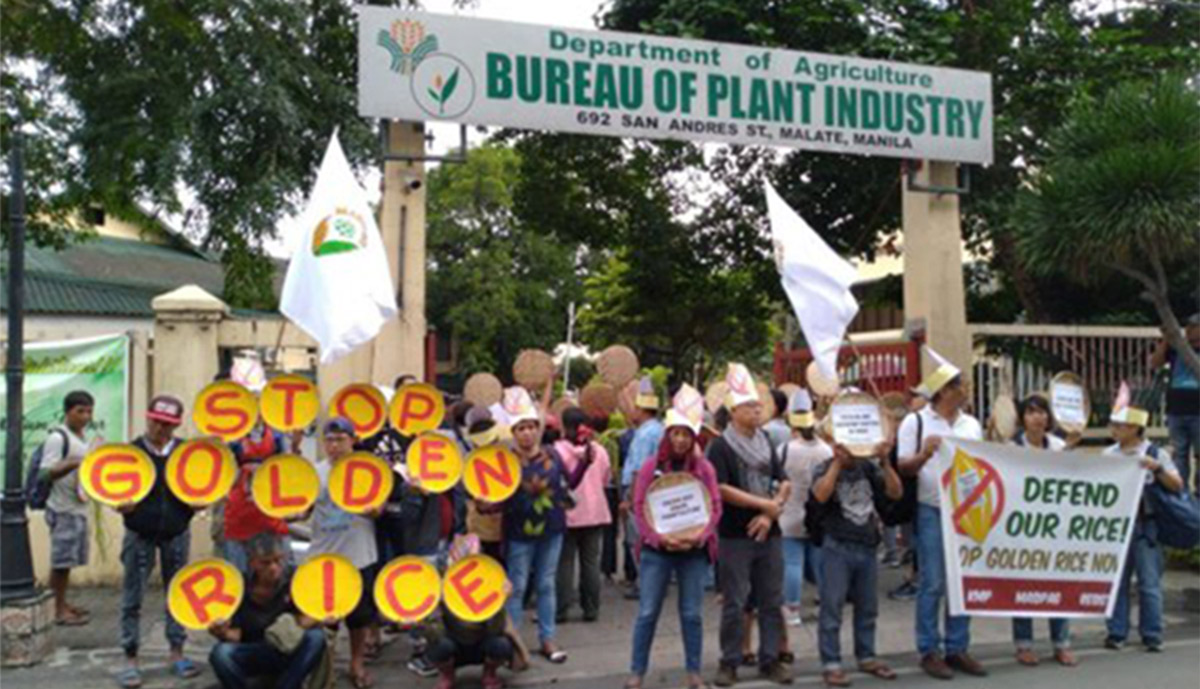
Back in April the Philippines Court of Appeal ruled in favour of the applicants – farmer/scientist group MASIPAG and others – and against the Philippine Government's actions that granted permits for the commercial propagation of GM Bt brinjal (eggplant) and GM Golden Rice. The judges ruled that there was no scientific consensus on the risks of GMO rice and eggplant to humans and the environment, that the precautionary principle must be upheld, and that proper risk assessment procedures must be adhered to, but were not, in the cases of these GMOs. The court ruled all commercial production must stop until the relevant government agencies “submit proof of safety and compliance with all legal requirements”.
Expert: Blaming Greenpeace for blocking Golden Rice is “sleazy sleight of hand”
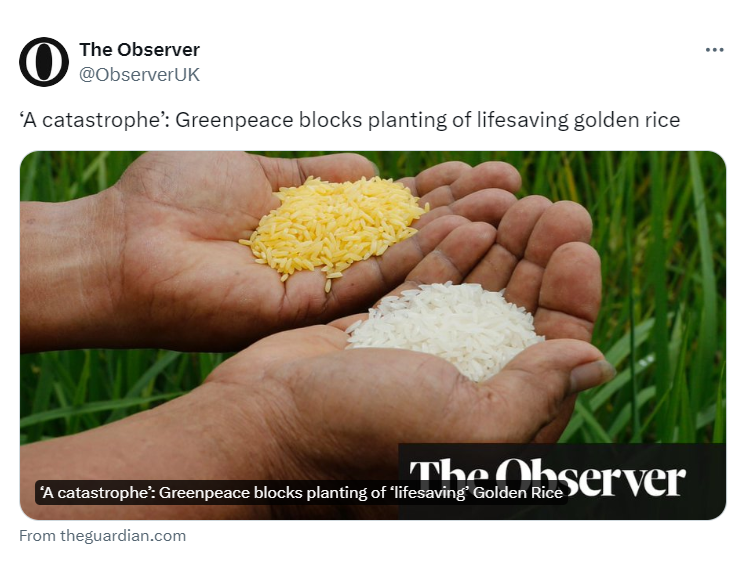
With the Philippines court decision blocking the further planting of GM Golden Rice in the country, pro-GMO advocates have renewed their attacks on Greenpeace, the local branch of which, together with the farmer-scientist network MASIPAG and others, brought the lawsuit. GM Golden Rice is engineered to contain the vitamin A precursor beta-carotene and is targeted at poor people, especially children, suffering from vitamin A deficiency (VAD). The Observer’s science editor Robin McKie published an article accusing Greenpeace of causing “a catastrophe” by bringing the court case. The Observer also backed that up with an editorial headlined, “When modified rice could save thousands of lives, it is wrong to oppose it”. However, experts on Golden Rice have roundly debunked the claims, with one pointing out that blaming Greenpeace for blocking the GM crop is “a sleazy sleight of hand to hide the fact that after 30 years of development, Golden Rice is still not ready”. Glenn Davis Stone, Research Professor of Environmental Science at Sweet Briar College, also points out that there is no evidence that Golden Rice can improve vitamin levels in its target population and that farmers may not be prepared to even plant it without special inducements to do so.
Golden Rice: why has it been banned and what happens now? – podcast
Glenn Davis Stone and Robin McKie both feature in a Guardian podcast on the latest twist in the long and controversial journey of Golden Rice. The Guardian’s podcast is much more balanced than the pieces published in the Guardian’s sister paper, The Observer, with Prof Stone pointing out such problems as Golden Rice’s still unstudied health impacts, that it has been developed in a now obsolete variety of rice that farmers would not normally choose to plant, and that its beta-carotene content is unstable.
Philippines' farmer-scientist network bites back on hyping of Golden Rice
The Philippines has local and indigenous crops that are naturally beta-carotene-rich, says farmer-scientist network MASIPAG. Yet they're going to waste while GM Golden Rice enjoys limitless resources from government, the International Rice Research Institute, and corporations. MASIPAG also points out that official data show that the yields of Golden Rice are below average, meaning that if advocates get their way and the crop is eventually widely planted, this will result in “a decrease of 750,000 metric tons of rice or roughly a reduction of 4% in the national rice productivity rate of the country – 750, 000 metric tons of rice which can sufficiently feed more than four million Filipinos for an entire year”.
EUROPE
Swiss petition to curb genetic engineering gets nearly 25,000 signatures
A petition in Switzerland to extend a moratorium on genetic engineering, or GM technology, for a fifth time has been handed in with 24,780 signatures. The petition was submitted in Bern, with authors calling for a transitional arrangement until the implementation of the planned Food Protection Initiative. This is set be launched in the autumn and will introduce strict rules for genetic engineering. Behind the petition is the Association for GMO-Free Food, which is worried that the current moratorium on genetic engineering, in place since 2005, is set to expire at the end of 2025. Genetic engineering companies want the Swiss authorities to lift the moratorium, which states that GMOs can currently only be cultivated in Switzerland for research.
GMO crops continue their downward spiral in Europe
Only one GM crop is authorised for cultivation in the EU (Bayer’s MON810 maize) and the latest figures show that the tiny amount being grown – limited to Spain and Portugal – continues its downward spiral, shrinking by as much as a third in the last year for which figures are available. In Germany, the cultivation of MON810 has been banned for the last 15 years.
Bayer’s GMO insecticide-producing maize produces invasive transgenic wild plants
At Bayer’s annual stockholders’ meeting in Germany, Testbiotech called for an end to the cultivation in the EU of its GM maize MON810, which produces an insecticidal (Bt) protein. It flagged up research published by Spanish scientists that had found that the GM maize has crossed with teosinte, a related wild plant species. and transferred its insecticidal protein. The resulting GMO hybrids are now spreading and showing signs of increased invasiveness. In addition, the European Food Safety Authority (EFSA) recently expressed concern about signs of resistance developing in insects (the European corn borer) in Spain, which the GM maize is meant to combat. Resistance to Bt toxins among pests has also been a growing problem in the US, where the EPA recommends phasing out many of the Bt crops on the market due to pest resistance, including stacked trait varieties introduced to try and overcome resistance to single trait varieties.
ADM in Germany wants to replace Ukrainian soybeans with local ones
Archer Daniels Midland (ADM) is looking for suppliers of non-GMO soybeans for its oil extraction plant in Mainz. Currently, soybeans remain a niche crop in Germany – last year soybeans were grown on 45 thousand hectares in the country, which is half as much as the area under vineyards. At the same time, ADM sees a growing demand for non-GMO soybeans grown in Europe.
GMO ANIMALS
GM salmon firm AquaBounty agrees to sell Indiana salmon farm for $9.5m
Wisconsin-based salmon and leafy greens producer Superior Fresh has agreed to buy GM salmon producer AquaBounty’s land-based salmon farm in Albany, Indiana, for $9.5 million, AquaBounty said in a market filing. Portions of the proceeds of the sale are expected to be used to reduce AquaBounty’s debt, the company said. Unlike AquaBounty, Superior Fresh doesn't see the advantage of genetic engineering, even in plants, and states on its website that its fish eat a non-GMO, organic diet. It says its fish contain twice the omega-3 content of other salmon, and “are not fed like most farmed fish, which are too often fed with formaldehyde, pesticides, antibiotics, and GMOs”. AquaBounty put its 1,200-tonnes-per-year Indiana facility on the market in February to raise cash. The company is building a 10,000-tonne RAS facility in Pioneer, Ohio, but paused work last year due to rising costs which had increased to nearly $485-$495 million.
Why genetically modifying wild animals is not a good option
There is currently debate about whether humans should genetically engineer wild animals to improve their welfare. A new paper, subtitled "Why genetically modifying wild sentient animals is not a good option", emphasises that a) the benefits of genetic engineering are overestimated and at the same time harms from its development and use are underestimated, b) the assumption that genetic engineering is an appropriate "last resort" tool is wrong, c) many arguments in favour of genetic engineering are based on an inadequate understanding of ecology and biotechnological processes, and d) the debate downplays the importance of self-determination for wild animals. The authors recommend "a more respectful attitude towards and treatment of non-human individuals and the ecosystems in which they live. To achieve this, other measures should be investigated and used than genetic engineering."
SYNBIO, TECHNO-FOODS
Synthetic biology firms in retreat
Synthetic biology ("precision fermentation") firms, like Ginkgo Bioworks, Amyris, LS9 and Solazyme, have sucked in billions of investor money with talk of engineering bacteria to produce biofuels, plastics, foods, textiles, and more. But three have now gone to the wall, with Amyris the most recent to file for bankruptcy, and Ginkgo is in retreat. Ginkgo is to lay off as many as 400 employees, more than a third of its workforce, as part of a broader restructuring aimed at radically reducing costs. When Ginkgo was preparing to begin trading as a much sought after public stock in 2021, an article for MIT Technology Review commented, “To skeptics... Ginkgo is a company with modest scientific achievements and little revenue, and its greatest talents lie in winning glowing press coverage and raising money.”
Whole Foods betrays its non-GMO roots: The Impossible Foods controversy
In a stunning move that has left health food advocates shaking their heads, Whole Foods Market, long celebrated as a paragon of organic and non-GMO foods, has partnered with Impossible Foods, a company that brazenly embraces GMOs, and even at times synthetic biology, in its “plant-based” meat products. This alliance not only contradicts Whole Foods’ carefully cultivated image but also raises serious concerns about the potential health risks posed by Impossible Foods’ offerings.
Fake meats ruthlessly patented by Impossible Foods and “small number” of others
Impossible Foods holds more than half of the plant-based-meat related patents in both the US and the EU, according to a Stanford University investigation in 2023. And in both regions of the world, the Stanford investigators found that nearly all plant-based meat patents were published by just “a small number of private companies or individuals”. Ruthless patenting inevitably leads to intellectual property (IP) lawsuits. And since March 2022, Impossible has been engaged in one against Motif Foodworks and Ginkgo Bioworks, which spun off Motif in 2019, over the production of heme proteins (which give fake meat a “bleeding” appearance, like rare-cooked real meat) via synthetic biology using a genetically engineered yeast strain.
Lab-grown meat’s biggest player axes employees, cites economic uncertainty
The billion dollar startup Upside Foods is dismissing some of its workforce and ending the production of the “whole-cut chicken” that helped prompt suggestions that the company could be the next Theranos – the biotech startup that imploded due to fraud. More on how Upside helped lab-grown meat be declared “one of the worst technology failures of 2023” here.
RESEARCH ON ALTERNATIVES
Organic farming leads to adaptations in plants' genetic material
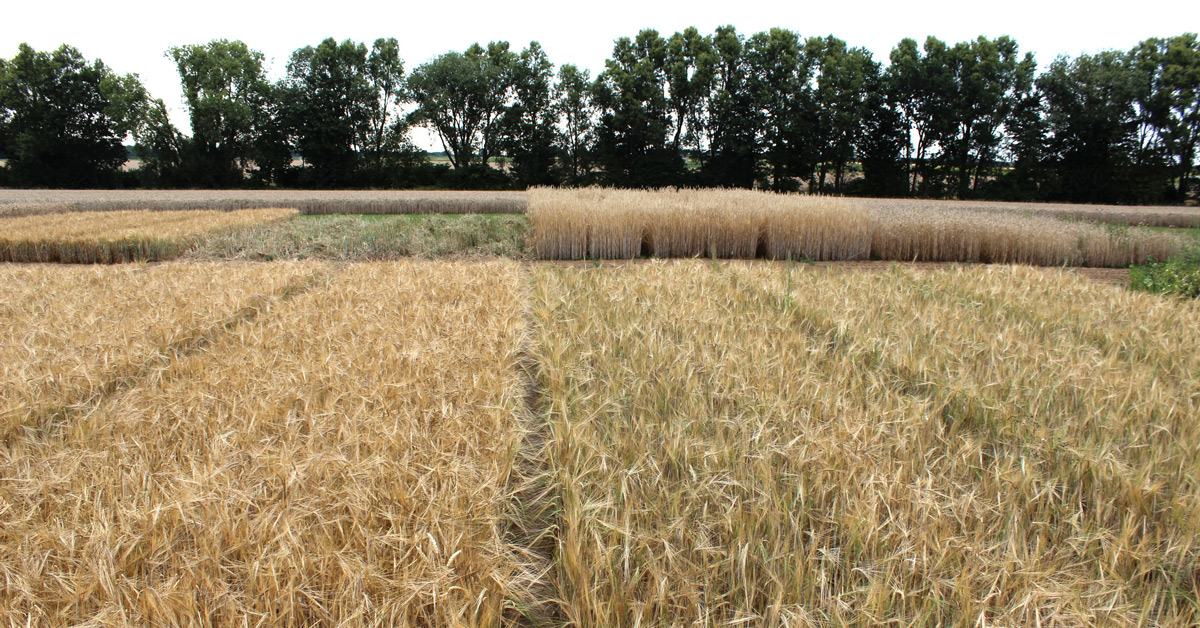
Plants adapt genetically over time to the special conditions of organic farming, becoming more resilient than conventionally grown seed to stresses such as disease or a lack of nutrients or water, a long-term study conducted at the University of Bonn shows. Using the same barley seed but growing it in either organic or conventional farming conditions, the organically farmed barley became more genetically heterogeneous (varied) year upon year, whereas the conventionally farmed barley became more genetically uniform over time. The study shows the importance in organic farming of saving seed on-farm and replanting it year after year, to enable the seed to progressively adapt to the local conditions.
New report: Agroecological Intelligence – Establishing Criteria for Agroecologically Appropriate Technology
Agroecological farmers and growers are not anti-technology, but they are suspicious of top-down, developer-driven technology which is often removed from their interests and a distraction from the wider reforms needed for a more sustainable, fair and resilient food system. They are, however, enthusiastic about agri-innovations which have been designed and developed with them, their values and needs in mind. These are some of the findings from the 18-month Agroecological Intelligence Project from A Bigger Conversation which draws on extensive and in-depth workshops with UK agroecological farmers and growers. The final report has just been published and includes a guide to help practitioners assess agricultural technologies for their compatibility with agroecology as well as recommendations for significant changes in the way agritech is developed, regulated, financed and promoted. In GMWatch’s view, this is a much needed and important report that gives a voice to the people best placed to make judgments on appropriate technology for agroecological systems – agroecological farmers themselves.
..................................................................
We hope you’ve found this newsletter interesting. Please support our work with a one-off or regular donation. Thank you!
 By Beyond GM
- Details
 EFSA’s opinion contradicts European national agencies, including ANSES in France, that warn about risks for health and environment
- Details
 Comment and analysis by Third World Network and Testbiotech
- Details
Policymakers were also misled by “over-hyped” claims for gene-editing technology. Report: Claire Robinson and Jonathan Matthews
- Details
The EU looks to be off the hook, for the moment at least, from the threat of new GMOs – gene-edited crops and foods – ending up in fields and on plates without any safety checking, traceability, or labelling. That’s because the countries forcefully driving the deregulation of new GMOs (or “NGTs” as the Eurocrats have decided to call them) have failed in their drive to convince sufficient member states that they have got the legislation right – see below.
But the UK is still very much on the hook and British citizens' pre-election window of opportunity to change the disastrous GMO deregulation bill – the Genetic Technology (Precision Breeding) Bill – passed by the current Conservative government, is closing fast. So if you can vote in the UK, please take action now – see our first item below – and write to your future MP as if your consumer rights depend on it, because they do! The next government will have the power to ensure transparency and, crucially, labelling for so-called “precision-bred” (i.e. gene-edited – a process that is very far from precise!) GMOs. The time to demand this is now. Follow the link below to take action. It's easy and quick to do – and it's really important.
UK Action Alert: “Precision bred“ GMOs must be labelled and traceable

Right now – and for a very short time – we have a rare window of opportunity to put the issue of genetically engineered food in the UK food system in front of would-be MPs and demand that they take action. The UK’s GMO campaign groups, including GMWatch, have come together to make it simpler for citizens to write to all their candidates in one go and urge them to commit to ensuring that forthcoming regulations for the Act include provisions for mandatory labelling, greater regulatory transparency and ongoing – and meaningful – public engagement on an issue of deep public concern. An encouraging number of people have taken action already, but we need more to maximise the impact. Take action now!
UK: Will we be able to keep GMOs – including the new “PBOs” – off our plates?
In 2023, the current Conservative Government passed the Genetic Technology (Precision Breeding) Act, which created an entirely new and fictitious class of genetically modified organisms – the “precision bred organism“ or “PBO”, writes the well-known investigative food journalist and author Joanna Blythman. She says: “This sneaky, undemocratic attempt to force genetically modified organisms (GMOs) onto our plates – unlabelled – has been launched by our government, working hand-in-hand with the biotech industry, research establishment and pro-GMO ‘think tanks’. It represents the most serious threat to non-GMO, organic and traditional food and farming in my lifetime. It is an attack on our right to eat time-honoured ingredients in their natural forms. If successful, it will jeopardise our future ability to defend and protect authentic small-scale food culture.”
Scotland: SNP’s stance on gene editing would stay the same if the EU changed
If the European Union chooses to invest in gene-edited crops, the Scottish government would not follow suit, according to First Minister John Swinney. The SNP leader confirmed the party’s opinion on the issue during his visit to the Royal Highland Show alongside minister for agriculture Jim Fairlie. “The SNP’s stance is not to pursue GE [gene editing]. Even if they wish to in Europe, it is not in our interest.” Swinney explained. “Here in Scotland we produce a high quality of produce and I would not like to take away from that.” Swinney is instead wishing to focus on supporting farmers in the rise of labour shortages and funding issues.
GM foods must be clearly labelled
While Scotland still bans GMOs, the UK Internal Market Act means there is nothing to stop “precision-bred” (i.e. new GMO) English foods and animal feeds from making their way into Scotland’s food chain – and the English law puts no labelling requirements on precision-bred products. This raises serious problems in several areas, writes Ruth Watson, founder of the “Keep Scotland the Brand” campaign: “If precision-bred food is not labelled, it can’t be avoided. Consumer protection, consumer choice and consumer confidence in the food we eat is of significant importance, both at home and in our important export markets. Organic farmers and producers of organic food and drink cannot use GMOs and keep their credentials, so clear labelling is a vital requirement for the future of Scotland’s organic sector.” Watson added, “It would not be an understatement to say the devolved nations have been treated with a dismissiveness which could be interpreted as rank contempt by the UK Government as the English legislation made its way through the Westminster Parliament.” She recommends that people write to their prospective MPs to express their concerns.
EU: Welcome news – deadlock on new GMO deregulation persists
GMWatch welcomes the news that a discussion on a final proposal by the Belgian Council Presidency to resolve deadlock on new genomic techniques (NGTs, new GMOs) legislation was removed from the 26 June EU ambassadors’ meeting agenda as it failed to convince some member states, notably Poland. The decision came after EU governments could not reach the necessary majority to adopt a common position on NGT rules, sources from the Belgian Presidency said. Poland’s Agriculture Minister Czeslaw Siekierski announced a day earlier the country was unlikely to support the law despite efforts from the Belgian Presidency to address concerns over the patentability on NGT crops. “We did not have enough time to analyse the impact of this proposal,” Siekierski told journalists at a meeting of agriculture ministers. Securing Warsaw’s support would have been enough to break the stalemate and move forward with the proposal. The draft legislation is likely to be stalled at the Council for at least a year, as the Hungarian and Polish presidencies are expected to make little progress on the file. GMWatch comments that this means a much-needed pause in the rush to remove safety checks, traceability and labelling from the products of new GM techniques that are anything but safe.
Retailers, raise your voice for strict legislation on new GMOs: Sign joint European letter
Is your company active in organic food, for example, as a retailer, processor, or food brand? Does your company want to remain GMO-free? Is freedom of choice and high transparency towards consumers and EU citizens important to you? Raise your voice by supporting a joint letter by organic and conventional food company representatives. The letter has 190 signatures so far, but more voices are louder.
Peasant farmers’ organisation responds to GM rice crop trashing in Italy
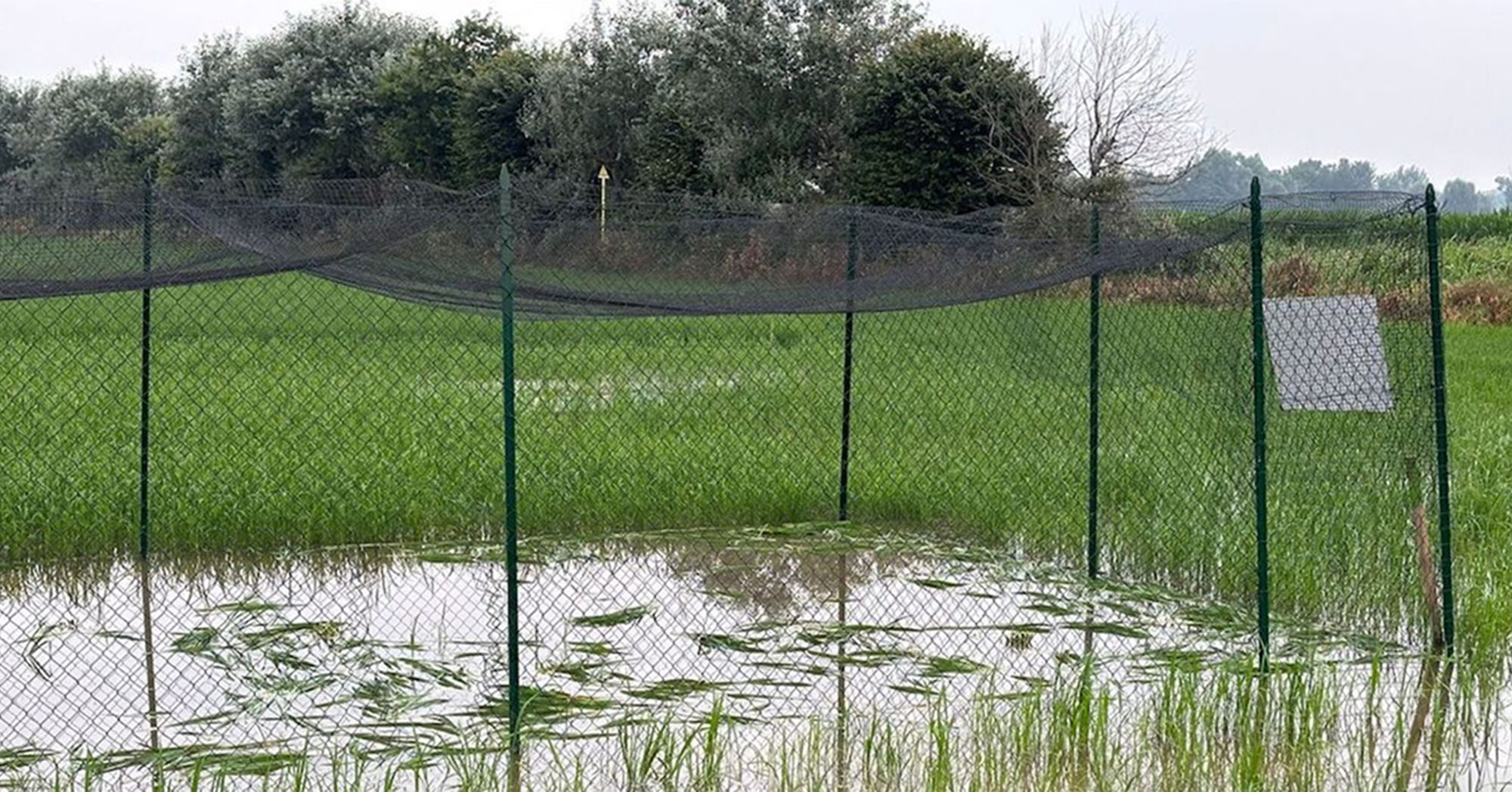
On 21 June a hugely controversial field trial of GM CRISPR gene-edited rice in Pavia, Italy, was destroyed by unknown activists. The researchers who developed the GM rice issued a press release about the incident, calling the activists “ecoterrorists” and complaining of “violence” (there was none), “obscurantism”, and “anti-scientific impulses”. Lobbyists for the big seed producers echoed their complaints, labelling the activists “barbarians”. The Italian Rural Association (ARI), part of the peasant farmers' organisation Via Campesina, opposed the planting of the GM rice trial but also condemned the crop trashing action as counterproductive to their aim of keeping Italy GMO-free. Moreover, Antonio Onorati, board member of ARI, said the group had visited the trial while it was still intact and found numerous violations of the rules for field tests. There were holes in the fence surrounding the trial, meaning there was no capacity to block animals; the distance from the nearest non-experimental rice crop was 0 metres and not 50 metres, as required; and signs to indicate cultivation were placed in such a way as to be illegible from the public road. Onorati added that the trial was pushed through without proper democratic debate or transparency. Read Testbiotech’s critique of the rice trial here.
Bayer set to push “new GMO” salad greens into US grocery stores
Bayer is set to push “new GMO” salad greens into US grocery stores this fall. They were first introduced on a limited basis by Pairwise, which quickly backed off. But Bayer, which is in a strategic alliance with Pairwise, has now licensed the gene-edited greens. No risk assessment was carried out even though the process of genetic engineering 17 genes in the mustard greens resulted in unexpected genetic changes, as well as transgenic gene segments being unintentionally inserted into the plant genome. USDA deregulated the GMO mustard greens without investigating either possible health effects or environmental risks in any detail. The genetic engineering of a milder taste also leads to a reduction in those compounds which are especially relevant for positive health effects.
New GMOs, same risks: EU Ministers urged to apply scrutiny, not shortcuts

Both the French and German national environmental and health agencies have published reports that call into question the EU Commission’s conclusion that most new GMOs would not cause more risks for the health and the environment than any conventionally bred plants. This assumption formed the basis of the Commission’s wide deregulation proposal, which aims to exclude new GMOs from the current EU GMO labelling requirements, safety checks, and traceability processes. Mute Schimpf, food campaigner at Friends of the Earth Europe said: “The recent reports leave no room for doubt – new GMOs, same old risks. It’s time to put an end to the absurd fantasy that they require shortcuts instead of scrutiny. We urge ministers to prioritise the best interests of farmers, consumers, and nature, not those of the agribusiness.” Both national authorities recommend case-by-case safety checks concerning potential health and environmental risks. It stands in contrast to the EU Council of agriculture ministers’ proposal to allow the unlimited marketing and cultivation of new GMOs without any safety checks at all.
New GMOs: EU Commission and EFSA assessments are wrong
A recently published study shows that the use of CRISPR/Cas “gene scissors” causes unintended genetic changes that are different to random mutations. According to the study, major structural changes in chromosomes occur much more frequently in the genomic regions targeted by the “gene scissors” than would otherwise be the case. These results also have implications for the risk assessment of plants obtained from new genetic engineering (NGTs). According to the EU Commission and the European Food Safety Authority (EFSA), unintentional genetic changes resulting from the use of CRISPR/Cas “gene scissors” are no different to random mutations. However, a new study shows that this assumption is wrong and that the location and frequency of the unintended genetic changes cannot be equated to the occurrence of random mutations.
New GM plants: EFSA overlooked most powerful and risky applications

The European Food Safety Authority (EFSA) has overlooked extremely powerful and risky applications of new genetic engineering (NGTs) on plants, writes Testbiotech. This is particularly worrying as EFSA is responsible for correctly informing the EU institutions about the risks associated with NGT plants. If their reports are not correct or misguiding, it can have consequences for legislation and the future safety of health and the environment. Several publications show that CRISPR/Cas gene scissors are a highly effective tool for knocking out genes coding for so-called micro-RNAs (miRNA). The miRNA molecules regulate various complex functions with regard to growth, development and stress responses. Just a few changes in the genes producing miRNAs can cause profound in-depth changes in plant metabolism, involving regulatory networks of hundreds of genes. Nevertheless, EFSA has failed to consider any of these applications in its opinions on NGT plants.
CRISPR patents block conventional plant breeding
No Patents on Seeds! conducted research into international patent applications published in 2023. The outcome shows how new genetic engineering (NGT) is being abused to extend patent protection to conventionally bred plants. Gene variants and traits found in existing plant populations are being “re-invented” with NGTs to create the impression of a technical invention. If these patents are granted, they often extend to conventional breeding. Patents on plant varieties and breeding are prohibited in Europe, with the only exception being GM plants. The EU should take initiative to correct the interpretation of patent law, said Christoph Then of No Patents on Seeds! To “re-invent" the plants, traits found in existing plant populations are reproduced by using tools like the gene scissors CRISPR/Cas. Also, random mutagenesis is used to create the same or similar gene variants. From a plant breeders’ perspective, in most cases, these processes are not necessary to derive the desired traits. Only for companies that want a patent do these processes make sense: They can claim the plants as their “fake” invention. “Some companies are apparently filing these patents to try and push conventional breeders into new dependencies or even out of the market. If granted, the patent holders can control access to plants, regardless of whether genetic engineering is used or not,” warned Christoph Then.
Potential applications of new GMOs present multitude of risks of harm
For a new review, scientists conducted a horizon scanning of potential environmental applications in four groups of organisms produced by genetic modification, including the use of new genomic techniques: terrestrial animals (excluding insects and applications with gene drives), fish, algae and microorganisms. In all four groups, the researchers identified a broad range of potential applications in stages of basic as well as advanced research, and a limited number of applications which are on, or ready to be placed on, the market. The study concludes, “From a risk assessor’s perspective, these potential applications entail a multitude of possible pathways to harm. The current limited level of experience and limited amount of available scientific information could constitute a significant challenge in the near future, for which risk assessors and competent authorities urgently need to prepare.”
New GMOs deregulation would threaten EU farming resilience, local and regional leaders warn
In a published opinion, the European Committee of the Regions (CoR) has warned of serious risks for the future of European agriculture if the European Commission's proposal to deregulate new GMOs/NGTs passes into law. The opinion says that EU regions and cities regard the non-patentability of natural plants and genes – and thus guaranteed access to all genetic resources for varietal innovation purposes – as an essential pillar of any proposal to regulate NGTs. The opinion also calls for better traceability and labelling of NGTs in order to ensure that consumers have freedom of choice and to protect farmers in the event of accidental contamination of their crops by patented seeds. In the opinion, local and regional leaders warn that the current NGT proposal will exacerbate market concentration in the seed sector, lower seed genetic diversity and reduce the availability of organic seed. They therefore call for the organic sector to be supported so that it can coexist with the new GMO crops without additional burdens or costs.
Can GM crops promise food security?
Many scientists and environmental campaigners don’t agree that GM crops can promise food security or help fight the climate change-induced extreme droughts and floods that are decimating agriculture. New GMOs will continue to perpetuate an “agro-industrial system” that “bears substantial responsibility for the climate crisis”, Anneleen Kenis, lecturer in political ecology and environmental justice at Brunel University, London, said. Kenis’s research argues that GMOs often involve “large-scale monocultures” of limited crop varieties that also require great amounts of artificial fertilisers, pesticides and irrigation.
..................................................................
We hope you’ve enjoyed this newsletter, which is made possible by readers’ donations. Please support our work with a one-off or regular donation. Thank you!
- Details
Italian Rural Association condemns the action but says crop trial violated biosafety rules
- Details
 Bulgarian ministry's action is "a good step to reduce the use of this dangerous weedkiller" – campaign group
- Details
 Please put the issue of genetically engineered food in the UK food system in front of would-be MPs and demand that they take action
- Details
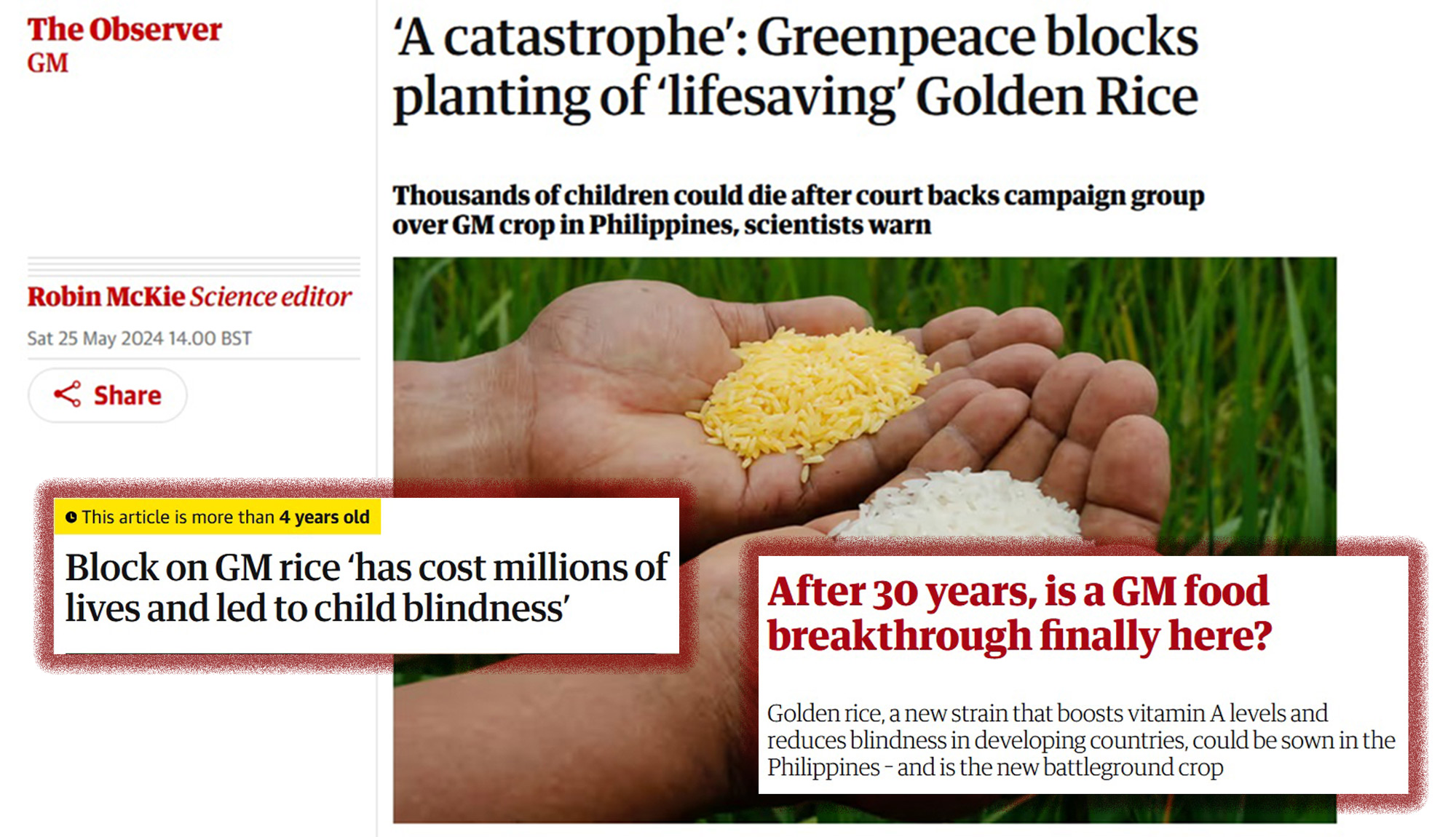
Robin McKie and The Observer have been systematically misreporting on Golden Rice for over a decade. Report: Jonathan Matthews
- Details
Prof Glenn Davis Stone debunks renewed hype around GM crop that after 30 years “is still not ready”. Report: Claire Robinson and Jonathan Matthews
- Details
Low yields and the reappearance of a viral disease linked with foreign rice have cast a shadow over the rollout of GM Golden Rice in the Philippines. Report by MASIPAG

- Details
Saved seed in organic systems progressively becomes more resilient to environmental stresses, compared with conventionally grown seed
- Details
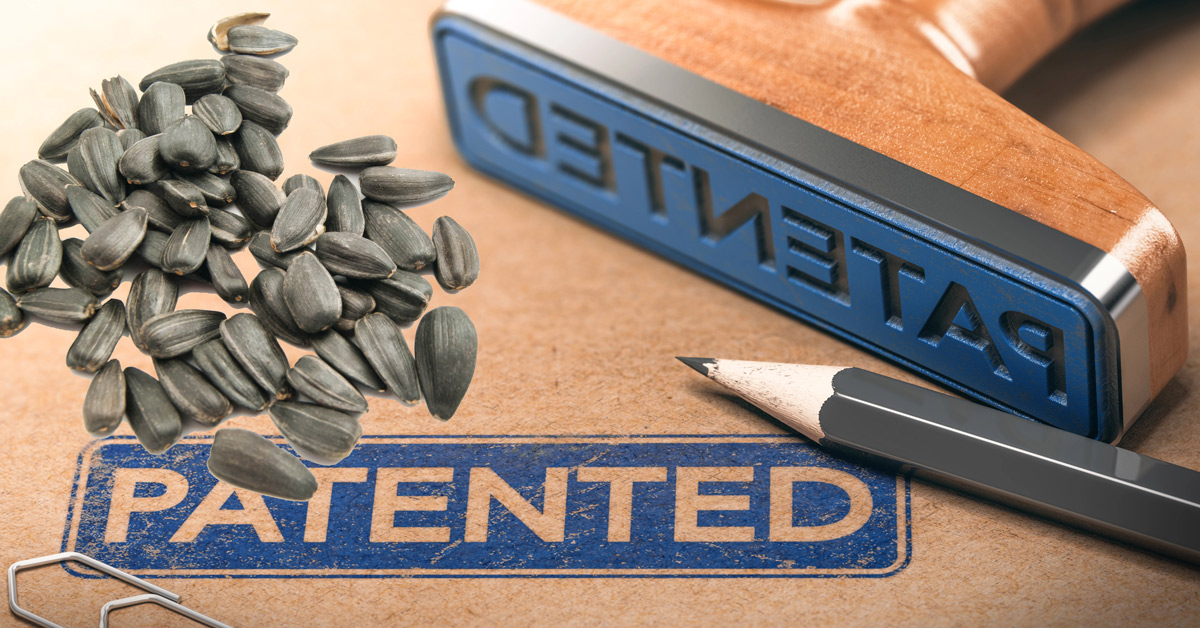
The European Parliament confirmed its support for deregulation of patented GMOs/NGTs and opened the door to their dissemination without traceability through seeds regulation
- Details
 Rulings put an end to common practice of disregarding recent scientific knowledge and giving priority to decades-old industry studies
- Details
Decision puts human health, nature, and farmers’ rights at risk
- Details
First experimental release of "new GM" rice planned in Italy
- Details
Testbiotech warns EU Commission and Parliament of severe consequences
- Details
All commercial propagation of golden rice and Bt eggplant must be stopped until they are proven safe
- Details
We have lots of recent news coming out of the United States, France, Germany, Canada, India, Spain, the Netherlands, the UK, and the Caribbean, but we are going to start our latest Review in what might seem an odd place – not with Bayer’s toxic products, the main focus of this Review, but BAYER’S BUSINESS PROBLEMS.
Why? Because their acquisition of Monsanto, and with it, Monsanto’s terrible toxic legacy, has reduced Bayer to a struggling, heavily debt-burdened, loss-making company whose products are facing increasing critical scrutiny (LATEST RESEARCH), public and political hostility (GLOBAL RESISTANCE), and tens of thousands of costly challenges in the courts (see LEGAL DEVELOPMENTS and MORE TOXICS). All of which has trashed Bayer’s share price and left it seriously short of capital. Hence the company is not in a position to settle the many outstanding lawsuits and is facing increasing calls from investors to break itself up.
The nightmarish cul-de-sac in which Bayer finds itself parked is key to understanding the desperate hardball legal and political manoeuvres the company is currently engaging in. As it seeks to call in favours from its friends in high places to try to shut down as much of the litigation as it can, the danger is that if it succeeds in its goal of gaining immunity from legal redress, not just Bayer, but also other pesticide makers will be the beneficiaries, making the deadly impact of this industry cause for even greater concern. As Nathan Donley, a senior scientist at the Center for Biological Diversity, told the New Republic, “A company that has no fear of liability is a very scary thing” (POLITICAL DEVELOPMENTS).
BAYER’S BUSINESS PROBLEMS
Can Bayer recover from its chronic pain?

Last year Bayer made a net loss of almost $3.2 billion, reports The Economist. Its sales fell by 6%. It has torched 70% in shareholder value since June 2018, when it completed its acquisition of Monsanto. The $63 billion that Bayer splurged on acquiring Monsanto turned out to be just a down payment. Roundup-cancer lawsuits have forced Bayer to disburse $9.5 billion in settlements and set aside a further $6 billion for more payouts. The deal also saddled the company with stomach-churning debt. It owes creditors a net €35 billion. So how can it undo that deal’s toxic legacy? Bayer’s CEO says he doesn't want to break up the company, at least not yet. He has trimmed dividends by 95% to the legal minimum for the next three years and announced large job cuts. Given that the company’s share price fell after he unveiled his plan, investors may think that amputation is in order after all, says The Economist.
Bayer axes 90 managers at its US HQ as part of major restructuring

In a desperate effort to save money, a “significant reduction in workforce” is underway at Bayer as part of a painful restructuring. Ninety job cuts have already been announced at the company’s US headquarters in New Jersey, with many more layoffs likely to follow. Marc Tüngler from Deutsche Schutzvereinigung Wertpapierbesitz (DSW), Germany's leading association for private investors, believes that such an overhaul will be a major challenge. “The path could not be more painful and strenuous,” he told Deutsche Welle, “but perhaps this is the only path Bayer has left”. Many investors, though, clearly have little faith in the approach that Bayer’s CEO, Bill Anderson, is taking, and have sent Bayer’s shares tumbling to their lowest level in 19 years, following Anderson’s decision to ditch immediate break-up plans for the company.
LEGAL DEVELOPMENTS
Bayer again asks appeals court to shield it from Roundup cases
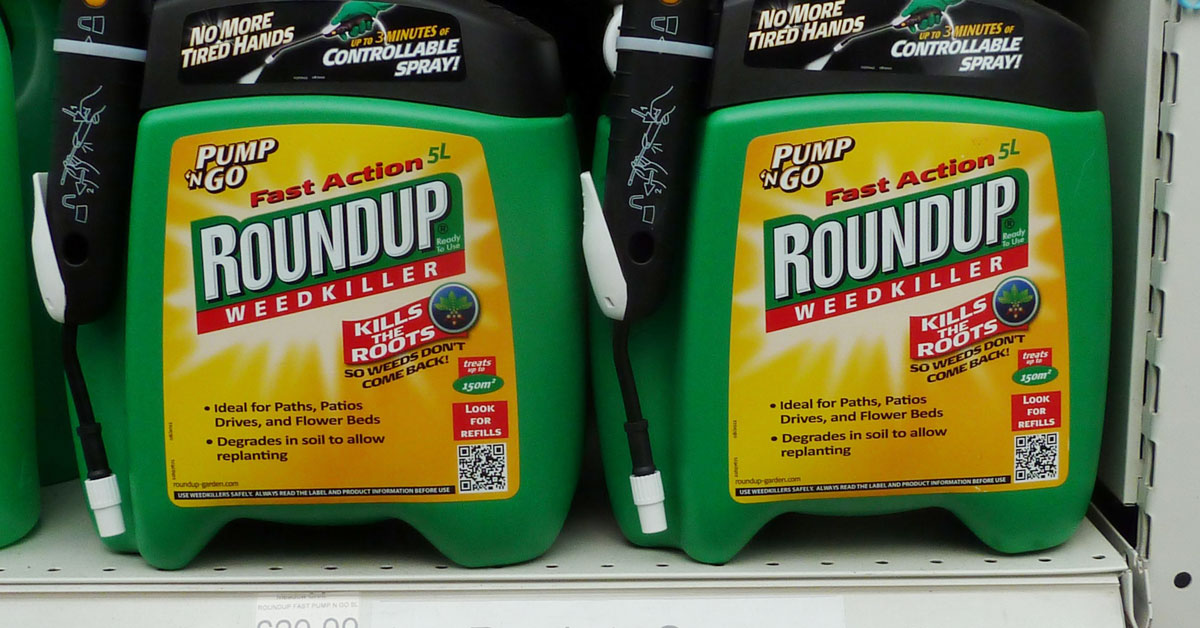
As we reported in Review 565, in early February a three-judge US Circuit Court of Appeals panel rejected Bayer’s argument that federal regulators’ approval of Roundup shielded the company from being sued under state law for failing to warn consumers of the product’s risks. Now Bayer has asked the full 11th Circuit Court to reconsider, for the second time, the three-judge panel’s ruling that it couldn’t shield itself from Roundup-related lawsuits by invoking the legal doctrine of preemption, in which federal law overrides, or preempts, state law. Several other US appeals courts have previously ruled against Bayer in similar lawsuits after reaching exactly the same conclusion as the three-judge panel.
Bayer-Monsanto claims California court case win – but it looks like a fix
On 5 March 2024 in California’s Sonoma County Superior Court, plaintiffs voluntarily dismissed their own case against Roundup manufacturer Bayer-Monsanto after two days of testimony in a jury trial. Bayer’s lawyers promptly claimed this as “a major victory”, but the legal news portal Lawyers and Settlements suggests it was anything but. The plaintiffs’ attorney told The Press Democrat that his clients asked for the dismissal, but he declined to elaborate. Lawyers and Settlements says this has the hallmarks of “take the money and run”. “Sure sounds like the Bayer lawyers looked at the testimony so far and decided it’d be cheaper to hand the plaintiff a bag of money and put the case behind them,” one Press Democrat reader commented. In other words, Bayer had no hope of winning, so they paid heavily to make the case go away so they could claim it as a win.
Philadelphia judge rejects Bayer-Monsanto's “indignant, self-promotional” challenge to $175 million Roundup verdict
A Philadelphia judge has upheld a $175 million Roundup verdict against Monsanto. Judge James Crumlish III of the Philadelphia Court of Common Pleas rejected Monsanto’s challenge to the verdict, about a month after the judge shut down the company’s efforts to boot him off the case (as we reported in Review 565). The judge was critical of Monsanto's tactics and not only upheld the $175 million verdict against the company, but added a further $2.3 million in damages for delay. He sharply criticized Monsanto for “aggressively blaming the court and plaintiff’s counsel for the outcome”.
Judge rejects Bayer-Monsanto’s challenge to another Roundup-cancer verdict
In a second case, Philadelphia judge James Crumlish III has upheld another Roundup-cancer verdict against Monsanto’s post-trial challenge, rejecting their claim that insufficient evidence was presented that Roundup caused the plaintiff’s cancer. He disagreed with Monsanto’s argument that the plaintiff’s failure-to-warn claim was barred because Roundup’s label had been approved by the EPA. He also granted the plaintiff’s request that Monsanto pay about $44,000 extra in delay damages.
Bayer’s $1.5 billion Roundup verdict slashed to $600 million in expected reduction
A Missouri judge, while refusing to grant Monsanto’s post-trial requests that he order a new trial or throw out the entire verdict, did agree to slash the $1.5 billion punitive-damages portion of a Roundup-cancer award to just over $600 million. The reduction was entirely expected because the US Supreme Court has said punitive damages must be proportional to the compensatory awards underlying them and has limited punishment judgments to ten times actual damages, and the judge reduced the punitive damages to meet the Supreme Court threshold.
Bayer weighs “Texas Two-Step” bankruptcy filing over Roundup

After being hammered over the last four months with Roundup-cancer jury verdicts against it totalling about $4 billion, Bayer is said to be looking to shut down all litigation via the “Texas Two-Step” bankruptcy tactic. This bankruptcy manoeuvre gets its name from the use of a Texas state law that lets companies split their assets and liabilities into separate units, then place the unit loaded with liabilities into bankruptcy to drive a global settlement. “The pursuit of this strategy looks like a strong sign that the company is more interested in delay than honouring the legal rights of cancer patients or a comprehensive settlement at a fair price,” said Melissa Jacoby, a University of North Carolina law professor and bankruptcy expert. Though a federal appeals court and a US bankruptcy judge in New Jersey have shot down previous attempts by another company to use a unit’s Two-Step bankruptcy case to persuade the plaintiffs suing it to settle, the strategy still “allows defendants to shut down all tort litigation indefinitely”, Bloomberg reports.
POLITICAL DEVELOPMENTS
Sick because of Roundup? These bills could make suing impossible
Bayer is lobbying state legislatures to shield it from future lawsuits and to annul at least some of the 50,000 claims that are currently active, the New Republic reports. Since January, bills to shield pesticide manufacturers from lawsuits have been filed in three states where Bayer has a major corporate presence: Missouri (where Monsanto is headquartered), Idaho (where it has a phosphate mine and processing plant for making glyphosate), and Iowa (where it has a manufacturing plant that makes large amounts of Roundup). Daniel Hinkle, an attorney with the American Association for Justice, who works with trial lawyer associations throughout the country, predicted that if these bills succeed, Bayer will push similar legislation in a number of other states next year.
Inside Bayer’s state-by-state efforts to stop pesticide lawsuits
As the agrichemical giant lays groundwork to fend off Roundup litigation, its use of a playbook for building influence in farm state legislatures has the potential to benefit pesticide companies nationwide. At the same time, the pesticide industry’s trade association CropLife America is working hard to pass a federal law that would bar states from passing their own laws that restrict pesticide use based on risks. Civil Eats provides an excellent detailed report that includes some particularly telling quotes. One is from a Republican legislator in Idaho: “We’re sacrificing our future for the present. I don’t think giving lifetime immunity to multi-billion-dollar pharmaceutical companies was on our constituents’ bingo card when they sent us here.” (For more on what’s happening in Idaho, see below.)
Bayer leads new Big Ag coalition to voice support for stopping pesticide victims being able to sue the manufacturers
The Modern Ag Alliance, set up and led by Bayer, claims to be an organisation of key agricultural stakeholders fighting to protect “US farmers’ access to the crop protection tools they need” in the face of “global food shortages”. But the key reason for its existence seems to be voicing support for legislative solutions (see above and below) that stop pesticide victims being able to sue the manufacturers, who will be able to hide behind EPA approval. The Alliance is encouraging farmers to contact their legislators to share their support – “The future of farming in America may depend on it!”
Iowa Senate votes for bill proposing legal immunity for pesticide manufacturers

In March, Iowa’s Senate Appropriations Committee approved Bill 3188 – a bill that Bayer has lobbied for and helped to write, which gives legal protections to pesticide manufacturers over their failure to adequately warn consumers about the potential health risks associated with use of their products. In April, the bill (Senate File 2412) was adopted by the Iowa Senate. In order to appease Republicans, these liability protections do not apply to Chinese state-owned companies – a move targeting Syngenta, which is owned by ChemChina. A bill with the same approach is currently sitting in Iowa’s House Ways and Means Committee (after being notably rejected by the House Agriculture Committee), waiting to see if the industry can garner enough support to pass the legislation in both houses.
Immunise Roundup's maker from liability? Stop favouring corporations over Iowans
Tommy Hexter, Democratic candidate for Iowa House District 53 and rural organiser and educator with the Iowa Farmers Union, asks in the Des Moines Register: Will Iowans continue to elect legislators who are funded by agribusiness associations that listen to industry needs only and continue following the certain death trap of chemicals and pollution? Hexter points out that Iowa has the fastest-growing cancer rates in the nation and the largest use of Roundup. He says the Iowa Association of Justice points out that the claim that Americans can rely on EPA labels to guarantee safety is easily disproved when you note that it was not until March 2024 that EPA banned asbestos after nearly 70 years of scientific studies demonstrating that it causes harmful lung diseases. He also says, “The argument that farmers are in support of this legislation is untrue. I testified as a representative of the Iowa Farmers Union, and I was confidently able to claim that we hadn't received any member support for this bill and that our organisation supports the ability of our farmers to seek relief for pesticide injury.”
Squelching failure-to-warn claims for pesticide companies could squelch all product liability claims
An Associated Press piece on Bayer's attempts to get lawmakers in key states to protect it from legal redress reports concerns that the legislation could also stifle any product liability claim, and not just those for pesticides, since most such lawsuits rely on the failed-to-warn claim. It also quotes John Gilbert, a farmer on the board of the Iowa Farmers Union, as saying of Bayer’s bill, “No amount of perfume’s gonna make it anything but a skunk.”
Bayer-Monsanto has poured money into Iowa politics for years
Bayer and Monsanto have collectively poured over $530,000 into the campaign coffers of Iowa’s state-level politicians since 2002. From 2002-2018, Monsanto donated $456,641.95 to state-level politicians and Bayer has chipped in $80,250 since 2018, according to Iowa Ethics and Campaign Disclosure Board records. Some of the biggest recipients include Gov. Kim Reynolds; former Gov. Terry Branstad; current Iowa Secretary of Agriculture Mike Naig; Naig’s predecessor, the late Bill Northey; Iowa House Speaker Pat Grassley; and former Iowa Senate Majority Leader Mike Gronstal. Bayer has multiple crop science plants in Iowa, including one in Muscatine that manufactures Roundup.
Idaho bill to shield Bayer from lawsuits shot down but promptly reintroduced
In Idaho a Senate committee narrowly voted Bayer’s bill down, but Civil Eats reports that “a new version of the bill was then introduced in the House, with small tweaks meant to get some of the doubting lawmakers on board. However, it was scheduled to be presented in a House committee in early March, when, to everyone’s surprise, lawmakers deleted it from the agenda hours before the meeting started. Then, a slightly modified version was introduced in the Senate”. The bill was originally introduced by Idaho Senator Mark Harris, a Republican who represents Soda Springs, where Bayer operates a 540-acre processing plant to manufacture glyphosate. Rather than make his own case for giving pesticide companies immunity from claims of health harms, he turned his time over to James Curry, Bayer’s deputy director of state and local government affairs.
Missouri House advances measure shielding Bayer from Roundup lawsuits
A nearly identical bill to the ones introduced in Iowa and Idaho – with wording supplied by Bayer – was passed by the Missouri House of Representatives on 17 April. The bill, which, like the others, would protect pesticide companies from claims they failed to warn that their product causes cancer, passed in a voice vote despite some bipartisan opposition. The legislation needs one more vote in the House before advancing to the Senate for further consideration.
US: Let states and communities protect their citizens from pesticides
At a national level, the Environmental Working Group says that over 140 US mayors, lawmakers and other officials from over 30 states are standing together to urge Congress to reject legislation that would limit longstanding state and local pesticide safety rules. They’re joined by hundreds of members of Congress and 185 environmental, health and agricultural organizations. They are concerned that if some members of Congress get their way, pesticide makers could undermine state and local governments’ right to adopt rules that protect communities from exposure to toxic crop chemicals. They’re looking to make their case during debates over this year’s farm bill and federal agency funding. These pesticide manufacturers want to limit states and localities from passing and enforcing additional requirements for warnings and information related to pesticides, bending the rules so that people sickened by exposure to these chemicals can’t seek any remedies. Pending House and Senate bills in the US Congress would achieve the companies’ goal.
US Action Alert: Tell your state legislators to protect the right of citizens to seek redress against pesticide manufacturers for harm caused by their products
If you're in the US, please take action at the link above.
Lawsuit aims to counter pesticide manufacturers’ attempts to shield themselves from liability for harms
Beyond Pesticides has launched a legal case to counter the nationwide campaign by chemical manufacturers aiming to shield themselves from liability cases related to pesticide products.
LaDuke: Bayer, Roundup and the Nazis
Winona LaDuke, the American economist, environmentalist and writer, has written a scathing condemnation of Bayer, saying that its response to concerns about Roundup is not to fix the problem but to try and squash liability. “As we watch Bayer peddling dangerous things and limiting liability, maybe the ethics of Bayer might need another review,” LaDuke writes, and she details some of Bayer’s corporate involvement with the Nazis. There’s more on Bayer’s extensive catalogue of corporate crimes here.
GLOBAL RESISTANCE
Campaigners lobby for glyphosate ban in Spain
One hundred and fifty advocacy groups have petitioned the Spanish government for a transition to pesticide-free agriculture in the wake of a recent study which found levels of glyphosate that “far exceed” the legal limits in Mar Menor, Europe's biggest salt water lagoon.
Dutch farm minister wanted glyphosate ban
A documentary on Dutch TV has revealed that the Dutch farm minister Piet Adema wanted a ban on glyphosate but the Dutch cabinet would not agree to it because of another minister’s concerns that a ban would undermine the credibility of the Dutch pesticide regulator Ctgb. Adema’s concerns about the safety of glyphosate were based among other things on conversations he had with professor of neurology Bas Bloem (Radboud University), the world's leading expert on Parkinson’s disease. The Netherlands abstained in the final European Union vote on the renewal of glyphosate in Europe for another 10 years. The Dutch parliament had twice called on the Dutch government to vote against renewal. Almost 300 scientists also called on the governments of both Belgium and the Netherlands to vote no to glyphosate. They pointed out that regulators at both the EU and national levels work within an outdated protocol that strongly favours research commissioned by industry over independent science.
Dutch regulator accused of “explaining away” evidence that glyphosate causes cancer
The Dutch pesticide regulator Ctgb played a leading role in the European Union’s regulatory assessment of glyphosate, but in the recent Zembla documentary on Dutch TV, experts say Ctgb’s glyphosate assessment shows bias and “systematically explained away” research evidence that glyphosate can cause cancer.
Global pesticide ban only way to save us from a health epidemic nightmare
Despite repeated scientific and environmental warnings, world leaders are sleepwalking into a pesticide-fuelled nightmare, warns Saboto Caesar, the Minister of Agriculture for the Southern Caribbean nation of St Vincent and the Grenadines, in an article in Newsweek. “My home country of St Vincent and the Grenadines took the bold step to prohibit glyphosate in a bid to protect our citizens’ health and promote climate resilience. I am now issuing an urgent rallying cry for similar – and global – action against these poisons,” the minister writes.
Mexico postpones its glyphosate ban
Although Mexico continues to resist US and Big Ag pressure to back down on its GMO ban, it has now postponed its glyphosate ban, which was due to start in April 2024, until other options for weed control are found, reports Carey Gillam. Gillam notes that in 2019 Thailand similarly backed down from a planned glyphosate ban after pressure from US officials and industry actors.
One of Canada’s largest forestry companies has stopped using glyphosate
West Fraser (WF), one of Canada’s largest forestry companies, has announced that not only are they not using glyphosate any longer, but they halted its use in British Columbia in 2019, and all other herbicides too. The company is instead using a variety of other non-chemical techniques. The news has been welcomed by Stop The Spray BC, which has been campaigning for years to end the use of glyphosate by companies working in British Columbia’s forests.
Over 9,500 hectares of forested land in Great Bear Rainforest saved from glyphosate spraying
Most herbicide spraying planned throughout Ma’amtagila territory and neighbouring Kwakwaka’wakw Nations – on northeast Vancouver Island, Canada, and adjacent islands – did not proceed in 2023. This comes after Ma'a̱mtagila and other Kwakwaka’wakw chiefs, band council members, elders, as well as the public and environmental groups, opposed plans to spray glyphosate throughout previously logged forests. “Glyphosate is a pervasive herbicide, threatening the intricate web of life that sustains the land and diminishing biodiversity. It undermines the Ma’amtagila peoples’ deeply-rooted medicinal food harvesting traditions, which are essential to our well-being,” said Gigame Mak'wala, Chief Rande Cook of Ma'amtagila First Nation.
Let forests grow: Public call for a ban on herbicide forest spraying in British Columbia
Sign the notice to the Canadian government asking for a ban on glyphosate and other pesticides in logging.
RESEARCH
How glyphosate is damaging your health – podcast with Prof Michael Antoniou
Drawing on his research, Prof Michael Antoniou explains how glyphosate herbicide exposure can affect our health. He also explains how we can minimise our exposure to this and other pesticides in a podcast interview hosted by two functional medicine doctors.
For thousands of common chemicals, there is “no safe level”, says report
Regulators have assumed that sufficiently low doses of toxic chemicals are safe. But in a new report, scientists from the Endocrine Society and the International Pollutants Elimination Network have criticised how regulators determine the toxicity level of chemicals – and suggested that for a staggering array of common compounds, no dose may be safe. The report points to mounting evidence that a wide array of compounds, including pesticides such as glyphosate, play an insidious role in chronic disease. These compounds are known as endocrine-disrupting chemicals (EDCs) because their size and shape resemble the messenger molecules, or hormones, that human and animal bodies use to govern a wide range of physical systems. It is known, the report says, that glyphosate or glyphosate-based herbicides alter the expression of sex hormones, even at low levels. Studies have found that women in agricultural regions of Indiana were more likely to give premature birth; that pregnant women in Ontario exposed to glyphosate were more likely to miscarry; and that the children of pesticide applicators were more likely to have “neurobehavioral deficits”.
Glyphosate’s “hidden” report
Le Monde has managed by threatening legal action to force the French food and health safety agency ANSES to publish a report kept secret for eight years. The previously unreleased report judges that the tests used by regulators to evaluate the genotoxicity (DNA-damaging effects) of commercial formulations of glyphosate are insufficient.
Coral reefs under threat by glyphosate, toxic pesticides
In a new study screening the impact of three different pesticides (one insecticide, one fungicide, and one herbicide) at three different concentration levels on large benthic foraminifera – single-celled shelled organisms found on reefs – researchers found “even the lowest doses of the fungicide and herbicide (glyphosate) caused irreparable damage to the foraminifera and their symbionts”. Foraminifera are considered bioindicators of coral reef health.
Glyphosate reduces soil biodiversity and decreases the proportion of native species
A recent field study carried out in Martinique showed a reduction in biodiversity of 21% in average species richness in banana plots frequently treated with glyphosate. Plots treated with glyphosate had fewer species of soil fauna on average and lower total numbers of individuals in all links in the food chain. Predators dropped in abundance by -54% and detritivores (invertebrates that feed on plant debris) by -23% in the plots most frequently treated. The study also shows glyphosate favours exotic species over native species in soil invertebrate communities. This result is important for the conservation of biodiversity because invasive exotic species are one of the major factors in the erosion of biodiversity on a global scale. Glyphosate is sometimes used to combat invasive exotic plants in natural environments, which could prove counterproductive and have repercussions on other organisms such as soil fauna. In other words, using glyphosate to attack invasive plants could favour invasive invertebrates.
Study finds positive association between glyphosate exposure and the fatty liver index
A new study looking at US adults has found a positive linear association between the level of glyphosate in their urine and the fatty liver index – a good predictor for the presence of non-alcoholic fatty liver disease (NAFLD). This comes hard on the heels of another recent study suggesting low-dose chronic glyphosate exposure increases diet-induced NAFLD.
Animal studies also confirm low doses of glyphosate increase the risk of fatty liver disease. Prof Michael Antoniou discusses these animal studies in the podcast, How glyphosate is damaging your health..
Another step on the transgene-facilitated herbicide treadmill
Transgenic dicamba-resistant soybean and cotton were developed to enable farmers to combat weeds that evolved resistance to the herbicide glyphosate. However, according to a new and uncompromising article from US scientists, “The dramatic increases in dicamba use these crops facilitated have led to serious problems, including evolution of dicamba-resistant weeds and widespread damage to susceptible crops and farming communities. Disturbingly, this pattern of dicamba use has unfolded while the total herbicide applied to soybean has nearly doubled since 2006. Without substantive changes to agricultural policy and decision making, the next ‘silver-bullet’ agrotechnology will likely be no more than another step on the transgene-facilitated herbicide treadmill” (see MORE TOXICS for confirmation of this).
Glyphosate impairs the stingless bee’s walking activity and fat body morphology and physiology
Exposure of the stingless bee – a vital neotropical pollinator – to imidacloprid, pyraclostrobin, and glyphosate, either alone or in combination, impairs its walking activity and fat body morphology and physiology, a new study has found. The fat body is vital for energy storage, metabolism, and immune response regulation, and so is critical to the overall health and survival of native bee populations.
Study suggests taking an aggressive stance in crisis communications cost Bayer-Monsanto money
A new public relations and crisis communications study tracked 10 years of data and used big data analytic tools to capture shifts in how Bayer-Monsanto and the public discussed a complex legal situation regarding the widely used Roundup herbicide – and how those dynamics related to stock price. The bottom line? When the company took an aggressive stance, its stock price dropped.
MORE TOXICS
Tell USDA: Don’t approve USDA’s new GMO “vaporiser” corn
Bayer’s latest GMO seed is a strain of corn (maize) engineered to be sprayed directly with a record mixture of FIVE different herbicides. The Washington DC-based Center for Food Safety (CFS) warns, “If it gets the greenlight from USDA, this new “vaporiser” corn will be planted all over our farms, then drenched with two of the most volatile, damaging herbicides ever invented – dicamba and 2,4-D” – in addition to glufosinate (banned in the EU), quizalofop and glyphosate. CFS says, “The impact on our pollinators and farmland could be devastating. Corn is the most widely grown crop in the US, planted on about 90 million acres each year. And it already accounts for 40% of the pesticides used on farms!” To stop this GMO corn sending pesticide use further skyrocketing, CFS asks those in the US to urgently submit their objections to USDA, as it is only accepting comments for a few more days.
A herbicide so hazardous that courts have banned it twice
In a powerful recent article, Bill Freese of the Center for Food Safety lays out how dicamba has been wreaking havoc on farmers, rural communities and the natural world for seven long years since it was approved for spraying on GMO soy and cotton. Just one teaspoon of this herbicide over an acre of tomato plants is enough to stunt their growth. It vaporises while being sprayed, but also can evaporate from plant surfaces and soil days after. Once the vapour is airborne, it forms clouds that drift long distances to kill or injure virtually any flowering plant in its path. Dicamba has drifted rampantly from GMO fields, damaging millions of acres of non-dicamba-resistant soy. Wave after wave of dicamba vapour drift has killed fruit trees. Vegetable farms and gardens have been devastated. Trees in natural areas have suffered. And beekeepers have reported steep drops in honey production. The only real solution to weed resistance, says Freese, is less reliance on herbicides and abandonment of the GMO herbicide-resistant crop systems that are such potent promoters of weed resistance. More use of cultural techniques like complex crop rotations and cover crops also suppress weeds.
Twice banned but will it do any good?
In February of this year, a federal court in Arizona vacated the registrations of dicamba for over the top use on GMO crops. But despite that, the EPA said it would still allow millions of gallons of dicamba to be sprayed this upcoming growing season, just as it did when dicamba was preciously banned by a US appeals court in 2020. But even if the EPA doesn’t attempt to reauthorise dicamba use again for next year, the pesticide regulation expert Chuck Benbrook warns that although that would stop the problematic widespread applications of dicamba on GMO soybeans in the Midwest, many farmers will just switch to GMO soybeans tolerant to 2,4-D, which will mean more of the same.
Maine sues Bayer’s Monsanto over sale of toxic products
Vermont was the first to sue over polychlorinated biphenyls (PCBs). Chicago followed. Then a Washington state jury slapped Monsanto with an $857 million verdict. All say Monsanto was aware of the adverse effects of polychlorinated biphenyls (PCBs) years before they were banned. “We have evidence Monsanto knew that its PCB products were causing long-lasting harm and chose to continue to make money off poisoning Maine’s people and environment,” says Maine’s Attorney General. “I am taking action to demand that Monsanto pay for the harm it knowingly caused our state.” The lawsuit cites internal Monsanto memos acknowledging PCBs were “nearly global environmental contaminants leading to the contamination of human food (particularly fish), the killing of some marine species (shrimp), and the possible extinction of several species of fish-eating birds.” Monsanto allegedly justified continuing to sell PCBs despite the concerns because there was (in Monsanto's own words) “selfishly too much Monsanto profit”. Damages are sought for injuries and contamination, and to clean, monitor and mitigate 400 miles of Maine rivers and streams and 1.8 million ocean acres impaired by PCBs.
East St Louis says Monsanto polluted its land. It could collect billions in fines
East St Louis is alleging the old Monsanto plant in Sauget polluted its town, and it’s seeking what could potentially be billions of dollars in fines. It accuses Monsanto of hiding what it knew about the toxic effects of PCBs. “Despite its early knowledge of the dangers associated with PCBs, Monsanto embarked on a decades-long campaign of disinformation and deception in order to prolong the manufacture, incineration, and disposal of PCBs in East St Louis and thereby preserve the considerable profits PCBs generated for the company,” the city states in its lawsuit. The Illinois Attorney General’s office is also suing Monsanto and its successor companies, alleging pollution from the Sauget plant and deceit surrounding the dangers of PCBs in a separate federal lawsuit out of the Northern Illinois District Court.
Citing “catastrophic disaster”, small Massachusetts town sues over PCB contamination
Monsanto and General Electric (GE) engaged in a “criminal corporate action” through a secret 1972 deal that allowed the companies to keep profiting from the sale and use of dangerous PCBs despite knowing they were harmful, according to a lawsuit filed by a small town awash in PCB contamination. The Town of Lee, located in western Massachusetts, accuses the companies of creating a “catastrophic disaster” for residents by polluting the area with PCBs, which have been linked to cancer and other human health problems. The lawsuit says Monsanto knew about the danger of PCBs but went on producing them for years. “It was withheld from the public, they had studies done of employees with the names of the employees redacted, but the cancer rates were through the roof.”
Seattle vs Monsanto: Battle over PCB pollution intensifies ahead of trial
Having lost its bid to end the city of Seattle’s lawsuit over PCB contamination, which alleges Monsanto engaged in decades of deception regarding the harmful effects of PCBs, Monsanto is now trying to exclude evidence related to its alleged negligence in the design, manufacture, and sale of PCBs. The case is expected to go to court in September.
Three French scientists provide “a few simple tools for selling poison”
In a satirical article published in Le Monde, researchers Marc Billaud, Julie Noirot and Pierre Sujobert, who are concerned about the massive release of toxic substances into the environment, expose the rhetoric used by certain industries to defend their hazardous activities. The scientists’ “simple tools for selling poison” include:
* Emphasise hidden intentionality – your critics may advance their views with science, but dismiss these troublemakers as activists, secret ideologues, or even terrorists!
* Use intimidation: Make yourself feared. Surround yourself with a host of lawyers threatening suits for defamation and stir up trolls to saturate social media. Have no qualms about tarnishing the scientific reputation of your opponents. Aim low, slander in all directions.
* State your noble purpose. Enriching yourself doesn’t play well with detractors, so claim you’re fighting world hunger (if you sell pesticides).
You’re also safeguarding the jobs of those who make your poisons. So now you look like a humanitarian concerned about social issues!
Class action for local residents harmed by pesticides
France has a compensation fund for farmers and other victims of pesticides who use them professionally, but nothing for local residents who may have been harmed. So lawyer and former French environment minister Corinne Lepage has launched a class action lawsuit for those living less than 150m from farm fields who have become ill due to the pesticides used in their locality.
UK: Labour to end exemptions for bee-killing pesticides outlawed by EU
Labour will end exemptions for bee-killing pesticides that have already been outlawed in the EU but which the UK government has continued to approve for four years in a row, the shadow environment minister said. In March the UK government authorised the use of the neonicotinoid thiamethoxam on sugar beet crops – against the advice of its own scientists, who said it would pose a threat to bees. Prof Dave Goulson, a bee expert at the University of Sussex, has warned that one teaspoon of the chemical is enough to kill 1.25 billion honeybees.
Amnesty International: Dow’s failure to offer remedy for Bhopal disaster has created a “sacrifice zone”
The failure of the US-based chemical company Dow to provide remedy to victims of a deadly gas leak from a pesticide plant in India that resulted in the deaths of more than 22,000 people has created a “sacrifice zone” in which 500,000 more continue to suffer, Amnesty International has said in a new report published ahead of the 40th anniversary of one of the world’s worst industrial disasters. Issued before Dow’s Annual General Meeting of shareholders on 11 April, Bhopal: 40 years of Injustice shows that the human rights-based case for justice and reparations for Bhopal survivors has never been stronger.
The Bhopal pesticide plant was owned by Union Carbide, which Dow purchased to gain full control over Carbide’s assets and benefits. But because Dow has tried to walk away from Carbide’s liabilities, Amnesty is calling on companies and states to consider withholding business from Dow until it recognises its human rights responsibilities and takes meaningful and rapid action to redress the catastrophic and lasting harms. Amnesty’s report also highlights how the US government, through sometimes covert lobbying, pressured the Indian government to allow American nationals to escape criminal justice and assisted in efforts to frustrate and delay extradition efforts and the serving of court summonses on Dow.

..................................................................
We hope you’ve enjoyed this newsletter, which is made possible by readers’ donations. Please support our work with a one-off or regular donation. Thank you!
- Details
"Mexico is a sovereign nation with the right to determine the future of its food supply" – public interest group CBAN
- Details
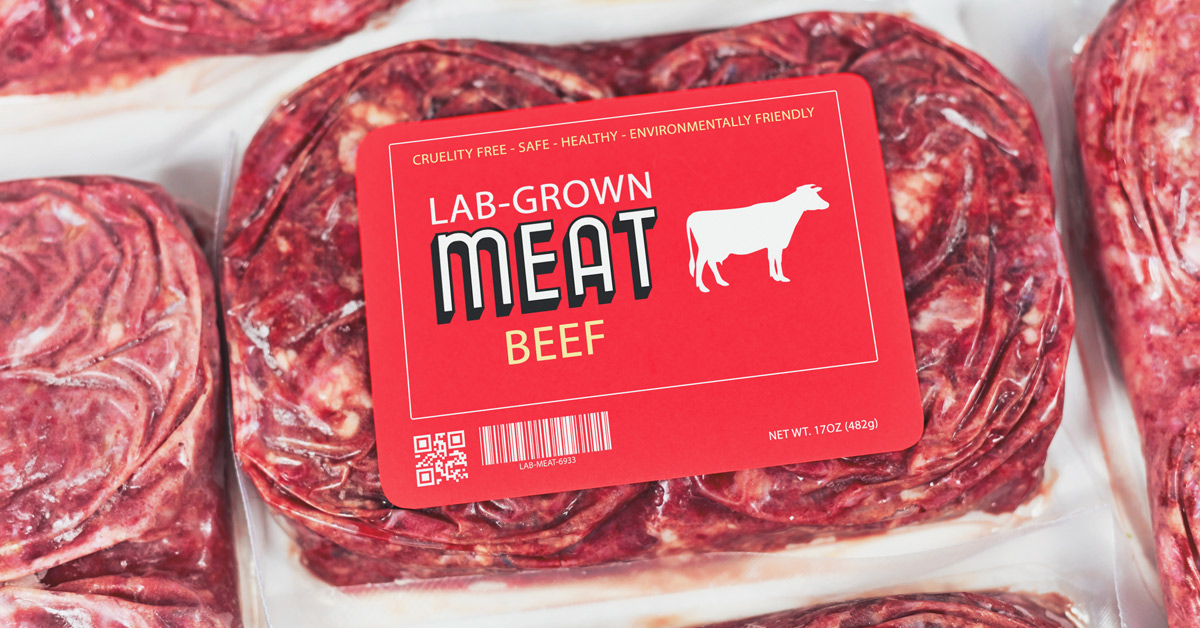
Slashing regulations around other novel foods/GMOs also on the menu. Report: Jonathan Matthews
- Details
As some EU and UK politicians race to remove regulatory safeguards from new GMOs, news continues to come in about the failure of first-generation GMOs (see GM WHEAT AND BARLEY) and the trade problems they give rise to (see CONTAMINATION and MEXICO'S GMO RESTRICTIONS ARE JUSTIFIED). It is particularly ironic that at a time when governments and regulators around the world are being pressured to streamline their GMO regulations, with the US as the explicit or implicit model to follow, the US regulatory system is being exposed as a complete sham, designed to promote GM food acceptance rather than ensure safety (see MEXICO'S GMO RESTRICTIONS ARE JUSTIFIED).
Meanwhile the GM purple tomato developed in the UK has gone on sale to home gardeners in the US, prompting the reappearance of unsubstantiated claims of health benefits (see GM TOMATO) and a new patent dispute with a non-GMO seed company - see PATENTS ON SEEDS for details and for several other important items on how patents are instilling fear into seed breeders (see also SEED FREEDOM). And look out for a diverse array of other GMO content covering such things as GENETIC DETERMINISM, NON-GMO ALTERNATIVES, GMO MICROORGANISMS, and more.
GM WHEAT AND BARLEY
No to GM wheat!
On 26 January 2024, a food sovereignty alliance from Latin America, Africa, and Asia approached seven UN Special Rapporteurs for their urgent intervention to block the cultivation and trade of GM wheat HB4. This follows the approval in Argentina, Brazil, and Paraguay of the commercial production of this GM wheat variety and the approval in South Africa, Colombia, Nigeria, New Zealand, and Indonesia of the importation of the GM wheat, suggesting a widespread failure in biosafety governance across the globe. The groups are urging the governments of Argentina, Brazil, and Paraguay to suspend or revoke all authorisations for the commercial growing of GM HB4 wheat. They recommend that the government of Paraguay revokes Resolution No. 556/2023 – through which transgenic HB4 wheat was approved – and reforms the GMO regulatory framework, by way of an open, transparent participatory process, with emphasis on the need to protect the rights of Indigenous people and peasant communities. They also recommend that the government of Argentina bans the cultivation of GM wheat in the country.
Organisations around the world warn of GM wheat risks and low yields
The Argentine newspaper Página 12 has published a report by the investigative journalist Dario Aranda on the call, endorsed by over 100 food sovereignty movements in the Global South, for the United Nations’ intervention over GM wheat. In their detailed document, the social movements, peasants, and Indigenous peoples point out the lack of independent studies affirming the safety of the GM HB4 wheat commercialised by the Bioceres company (nicknamed “the Argentine Monsanto”). They also denounce the dangerous herbicide glufosinate ammonium (long banned in the European Union), which HB4 wheat is engineered to tolerate. They also flag up that in addition to the absence of safety testing, official Argentine government data shows that the GM wheat is less productive than conventional wheat.
GM wheat, barley field trials proposed in Australia
Field trials of GM wheat and barley are proposed in South Australia, in a project of the University of Adelaide.
GM TOMATO
As GM purple tomato goes on sale to home gardeners in US, dubious cancer claims reappear

Recently NPR ran a story reporting that the GM purple tomato, genetically engineered with genes from snapdragons to contain high levels of the antioxidant anthocyanin, is now on sale to home gardeners in the US.
But there are lingering doubts about whether it's safe to eat – and that even applies to the intended change of high antioxidant levels, let alone the GM process-induced unintended changes.
And dubious claims about the tomato’s supposed “cancer-fighting” ability have resurfaced, in spite of the fact that they were debunked back in 2008 by the UK's National Health Service and Cancer Research UK, among others.
Revealingly, the NPR article, after indulging in the obligatory pro-GMO hype, describes conventionally bred anthocyanin-rich purple tomatoes that have been available for years. Jim Myers, the plant breeder responsible for the Indigo family of purple tomatoes, says there are now more than 50 cultivars of the Indigos being grown and bred throughout the world. “There’s just all this diversity in the Indigo market class that has come about through conventional breeding,” he says. “With the GMO tomato, it's taken them all this time and more to get one variety out there.”
There's some history about the GM purple tomato here. This GMO has already become mired in a patent dispute (see PATENTS ON SEEDS, below).
GM BANANA
GM banana claimed to be resistant to Panama disease given approval for Australian consumption
A GM banana claimed to be resistant to Panama disease has been given approval for consumption in Australia. The GM banana has been developed as an industry back-up in case Panama TR4 disease breaks out, but will not replace the Cavendish variety. Scientists used a gene from a wild banana that is almost immune to the disease and placed it in a Cavendish variety. The GM banana was developed by Prof James Dale, leader of the banana biotechnology program at the Queensland University of Technology. GMWatch comments that this GM banana is unlikely to have robust disease resistance.
FSANZ fails responsibility for duty of care as untested GM bananas get go-ahead
Food Standards Australia New Zealand (FSANZ) has not required evidence of the safety of the GM bananas it approved for consumption (see above) and there has been no testing in feeding trials, writes GE-free NZ. The approval is in tandem with the Office of the Gene Regulator (Australia) allowing planting of the bananas if there is an outbreak of the fungus that causes the soil borne Panama Disease. The plants won't be grown or eaten immediately, but are being rubber-stamped for future rollout. Approvals of GM bananas is of great concern to the local banana industry developing in New Zealand, where there is no soil borne Panama disease. Growers in other countries with diverse varieties do not have the vulnerability that monoculture has created for the Australian industry. Bananas are a first baby food and lack of safety would have serious implication for infants.
CONTAMINATION
EU flags unauthorised GM ingredients in Chinese rice noodles, sparks food safety debate
In a recent development that has stirred concerns over food safety and regulatory compliance, the EU’s Rapid Alert System for Food and Feed (RASFF) flagged a batch of Chinese rice noodles for containing unauthorised GM ingredients. The RASFF report detailed the detection of unauthorised GM ingredients in the rice noodles, prompting immediate action by Dutch authorities. The product, which had not yet been placed on the market, is now subject to either redistribution or destruction. Since 2006, GMO rice has been regularly found in the EU despite there being supposedly almost zero commercial cultivation of GMO rice anywhere in the world — apart from a small amount in the Philippines in the last year.
MEXICO'S GMO RESTRICTIONS ARE JUSTIFIED
Mexico’s precaution on GM corn safety is justified
A Presidential decree has banned the use of GM corn for food in Mexico. But the governments of the US and Canada are using the US-Canada-Mexico trade agreement (USMCA) to challenge Mexico’s actions. The purpose of Mexico’s restrictions on GM corn is to safeguard the integrity of native corn from GM contamination and to protect human health. The purpose of the US and Canadian challenge is to defend the interests of the biotechnology industry. The US and Canada want to force Mexico to open its market to all GM foods and seeds. Canada is supporting the US challenge (as a third party in the dispute) even though Canada does not export any corn to Mexico. Mexico has the right to restrict the use of GM corn. The US argues that Mexico’s actions are not based on scientific principles, but the government has sufficient science to justify its precautionary policies, writes Lucy Sharratt of CBAN.
Mexico defends GMO corn restrictions with science
In its 200-page response to the US in the USMCA trade dispute (see item above), Mexico has shown it has the latest independent science firmly on its side. The risks from direct consumption of GMO corn are laid out by Mexico, with 13 pages of evidence and 66 academic references from peer-reviewed journals. And the risks from consuming glyphosate residues on GMO corn are laid out by Mexico, with 16 pages of evidence, including 74 academic references.
Mexico points out that lax US regulatory processes fail to ensure safety. It says the US’s USMCA submission, far from proving that Mexico’s measures are not based on science, presents information that lacks scientific rigour, that is dangerously outdated, or that is marked by clear conflicts of interest, such as funding by the biotech industry. The US also selectively cites broad surveys by science agencies, such as that of the US National Academy of Science in a 2016 report. Researchers for the American Academy of Pediatrics commented on the report: “There were no long-term, published epidemiologic studies directly assessing the potential health impact of genetically engineered food and associated herbicide exposure, so conclusions about health were largely made in the absence of available data.”
In addition, Mexico notes:
• US regulatory standards are weak since they do not require animal feeding studies or other safety assessments before a new GM variety is approved.
• The often-cited “4,000+ studies that show GM safety” are rife with these errors. Most come from companies’ own tests when they sought approval from US regulators to commercialise new GM varieties. Few are peer-reviewed. Fewer are based on long-term animal feeding trials.
• Mexico highlights that the US cannot produce a single academic study that shows that the long-term consumption of large quantities of minimally processed GM corn treated with glyphosate is safe to eat. That is why Mexico took the precautionary measures it did.
• Mexico also presents extensive evidence of the risks to native corn varieties from cross-pollination by GMO corn. Such contamination can undermine native corn’s genetic integrity, which is a unique and endangered natural resource valuable not just to Mexico but also to the world.
High levels of genetically engineered toxins and glyphosate in GMO corn pose serious health risks in Mexico
Friends of the Earth (FOE) US has released a briefing backing Mexico's ban on GM corn for human consumption, which FOE recently submitted to the USMCA dispute settlement panel charged with considering the US government's challenge to the ban.
“The US government’s submission to the tribunal is seriously deficient. It lacks basic information about the toxins expressed in contemporary GMO corn varieties and their levels. The US submission also ignores dozens of studies linking the insecticidal toxins and glyphosate residues found in GMO corn to adverse impacts on public health,” according to Dr Kendra Klein, deputy director of science for Friends of the Earth and co-author of the FOE comments.
“The US government has not presented an ‘appropriate’ risk assessment to the tribunal as called for in the USMCA dispute because such an assessment has never been done in the US or anywhere in the world,” said coauthor Dr Charles Benbrook.
The comments show that since the commercial introduction of GMO corn varieties in the 1990s, there has been an approximate four-fold increase in the number of toxins and pesticides used on the average hectare of GMO corn. Subsequently, the levels of genetically engineered insecticidal toxins found in GMO corn grain are 50-100 parts per million (ppm), up from 2-6 ppm – the average when the limited existing GMO corn food safety studies were carried out up to 30 years ago. These levels exceed maximum food tolerances for widely used corn insecticides by 40- to 2,000-fold. The consequences of simultaneous exposures to multiple genetically engineered toxins, along with residues of glyphosate and other pesticides used in growing corn, have not been evaluated – a massive scientific gap in the ability to accurately assess human health risks of GMO corn as it could be utilised in Mexico.
The US’s sham GMO regulatory system cannot ensure safety
The Center for Food Safety (CFS) has released its analysis supporting Mexico in its bid to maintain restrictions protecting its food supply from potentially hazardous GMO corn. CFS maintains that Mexico cannot be forced to rely on US protestations that GM foods are safe, because the US position is based on a sham regulatory system designed to promote GM food acceptance domestically and abroad rather than ensure GMOs are safe. What passes for GMO oversight fails the definition of “regulation” in USMCA, says CFS, since it is not mandatory and is filled with loopholes and inconsistencies, rather than applying generally to all GMOs.
“GMO regulation in the US was crafted by Monsanto, now owned by Bayer, and is a critical part of our government's promotion of the biotechnology industry,” said Bill Freese, science director of CFS and expert on biotech regulation. “The aim is to quell concerns and promote acceptance of GMOs, domestically and abroad, rather than critically evaluate potential toxicity or allergenicity.”
USMCA corn case submissions
The Institute for Agriculture & Trade Policy (IATP) has published a convenient collection of submissions to the UCMCA panel at the link above.
Mexico's GM corn restrictions: Hardline US stance ignores non-GM corn opportunity for US farmers
United States commodity organisations have cheered on the US government as it tries to get Mexico’s restrictions on GM corn declared in violation of the US trade agreement with Mexico and Canada, arguing that it cuts farmers’ export markets and sales revenues. But what if Mexico’s modest restrictions could instead turn out to benefit US farmers who shift to premium non-GM corn markets as international corn prices fall? It sounds counter-intuitive, but it might just be true, writes Ken Roseboro.
Mexico considers adding GMO corn ban to the constitution
Mexico's president has proposed modifying the constitution to ban GMOs and safeguard maize as a pillar of the country's identity and food sovereignty. The environment minister has also emphasised the risks associated with GMO crops and the use of harmful glyphosate. Unsurprisingly, Big Ag is not happy about the proposal to declare Mexico a GMO-free country.
SEED FREEDOM
Argentine president wants to outlaw seed saving
Argentine president Milei’s bill calling for Argentina to join UPOV91 (the International Union for the Protection of New Varieties of Plants) was defeated in Parliament. Now he wants to stop farmers from freely saving seeds via another method – local regulations or a new seed law – reports La Nación. There’s more about UPOV91 here.
PATENTS ON SEEDS
GM purple tomato company targets non-GMO seed company over alleged patent infringement
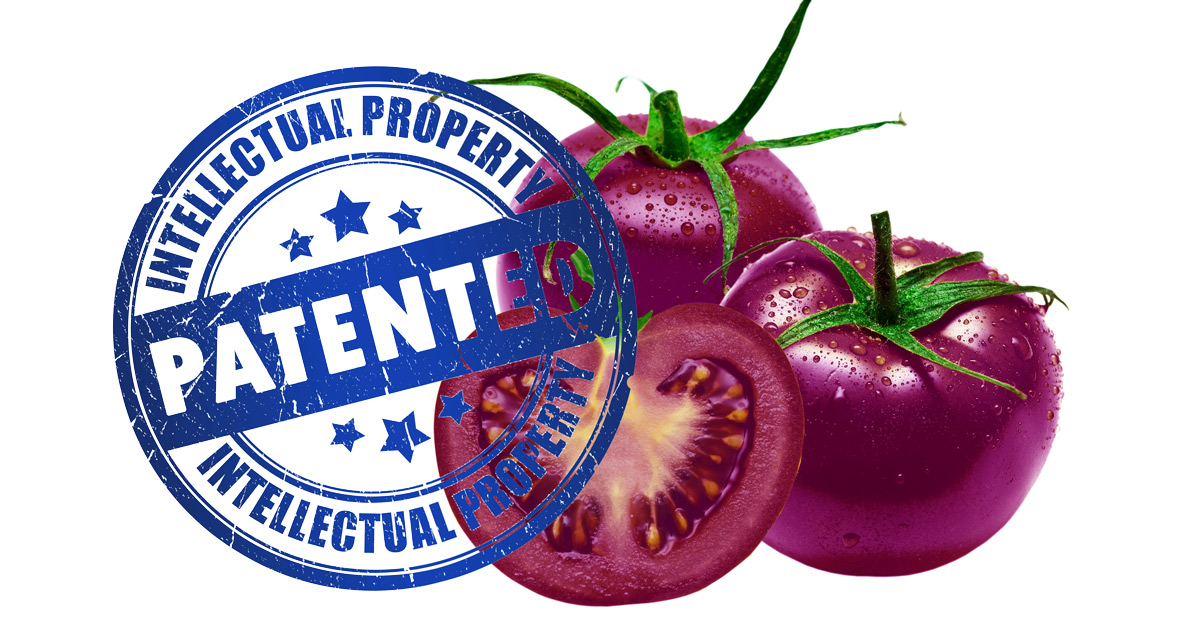
The company that is commercialising the GM purple so-called “anti-cancer” tomato has targeted a non-GMO heirloom seed company over alleged patent infringement. In its 2024 catalogue, Baker Creek Heirloom Seed Company in the US offered a “non-GMO purple tomato”, the Purple Galaxy. Baker Creek said it was then contacted by Norfolk Healthy Produce, the US subsidiary of Norfolk Plant Sciences. Norfolk Healthy Produce, in Baker Creek’s words, “expressed concern that the Purple Galaxy might have been derived from its patented genetically engineered tomato”. Baker Creek withdrew the Purple Galaxy seeds, saying, “Subsequent laboratory testing conducted in conjunction with Norfolk did not conclusively establish a relationship between the Purple Galaxy and Norfolk’s GM purple tomato. Indeed, such contamination should be unlikely in Europe, given its approach to GM crops. But the testing also did not conclusively establish that the Purple Galaxy is truly free of any genetically modified material.” The episode reveals much about the current climate in which plant breeders and seed retailers are increasingly living in fear of legal threats from GMO developer companies.
Prophetic but misleading: Fictitious examples in patents
Many patents in the field of life sciences contain fictitious examples, known as “prophetic”, of how the invention can be realised, reports an article for Inf’OGM. Such imaginary examples enable applicants to increase the scope of their patents. This is a common practice that is now taking on significant proportions. The rapid development and strong competitiveness of this sector encourages its players to file numerous patent applications as soon as possible. This is the case even if, when the patent application is filed, the invention is not sufficiently supported by real examples. This is why applicants resort to “prophetic” examples. In the US, since the early 1980s, the USPTO (US Patent and Trademark Office) has accepted such examples if they are not misleading and have a reasonable scientific basis. The USPTO also requires that they be distinguished from actual examples in the text of the patent. The EPO (European Patent Office) also allows prophetic examples, provided they are reproducible. But a 2021 survey shows that 75% of European patent applicants do not distinguish prophetic examples from real ones in their patent applications.
GMWatch comments that this article is very important, coming at a time when GMO developers and their allies are trying to get patented new GMOs deregulated in the EU, potentially leading to an influx of patented seeds, on the basis of unfulfilled promises of future products.
We’re losing our seed breeders
Public seed breeders, often academics who work to help farmers and gardeners, are rapidly disappearing. All the while, commercial breeders with patented, expensive seeds are consolidating. Farmers want their crops to succeed, and seeds that go through the breeding process can become more resilient to weather or pests. But the lack of diversity in commercial seed options and the dwindling number of public breeders leave farmers with fewer choices — and they’re paying more. Seed prices rose 700% over the last two decades for GM seeds, and around 200% from non-GM seeds. Farmers aren’t the only group with fewer options here. Because private sector breeding often results in patents, public breeders are unable to experiment with most seeds a private breeder produces — leaving some wary.
“The privatisation of actual genetic traits is really troubling,” said Chris Smith, executive director of the Utopian Project, a nonprofit that focuses on crop diversity in the food and farm system. “I should be allowed to work with purple carrot genetics without worrying about being sued. And that’s not our current reality, which is really scary to me.”
"Laying claim to nature’s work": Plant patents sow fear among small growers
For nearly 40 years, Frank Morton has been breeding plants. He began breeding specialty salad greens, once a rarity in the produce market. Using an organic farm system, Morton developed novel lettuce varieties. Though he loves the work, being a small-scale plant breeder doesn’t come without challenges. Over the years, Morton has watched large corporations take over the seed industry, using utility patents to claim seeds as an invention. A utility patent protects an invention from being used, replicated or sold without permission. This has left smaller-scale breeders in limbo, often unsure of what they can and can’t use when developing new plant varieties.
Morton has experienced first-hand the effects of such patents. In 2021, he shared one of his lettuce varieties, the frilly-leaved “Funny Cut Mix”, with a trusted customer who also breeds plants. The customer planned to include “Funny Cut Mix” in their lettuce trials, which plant breeders use to evaluate how well a variety will perform. A few months later, the customer informed Morton that his “Funny Cut Mix” would be excluded from further trials because it looked like a patented lettuce type called Salanova, owned by the Dutch company Rijk Zwaan. Though he didn’t use any patented material to develop “Funny Cut Mix”, Morton’s variety was excluded simply because its appearance might infringe on that patent.
Morton doesn’t blame his customer. Instead, he points to the restrictive system of utility patents and the fear it instills in small-scale seed breeders. GMWatch comments that this is an important article that must be read by anyone concerned with the future of our food and farming. GMOs are an easy way to patent plant varieties, though bad practice at patent offices means that non-GMO varieties are also increasingly patented.
LAWSUIT TO STOP GMOs IN INDIA
GMOs will destroy Indian agriculture, which is non-GMO, and will harm the health of 1 billion Indians and their animals
Hybrid Bt cotton, the only commercialised GM crop in India, has failed conclusively, writes Aruna Rodrigues, lead petitioner in the public interest lawsuit in the Supreme Court of India for a moratorium on GMOs since 2005. Based on this failure and the evidence on GM crops to date, the Union of India’s proposal to commercialise GM herbicide-tolerant (HT) mustard will destroy not just Indian mustard agriculture but citizens’ health. There were five days of intense hearings on this matter in the Supreme Court, ending in January 2024, following the GMO Public Interest Writ that Aruna filed almost 20 years ago in 2005.
She writes, "In these last 20 years, piecemeal hearings have dealt with submissions relating to individual crops like hybrid Bt cotton, the attempted commercialisation of hybrid Bt brinjal (2010) and now the attempt to commercialise hybrid HT mustard. The evidence provided here is a distillation of the critical inputs of those 60+ submissions based on the affidavits and studies of leading, independent scientists and experts of international renown."
GENETIC DETERMINISM
It’s time to admit that genes are not the blueprint for life
The view of biology (and especially genetics) often presented to the public is oversimplified and out of date and scientists must set the record straight, argues a new book by science writer Philip Ball titled How Life Works. In a review of the book, Denis Noble, emeritus professor of physiology and biology at the University of Oxford, writes, "Genetics alone cannot help us to understand and treat many of the diseases that cause the biggest health-care burdens, such as schizophrenia, cardiovascular diseases and cancer. These conditions are physiological at their core, the author points out — despite having genetic components, they are nonetheless caused by cellular processes going awry. Those holistic processes are what we must understand, if we are to find cures... Scientists must take care not to substitute an old set of dogmas with a new one. It’s time to stop pretending that, give or take a few bits and pieces, we know how life works."
GMO MICROORGANISMS
Potential harmful effects of genetically engineered microorganisms on the intestinal microbiome and public health
GMO microorganisms' horizontal gene exchanges might induce multiple human diseases and current regulations do not protect public health, according to scientists who have published a new peer-reviewed paper. They recommend that “Widespread use of natural and genetically engineered intestinal biotics should be halted, and public labelling and clear transparency should be instituted.” The scientists conclude, “It is important to remember that prevention is the most cost-effective strategy and primum non nocere [‘first do no harm’, the first principle of medical ethics] should be the focus.”
EFSA launches consultation on new developments in biotechnology applied to microorganisms
EFSA’s Nutrition and Food Innovation Unit has launched a public consultation on the draft scientific opinion on new developments in biotechnology applied to microorganisms. Interested parties are invited to submit their comments by the 8 April deadline. Pro-GMO lobbyists are trying to have these experimental GMO microorganisms deregulated.
A few microorganisms modified by CRISPR are on the market
Eleven bacteria, 22 yeasts, one endophytic fungus (living symbiotically inside plants), and one micro-alga are either in the pre-commercialisation phase or, in the case of a minority, already on the EU market. These 35 micro-organisms identified by the European Food Safety Authority (EFSA) have been genetically modified with new GM techniques. The main tool used is CRISPR/Cas, in 33 out of 35 cases.
HUMAN GM
“No persuasive justification for pursuing heritable human genome editing” – international experts
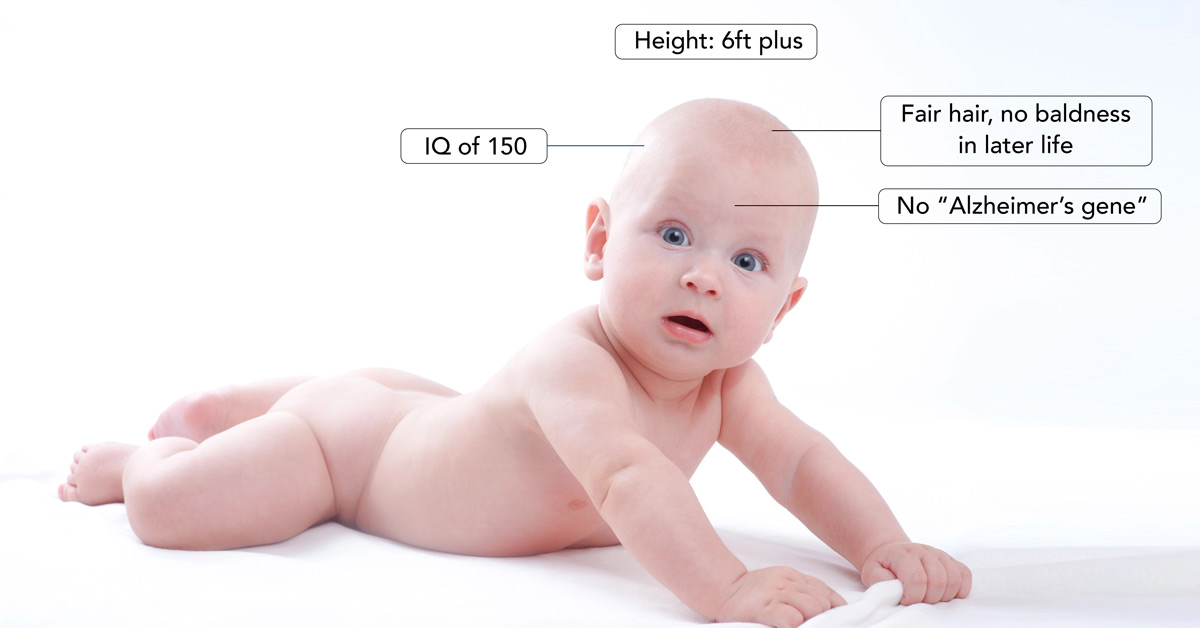
An international coalition of scholars, advocates, and social change organisations has released its “Social Justice and Human Rights Principles for Global Deliberations on Heritable Human Genome Editing”. This document is the first to explicitly centre social justice principles and human rights in the high-stakes deliberations on the potential use of heritable human genome editing – that is, altering the DNA of embryos or gametes to result in genetically modified children. The document concludes that in light of the principles, “it is clear that there is no persuasive justification for pursuing heritable human genome editing”.
NON-GMO ALTERNATIVES
Soy cultivation in Europe is poised to break new ground
Soy cultivation in Europe is anticipated to soar between 5-10% in 2024, reaching an unprecedented 5.3-5.7 million tons. Key soy-producing nations within the EU and in Ukraine and Russia are expected to witness an expansion in soy growing areas.
Red nets signal “stop” to insect pests, reduce need for insecticides
Red nets are better at keeping away a common agricultural insect pest than typical black or white nets, according to a new study. Researchers experimented with the effect of red, white, black and combination-coloured nets on deterring onion thrips from eating Kujo leeks, also called Welsh onions. In both lab and field tests, red nets were significantly better at deterring the insect than other colours. Also, in field tests, onion crops which were either partially or fully covered by red netting required 25-50% less insecticide than was needed for a totally uncovered field.
Bugs protect apples when flowers planted on farms
Bugs including hoverflies, lacewings, and ladybirds play an important role in keeping Britain’s apples healthy, a new study has shown. Wildflower strips planted around apple orchards provide a habitat for predatory insects that prey on pests that deform and damage apples. Flower margins had been established next to five dessert apple orchards in the UK. A research team led by the University of Reading found that only 48% of trees had fruit damage compared to 80% in orchards without flowers.
NEW ZEALAND REGULATORY DECISION
New Zealand GMO watchdog decision risks compromising protection of farmers, environment and health
New Zealand’s Environmental Protection Authority (EPA) has released its decision on “null segregants”, defining them as “not genetically engineered organisms”. This followed the NZ government research institute Plant & Food applying to the EPA to determine if “null segregants” were classed as genetically engineered (GE) organisms. GE Free New Zealand is among those who are unhappy about this decision. Null segregants are GM plants that have been cross-bred to the point where the novel genetically engineered constructs, such as a foreign gene from another species (a transgene), have been “removed but the offspring still express the desired trait change”. In GMWatch’s view – one that is supported by the science underpinning genetic modification as well as, legally speaking, by the Cartagena Protocol on Biosafety – null segregants are new combinations of genetic material and may present new or increased risks. Therefore they need to be regulated and the trigger for that regulation should be the use of GM techniques in their development.
..................................................................
We hope you’ve enjoyed this newsletter, which is made possible by readers’ donations. Please support our work with a one-off or regular donation. Thank you!