



 Landmark study on glyphosate, 2,4-D and dicamba shows so-called safe exposure levels are not safe when ingested as a mixture. Report: Claire Robinson
In response to the spread of glyphosate herbicide-resistant weeds in GM agriculture, the agbiotech industry has developed GM crops tolerant to glyphosate plus 2,4-D and glyphosate plus dicamba, two other herbicides that glyphosate was originally meant to replace. As a result, people are increasingly exposed to mixtures of these herbicides, yet no studies have been conducted to assess the health risks of such chemical cocktails.
Intestinal structure and integrity, as well as gut microbiome composition and function, are recognised contributors to disease. Therefore an international team of scientists, led by Prof Michael Antoniou, investigated the effects of glyphosate alone and in combination with 2,4-D and dicamba on gut structure and function.
The study was designed to reflect two real-world chemical exposure scenarios:
1. Exposure beginning prenatally in the womb
2. A mixture of herbicides to which people, at least in the US, are increasingly exposed.
The scientists have published their findings in a new paper which represents the most comprehensive evaluation to date of the effects of glyphosate and uniquely a glyphosate, 2,4-D, dicamba mixture on gut structure and function in rats.
In the study, Wistar rats were fed from day 6 of pregnancy with glyphosate at the EU “no observed adverse effect level” (NOAEL: 50 mg/kg bw/day) and “acceptable daily intake” (ADI: 0.5 mg/kg bw/day), and with an ADI mixture of glyphosate (0.5 mg/kg bw/day), 2,4-D (0.02 mg/kg bw/day) and dicamba (0.3 mg/kg bw/day). Exposure was then continued until 13 weeks post-weaning. The NOAEL is the dose in industry-sponsored animal studies that regulators conclude has no observed adverse health outcome. The ADI, calculated on the basis of the NOAEL, is the dose regulators assert is safe to consume on a daily basis over a lifetime.
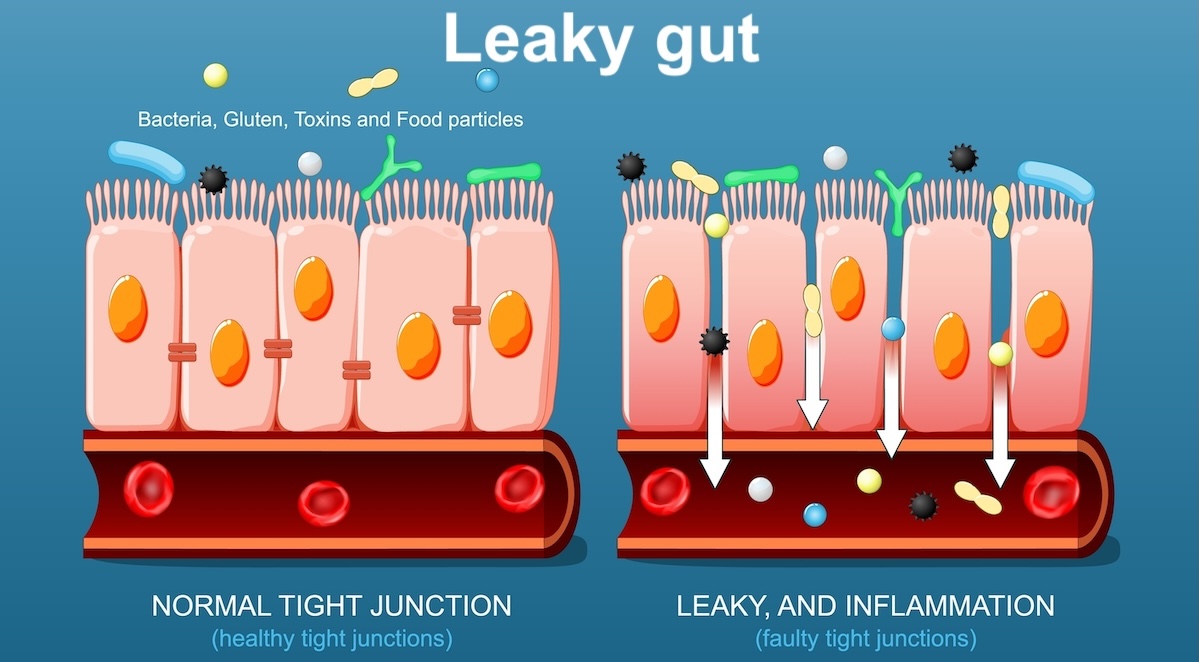
However, the study found that the glyphosate NOAEL and the herbicide mixture ADI doses resulted in gut dysbiosis – imbalance in the composition and biochemical function of the gut, including the microbiome, and compromised integrity in both the small and large intestine ('leaky gut') – with the mixture showing the greatest negative impact.
The findings show that the levels of these herbicides, when ingested as a mixture, have adverse effects and are not safe at all – and that regulatory assurances of safety are false.
The findings in detail
Glyphosate and, to a greater degree, the glyphosate, dicamba, and 2,4-D mixture, resulted in increased gut inflammation and permeability ('leaky gut'), associated with oxidative stress (an imbalance that causes cell and DNA damage) and altered microbial composition. Histological analysis confirmed structural alterations and inflammation in large and small intestine. Effects were more pronounced in the large intestine and in females. The results show that exposure to glyphosate alone and a mixture of glyphosate, 2,4-D and dicamba can cause gut structure and function dysbiosis.
Mechanistically, the findings indicate that the compromised gut integrity (leaky gut) was caused by inflammation, oxidative stress, and alterations in the gut bacterial populations involved in the healthy functioning of the immune system. The herbicide mixture caused a decrease in certain bacteria which are known producers of short-chain fatty acids, substances associated with a more balanced and anti-inflammatory gut environment. Overall, the shift in the bacterial population profile suggested the establishment of a pro-inflammatory condition.
Glyphosate alone at the ADI showed only some histological abnormalities but no biochemical effects, whereas glyphosate at the ADI combined with 2,4-D and dicamba, also at their respective ADIs, showed the most severe gut structural disruption and functional dysbiosis.
Lead author of the study Prof Michael Antoniou commented on the findings: “Our study has regulatory implications. First, it adds to the growing body of evidence showing that the effects of chemical pollutants on gut structure and function should be included in regulatory safety studies. Second, chemical pollutants need to be evaluated for toxicity as mixtures and not only as individual agents, as is currently practised by regulators in all nations.
“Our findings are particularly worrying for citizens of the USA, where there has been a massive escalation in the use of 2,4-D and dicamba along with glyphosate in recent years due to vast field infestation of glyphosate-resistant weeds and the subsequent launch of glyphosate/2,4-D/dicamba-tolerant GMO crops. Indeed, human biomonitoring studies in the US have shown a dramatic increase in urinary 2,4-D and dicamba levels since the introduction of these herbicide-tolerant GMO crops. Thus our findings have serious public health implications.”
The new study:
Mesnage, R., Ferguson, S., Nechalioti, PM. et al. Impact of glyphosate and its mixture with 2,4-D and dicamba on gut biochemical function, intestinal barrier integrity and microbiome composition in adult rats with prenatal commencement of exposure. Arch Toxicol (2026). https://doi.org/10.1007/s00204-026-04409-9
Image: Shutterstock (licensed purchase)