










 They fear the pesticide industry’s response to the Global Glyphosate Study triggered the firing of the Institute’s scientific director
The FP-CGIL trade union, a major Italian union representing public sector workers, is up in arms following the dismissal of the Ramazzini Institute’s scientific director Daniele Mandrioli and the failure to appoint a replacement, writes Alessandra Testa in an article for Corriere di Bologna, a prominent Bolognese daily paper. The article adds that the Ramazzini’s international scientific committee is also protesting against Mandrioli’s dismissal.
The article continues: “The case of the Ramazzini Institute, a non-profit social cooperative engaged in research on cancer and environmental diseases, which has just celebrated the 25th anniversary of the death of its founder Cesare Maltoni, has become a cause célèbre.
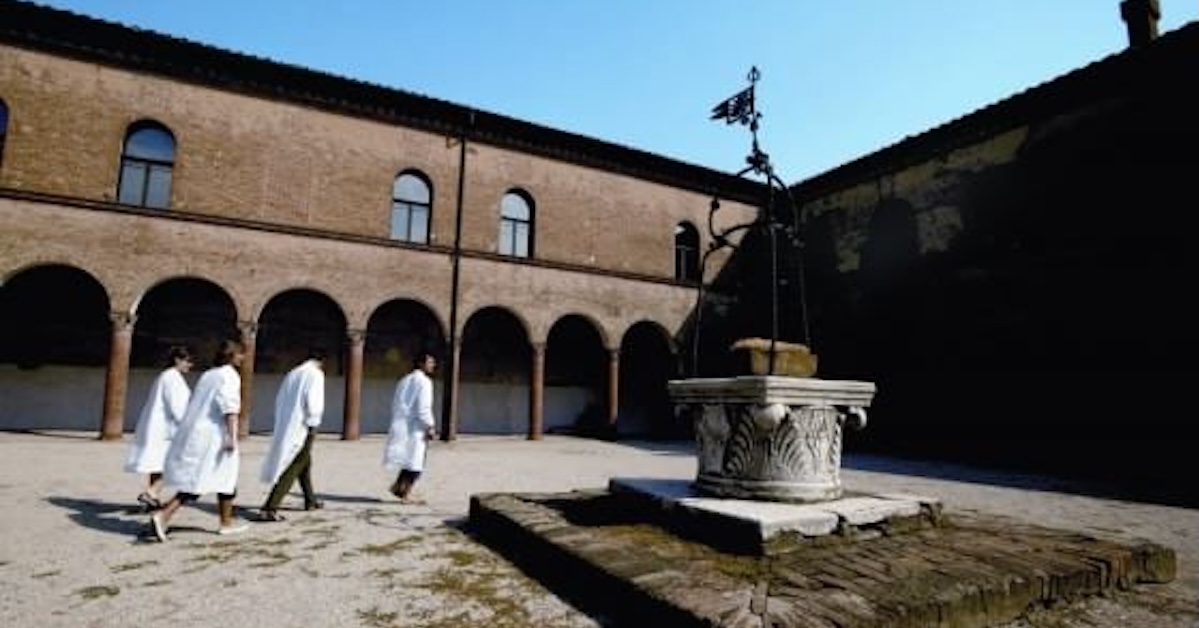
“Researchers who are members of the trade union are taking a stand, and with the support of the FP-CGIL – which is calling for an urgent meeting with senior management, they are raising their voices to defend the independence of scientific research carried out at Castello di Bentivoglio [which houses the Ramazzini’s cancer research laboratories focused on environmental and industrial toxins].
“The fears of the researchers, already expressed in a letter to the Institute’s board of directors, originated last May when the Ramazzini’s scientific director Daniele Mandrioli was suddenly suspended from his position, reinstated twenty days later and then dismissed, supposedly because of institutional reorganisation – the only reason given by the Ramazzini Institute’s president Loretta Masotti.
“‘The FP-CGIL trade union in Bologna,’ the union states, ‘expresses deep concern about recent developments regarding the centre’s management structure. The absence of the director of this area of research and the failure to announce a replacement raise questions that require clear answers.’ First, there is the issue of scientific continuity: ‘We fear that a change of direction could jeopardise the continuation of historical lines of research and the authority of ongoing projects.’”
The union says there are also concerns about job security and the Institute’s future prospects. In recent years, scientific research at the centre has grown exponentially: under Mandrioli’s leadership, important contracts and funding have been secured.
“Among the most recent studies is the Global Glyphosate Study, a multi-year project worth €5 million that has demonstrated the carcinogenicity and toxicity of glyphosate, the most widely used herbicide in the world.
“After its publication in 2025, Mandrioli, a scientist highly regarded by the international community, would have been subject to interference from the chemical industry, as happened to Maltoni in the past for other studies, because the research results caused economic losses to companies in the sector.”
Ramazzini founder Prof Cesare Maltoni was a world-renowned scientist and oncologist who also came under attack from industry after identifying the carcinogenic risks of chemicals like benzene and vinyl chloride.
The article concludes: “The dismissal of Mandrioli, made official in January, was also criticised by the international scientific committee of the Ramazzini Institute, composed of experts in oncology and public health, and the Collegium Ramazzini, an independent international scientific academy composed of 180 doctors and scientists from 45 countries, who expressed their disappointment and publicly requested explanations for a decision that, in their opinion, appeared to be influenced by particular interests that were challenged by scientific evidence.”
Image of the Ramazzini Institute: Silvestro Ramunno via Wikimedia Commons, licensed under CC BY-SA 4.0 licence