


GMWatch
  • Home
    • Newsletter subscription
    • News Reviews
    • News Languages
      • Notícias em Português
      • Nieuws in het Nederlands
      • Nachrichten in Deutsch
    • Archive
  • Resources
    • Non-GM Successes
    • GM Myth Makers
    • Gene Editing
    • GM Quotes
    • GM Myths
    • GM Firms
      • Monsanto: a history
      • Monsanto: resources
      • Bayer: a history
      • Bayer: resources
    • GM Booklet
    • GM Book
      • Recordings of scientist Arpad Pusztai interviewed by journalist Andy Rowell
  • Donations
  • Contact
  • About
  • Search
  • Test

News

 Here is the latest news on GM issues. We try to update it daily.

Groups take legal action against authorisation of gene-silencing pesticide

Details
Published: 20 May 2026


Belgium has granted permission for emergency use of an RNAi pesticide even though it's not approved at EU level

Read more …

The deregulation of new genomic techniques is biologically nonsensical

Details
Published: 19 May 2026


Scientists explain that gene editing isn’t precise and gene-edited plants are not ‘natural-like’

Read more …

New report highlights gap between “new GMO” hype and global market reality

Details
Published: 19 May 2026


Virtually no market uptake and unproven sustainability benefits contrast with rapid regulatory change. Report: ENGA

Read more …

Greek agronomists’ association slams EU GMO deregulation plans

Details
Published: 18 May 2026


Deregulation proposal favours political and economic objectives at the expense of the precautionary principle and the public interest, say agriculture experts

Read more …

Public event in Athens, Greece: Experts warn on EU plans on new GMOs

Details
Published: 15 May 2026


Scientists, organisations, and representatives of political parties call on Greek MEPs to vote against deregulation of new GMOs. Report: Claire Robinson

Read more …

European food retailers call for labelling and traceability of new GMOs, protection from patent claims

Details
Published: 05 May 2026


Trilogue negotiations between the EU institutions resulted in the removal of these important safeguards, a decision which Parliament must reverse

Read more …

Don’t look, don’t find: UK government blinds itself to risks of new GMOs

Details
Published: 02 May 2026


GMWatch publishes scientific analysis of the weakened regulations and accompanying guidance documents

Read more …

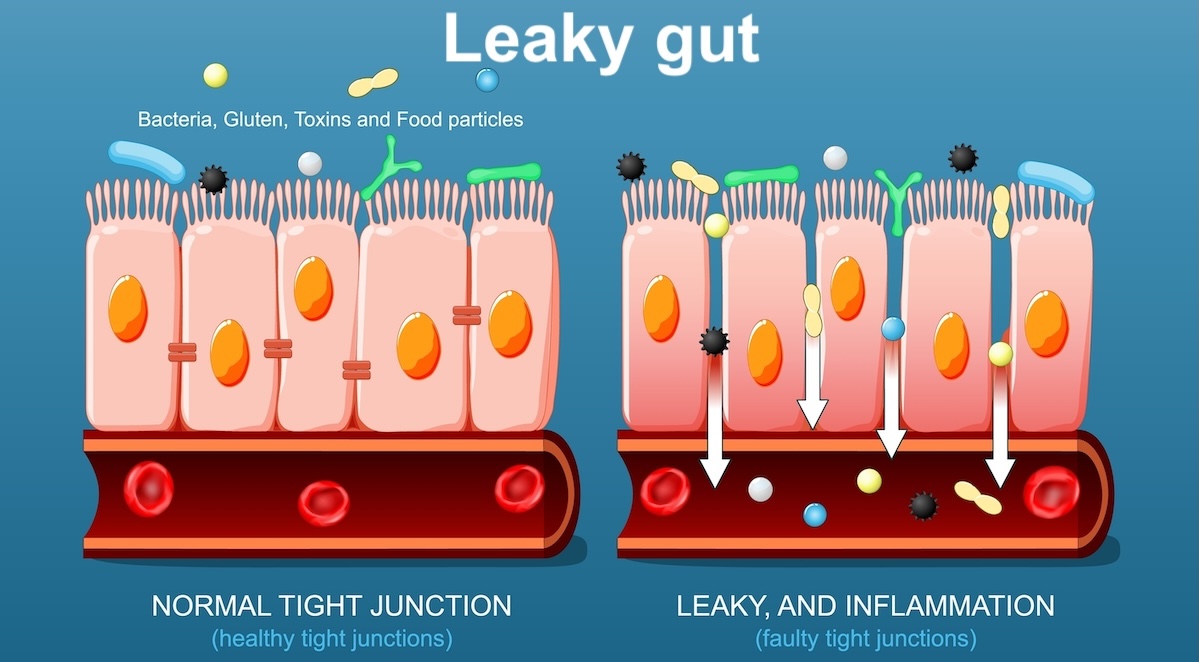
Herbicide cocktail used in GMO agriculture causes leaky gut

Details
Published: 30 April 2026

Landmark study on glyphosate, 2,4-D and dicamba shows so-called safe exposure levels are not safe when ingested as a mixture. Report: Claire Robinson

Read more …

The new fight against GMOs – where is everybody?

Details
Published: 30 April 2026


Patrick Holden, CEO, Sustainable Food Trust, explains why the time for action is now

Read more …

Chile: Organisations criticise government over regulation of GM gene-edited crops

Details
Published: 29 April 2026


Groups slam lack of scientific rigour and meaningful public participation

Read more …

New hype on old studies misleads about GMO chestnut tree

Details
Published: 28 April 2026

Experts challenge SilvaBio claim that genetically engineered American chestnut tree has been “validated”

Read more …

Review 600: Brainless Clones, Designer Babies, Mutational Meltdown and More

Details
Published: 20 April 2026


Image
Welcome to our latest Review, which is largely focused on human genetics, with sections on GMO HUMANS, CLONING, and GENETIC DETERMINISM, not to mention Trump and Epstein’s EUGENIC OBSESSIONS.

We know that for many of our readers primarily interested in food, farming and environmental issues, this may appear unappealing territory, but we think its relevance shouldn’t be underestimated. 

In our first section, on GENETIC DETERMINISM, for instance, we look at recent studies and articles that make it increasingly clear that a simple correspondence between genes and disease is no longer tenable. And this same tendency to oversimplification has equally bedevilled plant and animal genetics, helping to explain many of the failures of genetic engineering. 

Simplistic genetic explanations of disease can also be highly politically and commercially convenient because they direct attention away from environmental impacts on our health – impacts we might otherwise be keen to do something about (see the first item below for more on this).

And when it comes to the major ethical and welfare concerns with CLONING, arising principally from the way it generates significant genetic and epigenetic abnormalities, it’s worth remembering that the creation of gene-edited livestock (such as, cows, pigs and sheep) and other large animals frequently also involves cloning.

It’s also important that the growing push from biotech startups with mega-wealthy backers for GMO HUMANS – and even, it now seems, for brainless human clones (see CLONING) – is not allowed to normalise other concerning biotech developments, by shifting the ethical goalposts so that engineering other parts of nature (plants, trees, animals and microorganisms) appears relatively mundane or socially acceptable by comparison.

For all these reasons, we think it’s vitally important to stay abreast of these issues and ally ourselves with others fighting against genetic reductionism and dangerous and irresponsible uses of genetics.

GENETIC DETERMINISM

Why disease isn’t written in our DNA
If genes explain so much, why did heart disease, diabetes, dementia and cancer surge over the past century – while our genes barely changed at all? Toxic exposures expert and physician Professor Bruce Lanphear explains what’s really going on. Clue: it’s about environmental exposures – air pollution, toxic metals, smoking, diet, occupational hazards, and social conditions. So why does the genetic framing persist so stubbornly? Partly, Lanphear says, because it is intellectually tidy. Partly because it aligns with biomedical training. And partly because it is politically convenient – and profitable. Genetic explanations rarely trigger regulation, lawsuits, or liability. Environmental causes do.
These genes were thought to lead to blindness 100% of the time. They don't
About 1% to 2% of the population are thought to suffer from diseases resulting from a mutation in a single gene. But the genetics of even these diseases may be a lot more complex than previously thought. A new study challenges the whole concept of disorders being attributed to a single genetic mutation passed down in predictable ways in families. The research shows genetic variants believed to cause blindness in nearly everyone who carries them actually lead to vision loss less than 30% of the time. And this complexity doesn’t only apply to inherited blindness. Similar results have been found for other genes once thought to be strongly linked to health conditions. “We’re in an era of discovering a lot more about the complexity of our genomes,” says Professor of Human Genetics at the University of Exeter, Anna Murray, who led ovarian insufficiency research that showed 99.9% of supposedly disease-causing genetic variants were actually present in healthy women. The senior author of the blindness study, Dr Eric Pierce, an ophthalmologist at Harvard Medical School, predicts that the majority of the disorders thought to have a one-to-one correspondence with specific genetic variants “are going to share this new complexity”.
CLONING
Long-term study into cloning highlights its fundamental flaw: abnormalities
Cloning mammals threw up serious ethical and welfare concerns from the start because it so often fails or leads to deformities and early death. For example, Dolly the sheep took 276 attempts to create, and many clones don’t survive or have serious health problems. So it’s hardly surprising that studies of serial animal cloning – where clones continue to be produced from previous clones – showed a failure in all species after just a few generations because of the accumulation of lethal abnormalities. But in 2013, researchers published a paper in which they claimed they had made the cloning process more efficient so that it “may be possible to re-clone animals indefinitely”. They also claimed that after cloning mice for 25 generations, there was “No evidence for the accumulation of reprogramming or genomic errors”. But 13 years on, the same researchers have now published a new paper saying their previous conclusions were wrong. They hadn’t fully analysed the DNA and so hadn’t spotted that with each generation, more and more genetic errors were accumulating and being passed on. And when the researchers carried on with their long-term serial cloning, they discovered “large structural and lethal mutations accumulated” to a point where, among other problems, the clones became completely infertile. The researchers say, “At this point, we have no ideas for overcoming this limitation”. This problem mainly affects repeated (serial) cloning. Most commercial cloning only creates one generation and then uses normal breeding, so it’s less directly impacted. Even so, cloning overall remains highly inefficient and risky, with much higher rates of genetic errors than natural reproduction, while repeated cloning over many generations appears completely unworkable.
Stealthy startup pitching brainless human clones
Image
According to MIT Technology Review, the founder of a stealth startup called R3 Bio, based in Richmond, California, has been secretly pitching what he’s called “brainless clones” to serve as back-up human bodies. Imagine it like this, says Tech Review: producing a baby version of yourself with only enough of a brain structure to be alive in case you ever need to harvest organs from it, like a new kidney or liver. Or, alternatively, company founder John Schloendorn has speculated, you might one day get your brain placed into a younger clone. That could be a way to gain a second lifespan through a still hypothetical procedure known as a body transplant. Schloendorn says that as artificial wombs don’t yet exist, the first batch of brainless clones will have to be carried by women paid to do the job. In the future though, he says, one brainless clone could give birth to another. This, of course, ignores the grave risks involved in cloning, such as defects, deformities, and stillbirths, which remain extremely common. But Tech Review says that’s not stopping interest – and investment – from Silicon Valley longevity enthusiasts.
Rich egomaniacs and dictators most likely customers for brainless clones
Last September, a hot mic picked up a conversation between Russian president Vladimir Putin and Chinese leader Xi Jinping in which Putin said, “Biotechnology is continuously developing. Human organs can be continuously transplanted. The longer you live, the younger you become, and [you can] even achieve immortality”. Where could he have got such an idea? According to the recent Tech Review article on brainless clones, “scenarios involving dictators are a constant topic among body replacement enthusiasts”. It also says, “The first customers for this costly technology (if it ever proves feasible) would likely be the ultra-rich or the ultra-powerful”. There are certainly immensely wealthy and powerful people in search of immortality. And among these, narcissistic dictators would be particularly well placed to disregard the defects, deformities, stillbirths, and neonatal deaths that are part and parcel of cloning.
GMO HUMANS
Bride of “China's Frankenstein” starts ANOTHER new firm touting GMO humans
In Review 589, we reported on how the biotech entrepreneur Cathy Tie, following a brief apparent marriage to the scientific pariah He Jiankui – dubbed “China's Frankenstein” after illegally creating the world’s first “CRISPR babies”, had formed her own company to gene edit human embryos. That startup, initially called Manhattan Project (an unabashed reference to the US atomic bomb project), was co-founded with Eriona Hysolli – a George Church protégé who formerly headed biological sciences at the “de-extinction” firm Colossal Biosciences. But now, following “co-founder conflict”, Tie has shuttered Manhattan and launched a new company, Origin Genomics. Her new venture, Pete Shanks reports, is aiming to do mitochondrial replacement therapy (see Review 589 for its dangers) as well as gene editing human embryos. Shanks warns his readers that, though Tie is clearly better at starting businesses than maintaining them, they should not make the mistake of underestimating her intentions. The pursuit of GMO humans for profit poses profound risks and should remain taboo – and not be trivialised or normalised.
Engineering baby geniuses to thwart the AI threat? (Yes, really)
An article in the latest issue of Mother Jones reports that some tech bros are investing in creating super-smart babies via gene editing to save the world from dangerously capable AI. It reports that often it is the same tech bro investors that are backing both what they consider “genetic optimization” and AI, and it suggests that this is because “both are central to transhumanism. This futurist philosophy, popular among the tech elite, aims to marry advancements in biology and technology to accomplish things today’s humans cannot – like extending our lives (perhaps forever!) or circumventing climate change (by colonizing other planets)… Sure, there are less extreme ways to extend life expectancy and clean up the planet. But those solutions – like expanding health care access and slashing carbon emissions – would force the AI moguls to acknowledge their culpability and perhaps commit some of their vast financial resources to the cause. And putting the brakes on AI would leave too many trillions on the table, so instead they fantasize about a future in which they are celebrated for building the ark that saves humanity from the next great flood. Never mind that they opened the floodgates.”
EUGENIC OBSESSIONS
Trump deploys the language of eugenics
President Donald Trump seems fixated on the explanatory power of genetics, praising some groups for their “good genes” and demonising others and their “bad genes”. A recent NBC News article notes, for instance, how he has blamed “the genetics” of assailants for a string of attacks across the country. “The genetics are not exactly, they’re not exactly your genetic (sic),” Trump told a Fox News Radio host. The article gives multiple examples of the president using “language around genetics to praise or criticize others”, noting that “Experts have long associated similar language with racial pseudoscience, or eugenics, a theory regarding superior hereditary traits of racial groups that [although widely accepted among scientists at one time] modern scientists have debunked and found to be unethical”. Trump has also said that immigrants are “poisoning the blood of our country” – a claim made in almost identical terms by Hitler in Mein Kampf. Fears about polluting the gene pool with “inferior races” previously drove US state laws against inter-ethnic marriages, some of which were not struck down until the 1960s. Nazi policymakers, particularly in the early 1930s, studied and modelled key aspects of their race laws, most notably the 1935 Nuremberg Laws, on such US precedents. More on Trump’s sinister decades-long obsession with eugenics, and how it spills over into policy, here.
Jeffrey Epstein couldn’t stop emailing people about eugenics
Newly released emails from Jeffrey Epstein confirm the extent of his obsession with eugenics – something he had in common with his former friend Donald Trump (see item above). The emails also show how the public intellectuals and scientists he contacted tolerated or endorsed his pseudoscientific ideas. As we’ve noted previously, Epstein was also a strong supporter of transhumanism, which many regard as a modern rebranding of eugenics. Transhumanists want to use genetic engineering and other extreme technologies to “enhance” humanity (into the posthuman, or “humanity 2.0”), and much of Epstein’s “philanthropy” was directed to its financing and promotion.
All images used in this newsletter are from Shutterstock (licensed purchases)

EU vote on new GMOs: Wrong for farmers, wrong for consumers, wrong for nature

Details
Published: 20 April 2026

By Friends of the Earth Europe

Read more …

Review 599: GMOs in General, Part II

Details
Published: 16 April 2026


Welcome to our latest Review, which leads with a focus on PATENTS ON PLANTS, which is one of the hottest topics causing dissent among EU policymakers in the GMO deregulation battle. We also follow with alarming developments regarding GMO MICROORGANISMS, where profit-driven development is rushing ahead of regulators’ ability to keep up. In fact, rather than even trying to keep up, the EU Commission is moving in the opposite direction from the precautionary principle, and is making moves towards relaxing safety rules around these organisms (see DEREGULATING GMO MICROORGANISMS). Meanwhile there are ongoing GMO RISKS AND HARMS, most of which involve GMOs already out there. There’s positive news in the GMO TREES section, predictably involving a non-GMO approach, and some heartening scientific findings regarding BIODIVERSITY.

PATENTS ON PLANTS

Biotech lobby groups are set to trap farmers and breeders in patent minefield
Image
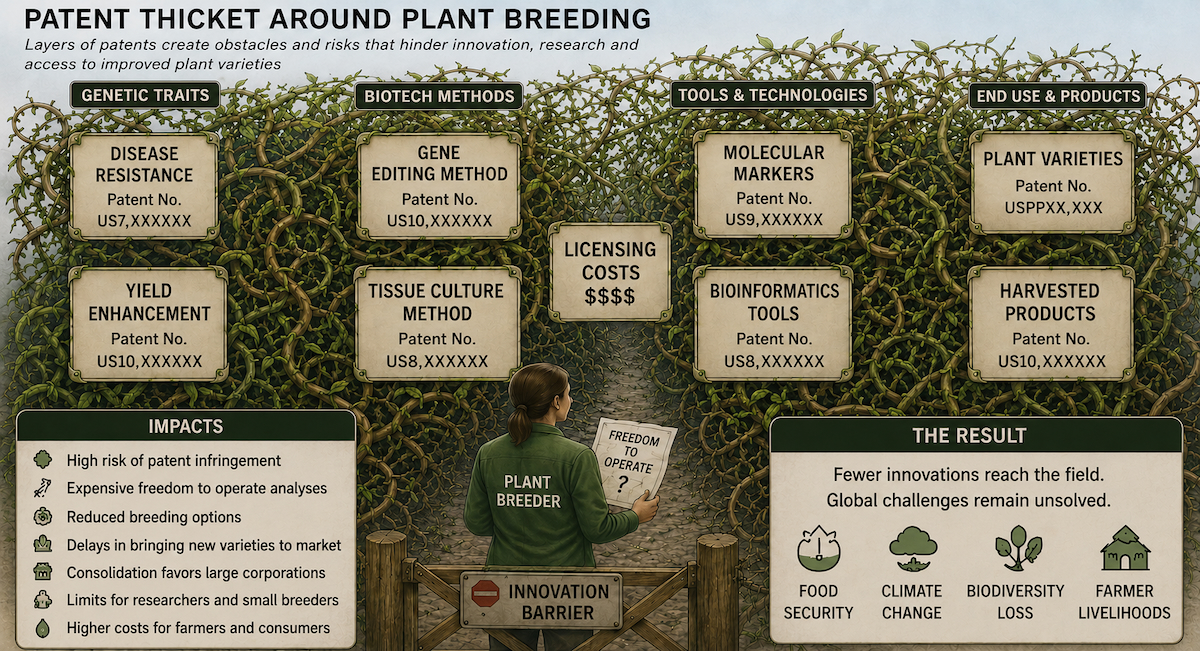
On 18 May the European Parliament is expected to vote on a new law that would exempt food plants obtained from new genetic engineering techniques (NGTs) from existing GMO rules. The deregulation of NGTs will undermine food safety standards and consumers' right to choose – and is also likely to lead to further concentration in the seed sector through the patenting of food crops. An article by Corporate Europe Observatory (CEO) and GMWatch shows that industry lobby groups are trying to allay concerns about the impact of patented crops with shallow and misleading arguments. A new survey shows that most EU citizens oppose patents on plants and animals. Lobby documents obtained from the European Commission show that industry lobby groups Euroseeds and CropLife Europe, representing biotech multinationals like Bayer and Syngenta, underplay the problems linked to patents and propose inadequate ‘solutions’. For instance, the voluntary licensing platforms industry has set up do not provide a solution to increased dependence for small- and medium-sized breeding companies, nor to increased concentration in the seed sector. A short news piece about CEO and GMWatch’s more detailed article, with quotes from the authors, is here. Image designed by Freepik
European Patent Office tries to knock out European rule intended to prevent patents on traditional plant breeding
The European Patent Office has granted a patent claiming traditionally bred tomatoes with resistance to a plant virus to the Dutch company Rijk Zwaan. The gene variants with resistance to the pathogen were discovered in wild tomatoes found in countries of origin such as Peru. These wild tomato plants were simply crossed with tomato plants that are grown and marketed in Europe. European patent law explicitly prohibits patents on the processes of crossing and selection as well as on the resulting plants. This prohibition was reinforced and strengthened in 2017. At that time, the new rule was introduced on the initiative of the EU to specifically prohibit patents on plants resulting from crossing and selection. The claims in this patent are worded and designed to circumvent the prohibition on plant patents: to avoid mentioning the words ‘crossing and selection’, plant breeding is instead described as ‘growing seeds to produce plants’. The patent claims all tomato plants that inherit the natural gene variants with resistance to the virus as obtained from crossing and selection with the wild tomato plants. This clearly undermines the EU’s new rule.
GMO MICROORGANISMS
TAKE ACTION: Stop the AI ‘Bio-Timebomb’ before it starts!
This sounds like a bad movie, but it’s real: right now, AI tech CEOs are handing out “recipes” for bioweapons – deadly viruses – to anyone with an internet connection. New “bio-AI” tools (or “biological AI models”, BAIMs) are being released that can help even a complete amateur design deadly viruses and bioweapons. A terrifying new study found that 97% of the bio-AI tools have ZERO safeguards! Ursula von der Leyen and the EU Commission are supposed to be our shield against this, but they left a massive, gaping hole in the new AI law that could kill millions or even threaten life on Earth. These bio-AI tools are slipping through the cracks while greedy tech giants race to release them before anyone can stop them. Sign the petition to tell the Commission to close the loopholes for bio-AI tools now and hold tech executives personally liable for any harm caused!
Genetically modified microorganisms: What are the risks, and who’s watching?
When most people hear “GMOs”, they think of crops, for instance, corn or soybeans engineered to resist herbicides or pests. But scientists have been quietly engineering something far smaller and potentially more consequential: microorganisms. Bacteria, yeasts, and fungi have been genetically modified and, in some cases, released into the environment on a massive scale, sometimes without the public even knowing. A new review article published in the journal Microorganisms by a team of eight scientists, physicians, and researchers argues that we are moving too fast. The technology to create genetically modified microorganisms (GMMs) has outpaced the regulations designed to keep them in check, and the potential consequences, for human health, for soil, and for the climate, deserve urgent attention – not least, because deregulation is now on the agenda (see next section). A summary of the new article is here. Beyond Pesticides comments on the article here.
DEREGULATING GMO MICROORGANISMS
Following plants: EU plans relaxation of rules on genetically modified microbes
Image
The European Biotech Act (procedure 2025/0406) is a legislative proposal introduced by the European Commission in December 2025. It aims to strengthen the EU’s biotechnology and biomanufacturing sectors, including in health, by ‘simplifying’ regulation. It would remove the need for environmental risk assessments for certain genetically modified microorganisms (GMMs) defined as low-risk. As a result, bacteria and other microorganisms modified using new genetic engineering techniques (called NGTs in the EU) could be released into the environment more quickly and under less stringent conditions – for example, as fertilisers, pesticides, or feed additives. Fields in the USA are already being sprayed with such bacteria. In the name of reducing bureaucratic hurdles in the EU, existing testing and control requirements would be largely eliminated. But deregulation poses massive risks to ecosystems, to GMO-free agriculture, and to public health. Furthermore, ensuring freedom of choice would be impossible. (Link in header is to German language text) Image: Shutterstock (licensed purchase)
European Economic and Social Committee warns against deregulating genetically modified microorganisms
The European Economic and Social Committee, a mandatory EU consultative body, has recently released its opinion regarding the European Biotech Act. It includes comments on the GMMs proposal. It stresses that “simplification must not become deregulation” and says: “The EESC stresses that innovation involving genetically modified microorganisms must fully respect the precautionary principle. Any regulatory streamlining should remain conditional on a case-by-case risk assessment, effective traceability and environmental monitoring proportionate to open uses, safeguarding health, ecosystems and agricultural diversity, including organic farming. Risk-based approaches should therefore ensure detectability, reversibility and environmental post-release oversight (particularly when microorganisms may interact with soils, water or food chains).” The Committee explains: “There is a limited knowledge of microbial diversity, microbiome interactions and horizontal gene transfer. Precaution therefore remains scientifically justified.” To access the opinion, go to the link in the header above and put this reference into the search box: CCMI/257 – EESC-2026-00031-00-01-AC-TRA
MORE GMO DEREGULATION
European Commission’s legal initiatives to deregulate GMOs
A number of legal initiatives aimed at deregulating genetically modified organisms, involving plants, animals, and microorganisms (see above), are currently under way at EU level. Inf’OGM has previously published an article taking stock of these initiatives. In December 2025, many additional proposals were made by the European Commission. Inf’OGM has summarised the various procedures in the form of tables. These will be updated as work on these initiatives progresses.
EU Biotech Act: Precaution sacrificed in the name of innovation?
In a recent proposal for regulations claiming to “strengthen the biotechnology and biomanufacturing sectors”, the European Commission wants to see these sectors governed by a policy that “balance innovation with safety, equity and environmental protection”. However, the text mainly aims to promote industrial competitiveness and attractiveness to investors. It provides for faster authorisation procedures for “biotechnology products”, a lighter regulatory framework, and prioritisation of so-called “strategic” projects in order to reduce time to market. The proposal is likely to result in inadequate environmental and health risk assessments that do not meet the challenges at stake, and that risk ignoring the precautionary principle. 
GMO RISKS AND HARMS
Acceleration hotspots of North American birds’ decline are associated with GMO agriculture
North American bird populations are not only declining, but they’re also shrinking faster with each passing year – particularly in regions shaped by intensive agriculture, according to a new study in Science. The Canadian NGO Stop the Spray B.C. comments on the study: “GMO crops typically use the most pesticides and use the most fertiliser. The Midwest hotspot of bird declines is the GMO heartland. Another ‘win’ for the biotech-GMO industrial complex.” 
Scientists try to develop weight loss gene therapy
Scientists are aiming to train human bodies via gene therapy to make their own “GLP-1” weight loss drug. But as well as the huge expense, there are massive risks. “The drugs, you can stop,” Giles Yeo, a professor at the University of Cambridge who studies the genetics of obesity, said of people who experience nausea and vomiting after taking GLP-1 medications. “If you genetically modify someone and they can’t stand it, they’re screwed”.
GMO TREES
American chestnut: Cross-breeding for blight resistance takes “giant leap forward”, leaves GM in the dust
Image
The American chestnut tree is widely considered to be on the brink of extinction in the United States, due to widespread infection by an imported pathogenic fungus that causes chestnut blight, even though some wild American chestnuts continue to thrive. Much-hyped attempts to genetically engineer blight-resistant American chestnuts have failed. Now, in what Glenn Davis Stone, Senior Research Professor of Anthropology and Environmental Studies at Washington and Lee University, called a “giant leap forward in American chestnut restoration”, scientists have found that crossing American chestnuts with naturally blight-resistant Chinese chestnuts results in hybrids with substantial blight resistance, as well as resistance to another problematic disease called root rot. The hybrids have around 70% American chestnut ancestry. In contrast, the GM approach is proving disappointing. All these results are reported in a new paper about the various research approaches. Image: Shutterstock (licensed purchase)
GM as “shortcut to creating a truly American blight-resistant chestnut”
Read the story of the failed attempts to genetically engineer a blight-resistant American chestnut tree.
BIODIVERSITY
The Black Death’s counterintuitive effect: as human numbers fell, so did plant diversity
Between 1347 and 1353, Europe was gripped by the most catastrophic pandemic in its history: the Black Death. The plague wiped out between one-third and a half of Europe’s population. In rural areas, Black Death mortality caused intense labour shortages. Entire villages were left empty as rural economies collapsed. In many places, cultivated fields were abandoned and reclaimed by woodland, scrub and deer. Given the negative effects that people have had on nature in recent times, we might expect this “rewilding” to have enabled biodiversity to flourish. However, a new study uncovers a counterintuitive result: when Europe’s human population crashed, plant biodiversity also plummeted. The findings call into question conservation policies that advocate for removing or reducing human influence from Europe’s landscapes to protect biodiversity. One such policy initiative is rewilding. Yet many of the most biodiverse locations in Europe are those with a long history of low-intensity, mixed agriculture. To rewild these human-formed landscapes may risk eroding biodiversity, according to new research.

Biotech lobby groups are set to trap farmers and breeders in patent minefield

Details
Published: 14 April 2026


Deregulation of new GM crops will increase seed market concentration, undermine resilience of the food system. By Corporate Europe Observatory and GMWatch

Read more …

European Parliament vote to deregulate new GMOs: Biotech lobby pushes false solutions for patent problem

Details
Published: 13 April 2026


Survey shows 80% of citizens in five EU countries oppose patents on seeds

Read more …

Review 598: GMOs in General, Part I

Details
Published: 05 April 2026


Welcome to Part I of our GMOs in General Review, which covers GMO FAILURES, RESISTANCE, RESTRICTIONS AND BANS, and FOOD AND SEED SOVEREIGNTY. Part II will follow soon.

GMO FAILURES

Court declares GMO wheat parent company bankrupt
Image
On 24 March Fernando Mécoli, a judge in the Civil and Commercial Court of Rosario, Argentina, ruled that bankruptcy proceedings should be initiated against Bioceres SA, the Argentine parent company of Bioceres Crop Solutions Corp., which markets the herbicide-tolerant and supposedly drought-tolerant GMO wheat known as HB4. The court must now appoint liquidators. Bioceres has been torn apart by a rift between two groups of shareholders, with both sides filing legal complaints against each other. It’s hard to know what will finally emerge from the insolvency and the legal battles around it. But even if Bioceres’ HB4 GMO wheat were to go down with the parent company, there would be little to mourn. An analysis of official government data by eminent Brazilian and Argentine researchers noted that claims by Bioceres that HB4 wheat gave higher yields than other varieties were false. On the contrary, it yielded 17% less than the national average. The researchers also concluded that “The drought tolerance, announced by Bioceres and endorsed by officials from regulatory agencies, was not evident in the field.” But that hasn’t stopped the US government, among others, from approving it – for more on GMO wheat, see RESISTANCE, RESTRICTIONS AND BANS.
India: Pest resistance increasing in Bt cotton, says Minister
Pest resistance has been increasing in Bt cotton in India, according to Ramnath Thakur, Union Minister of State for Agriculture and Farmers’ Welfare. Though the Bt toxin produced by genetically modified plants has continued to control one major cotton pest (American bollworm), the pink bollworm has developed resistance to the Bt toxin and is becoming a major pest in all cotton-growing areas. Sucking pests are also surging, the Minister said. In the northwestern state of Haryana, the devastation has been so great that cotton farmers are said to only be hanging on by a thread, as yields are slashed and profits are squeezed to the point where many farmers are ditching cotton for rice. 
Bt cotton creating more robust longer-lived pests
A recently published study in the journal Nature shows pink bollworm larvae feeding on Bt cotton gain greater weight and have increased longevity. It seems the physiological stress the larvae undergo on Bt cotton “delays development but allows extended feeding and compensatory growth”, resulting in more robust pests.
Studies show Bt crop cultivation allows pests to spread more quickly
Several recent studies show that pests can spread more quickly if they feed on Bt plants. According to the studies, the offspring of the surviving insects have a changed wing shape that facilitates longer flights and faster spread. This poses risks for the environment and agriculture. The pests include pests, such as corn earworm, fall armyworm, beet armyworm and western corn rootworm, which are a significant problem in the cultivation of crops such as corn, soybeans and cotton, amongst others.
Struggling gene therapy industry hopes regulations will weaken on gene editing
MIT Technology Review journalists have been writing about the gene-editing technology CRISPR since 2013, calling it the biggest biotech breakthrough of the century. But the publication’s new article on gene-edited drugs says: “So far, there’s been only one gene-editing drug approved. It’s been used commercially on only about 40 patients, all with sickle-cell disease. It’s becoming clear that the impact of CRISPR isn’t as big as we all hoped. In fact, there’s a pall of discouragement over the entire field – with some journalists saying the gene-editing revolution has ‘lost its mojo’.” In response, the industry is hoping for lighter regulation.
RESISTANCE, RESTRICTIONS AND BANS
Kenya: Anti-GMO activists hold protests
Anti-GMO activists have held protests in Kisumu, Kenya’s third largest city. “We’re going to fight GMOs in the streets, in court and in every other way until GMOs are banned in this country,” said farmer and farmers’ advocacy leader Mary Kathomi. Kathomi described the introduction of GMOs as “food colonisation” and accused the government of forcing GMOs on Kenyans instead of supporting indigenous seeds. “You legalise GMOs and at the same time list the Kenya Seed Company for privatisation, what are you doing to the Kenyan people?” she asked.
Kenya: Legal battle continues over lifting of GMO ban 
The Kenyan Peasants League’s legal battle to stop the lifting of Kenya’s GMO ban is expected to result in a judgement in the High Court on 24 April. If the judgement goes against them, KPL say they are ready to fight on to the Supreme Court.
Nigeria: Biosafety agency orders suspension of new GMO cotton varieties
Nigeria’s National Biosafety Management Agency (NBMA) has ordered the suspension of four new transgenic cotton hybrid varieties after identifying compliance abnormalities concerning their registration. It says field trials and related activities involving these GMOs were conducted without prior authorisation, inspection, or regulatory oversight by the agency in violation of national biosafety regulations. In the meantime, an editorial in The Guardian (Nigeria), the country’s most respected newspaper, has called for an end to “Nigeria’s fixation with genetically modified foods”. The paper points to the history of contradictory statements on GMO safety made by the country’s regulators and says the government should stop putting Nigerians in harm’s way. It says Nigerians believe “the government should be proactive in promoting safe food production, given the country’s vast arable land for organic food production to feed the nation and guarantee food security”.
Ukraine bans GMO crops as farmers race to meet EU standards by 2028
Ukraine has banned cultivation of GM crops and begun overhauling its agricultural regulations to align with EU production standards, First Deputy Agriculture Minister Taras Vysotskyi said. Legislation fully implementing EU GMO standards enters into force in September 2026, banning GMO corn and temporarily prohibiting GMO sugar beets and rapeseed. “Ukraine has already adopted the European regulatory model for GMOs and is moving toward GMO-free country status,” Vysotskyi said. “For EU exports, only non-GMO products are used.”
Swiss anti-GMO initiative gathers enough signatures for a vote at the ballot box
An initiative to continue to protect Swiss food from GMOs, backed by 137,000 supporters, submitted to the Federal Chancellery in Bern, will force a nationwide vote on the issue after surpassing the threshold of 100,000 signatures. The initiative calls for continued strict controls once the current moratorium on GM crops expires in 2030. “People in Switzerland want to continue to decide for themselves what goes on their plate,” said Martin Graf, president of the Association for GMO-Free Food. The initiative is also intended as a rebuttal to draft legislation on genetic engineering put forward by the Federal Council last year. Campaigners argue that the government’s proposal does not adequately protect people, animals or the environment.
US pushback on GMO wheat
Image
Friends of the Earth US has issued a new report warning that HB4 GMO wheat – recently approved by the US government – poses serious risks to public health, the environment, and farmers’ livelihoods. Among its drawbacks is the fact it is engineered to tolerate glufosinate, a highly hazardous herbicide banned in the EU because it’s toxic to reproduction. Research links it to premature birth, miscarriage, stillbirth, and birth defects in offspring. As a result, a coalition that includes FoE US, Beyond Pesticides, and like-minded others has launched a petition asking major food processors and mills to reject the use of GMO wheat.
TAKE ACTION: Tell food companies to reject GMO wheat! Sign the petition here.
Argentina: 30 years of GMO soy have been devastating but resistance continues to grow
Image
The journalist Dario Aranda reports on how the first introduction of GMO soy in March 1996 marked a turning point in Argentina’s agricultural model and served as a beachhead for GM crops in South America. Over three decades of the GM model, he writes, thousands of families have been evicted from their lands, millions of hectares of land have been ravaged, and epidemics of diseases caused by agrochemicals have burgeoned. But resistance and the determination to sow the seeds of a different model of agriculture continue to grow. Among the greatest successes was the successful four-year struggle in Córdoba against the planned construction of a major Monsanto complex. The site was blockaded and construction halted by protesters, and Monsanto was eventually driven out, amidst the rallying cry “No to Monsanto in Córdoba and Latin America”. Read Dario’s article for more of the victories against agribusiness. 
Indian farm group close to Modi wary of GM products in US deal 
Prime Minister Narendra Modi’s close ally in the farm sector has raised concerns about GM products entering India after the interim US trade deal, as resistance to the pact builds among domestic agricultural groups. “We are not comfortable with the import of cheaper GM soybean oil and animal feed processed from GM corn,” said Mohini Mishra, the head of the Bharatiya Kisan Sangh. On 12 February, thousands of farmers gathered across the country from Punjab to Tamil Nadu to demonstrate against the pact.
FOOD AND SEED SOVEREIGNTY
The battle over seeds in Latin America
Corporate encroachment is increasingly disguised as legal protection. Under laws that allegedly safeguard seeds, doors are opened for their registration, certification, or privatisation. Faced with this encroachment, Indigenous and rural communities defend their seeds as if they were a living territory. What is at stake is not just agriculture, but an essential pillar of Latin American societies, reports GRAIN, which works to stop peasant seeds being appropriated by large corporations.
World’s food system in hands of small corporate core
In an interview with Jacobin, Pat Mooney, who has spent half a century studying agribusiness monopolies, biotechnology, seed patents, and the global food system, talks about the dangers of relying on multinational seed corporations for our seed supply. Bayer, Corteva, Syngenta, and BASF now control roughly 60 percent of the world’s commercial seed and pesticide markets, an unprecedented level of consolidation. “Seed is the first link in the food chain,” Mooney points out. “If you control the seed, you control the entire food system. And that control now rests in the hands of four or five global corporations. They’ve consolidated not just seeds but the agricultural chemicals tied to them – and they’re pushing into other sectors of the food chain. Once this control is lost, your soil is effectively under occupation. You become dependent on external supplies, and they decide what you grow, what you pay, and how you sell it.”
US farmers “looking for a way out” of Big Ag extortion
In a short video interview, regenerative farmer Zach Lahn breaks down how Big Ag is “extorting our farmers”. Some quotes:
“We are seeing the hollowing out of our rural communities.”
“In the last 10 years… the top five agriculture companies have made $150 billion in profit.”
“At the same time, we’ve lost 200,000 family farms.”
“I just yesterday had a meeting with 70 traditional farmers… just north of my farm here.”
“Farmers actually do not like these companies in the first place.”
“For many years, these companies have been buying up all the smaller companies, reducing competition and creating monopolies.”
“If you ask any farmer what their biggest issue has been over the past couple years, they’re not gonna talk about tariffs. What they’re gonna talk about is that input companies keep driving their prices up and they have no choice of where to go to buy something different.”
“Farmers are looking for a way out.” 
European farmers, small breeders and seed diversity organisations call on MEPs to defend agrobiodiversity
In March, farmers, small breeders, seed savers and conservation organisations sent a clear message to policymakers: Europe’s new seed marketing laws – Regulation of Production and Marketing of Plant Reproductive Material (PRM) – must safeguard cultivated plant diversity, implement farmers’ rights, and support small-scale and organic breeders. The existing PRM marketing directives have favoured uniform, standardised varieties, making it difficult for heterogeneous and locally adapted varieties to access the market and restricting farmers’ rights. The new PRM regulation must correct this, by:
* Recognising farmers’ rights on seeds and other PRM.
* Guaranteeing real market access for non-uniform and organic varieties.
* Providing strong support for the dynamic conservation of cultivated plant diversity.
* Designing proportionate rules that do not exclude small operators from the market through excessive administrative burden.

 Images (except for wheat petition image): Shutterstock (licensed purchase)

Review 597: New GMOs

Details
Published: 30 March 2026


Welcome to our Review on New GMOs. We cover the latest SCIENCE, as well as developments in the DEREGULATION pushes in the EU and New Zealand, and the post-deregulation situation in Japan and the UK. We take a look at the NEW GMOs PIPELINE – nothing to get excited about there – and report news on PATENTS and TECHNO-FOOD.

SCIENCE

GM plants differ from non-GM parents in unintended ways – and that goes for GM gene-edited plants too
Image
Following a recent podcast interview, GMWatch co-director Claire Robinson and Prof Michael Antoniou were asked whether there is any solid scientific research looking at how gene expression or molecular composition in older-style “transgenic” and “new GM” gene-edited plants differs from conventionally bred plants. There is good evidence of unintended changes between older-style GMOs and their non-GMO counterparts. Regarding “new GMOs” made with gene editing tools, there is very little research looking at differences between the GM gene-edited plant and its non-GM parent. However, one study has already shown remarkable differences. CRISPR/Cas gene editing and base-editing gene editing of rice plants caused major changes in gene expression and protein profiles.
Scientists must confront uncertainties and limitations of CRISPR gene editing, say researchers
The rapid development of CRISPR-based gene editing has been accompanied by a polarised governance debate about the status of CRISPR-edited crops as GMOs. A new scientific article by researchers at Wageningen University & Research argues that the polarisation around the governance of gene editing partly reflects a failure of public engagement with the current state of research in genomics. In GMWatch’s view, this article is well worth reading and easy to understand. It takes in the gene-edited hornless cattle that turned out to unexpectedly contain antibiotic resistance genes, as well as other controversial topics.
EU DEREGULATION PUSH
EU Parliament decision on deregulation postponed to May
The “indicative” date (estimated timeframe) for the plenary session of the European Parliament, which will result in a decision on the EU’s GMO deregulation proposal, has been changed and is no longer 28 April 2026. It is now announced for the 18 May 2026, but this is still indicative so it could be sooner or later. (No link in header)
What can you do to oppose the EU GMO deregulation? 
Get involved. A useful resource with lots of different actions to choose from, including ways to contact your MEP is here.
Related press releases and documents are here.
Download the toolkit for new-GMO-free municipalities here.
And see how the new-GMO-free municipality movement is already taking off in Italy.
Deregulation of new GMOs is without scientific basis
The draft European regulation, currently in the process of being adopted, which aims to deregulate almost all genetically modified plants derived from new genomic techniques (NGTs), is marred by numerous and significant scientific shortcomings, says France Nature Environnement in a new article. A coalition of 13 French organisations, including France Nature Environnement, has submitted a comprehensive document to the European Commission highlighting these shortcomings. An English version of the original French language document is here. A French language podcast featuring Dr Yves Bertheau is here.
71 MPs urge the French government to reject the deregulation of GMOs derived from new GM techniques
In December 2025, contrary to its initial position, the French government representative came out in favour of the deregulation of new GMO/NGTs. This French U-turn, mirroring those of Poland and Greece, enabled a qualified majority of Member States to be reached on the “compromise” text. Following this new stance, motivated by non-binding commitments from the European Commission, 71 MPs (12% of the Assembly) from the political party La France Insoumise decided to table a European motion for a resolution “aimed at opposing the deregulation of plants derived from new genomic techniques and defending a strict European framework for health, environmental and democratic protection”.
The “Ohne Gentechnik” market grows to over 18 billion euros
Around 18.1 billion euros were spent on “Ohne Gentechnik” (Non-GMO) food in Germany in 2025, over a billion more than in 2024. A change in the law could soon lead to even stronger growth. Shortly before the upcoming EU deregulation of genetic engineering, the year-on-year increase in sales of products bearing the green “Ohne Gentechnik” seal stood at around 6.1 percent in 2025. “These encouraging figures show that ‘Ohne GenTechnik’ is and remains a solid model for success that continues to grow,” comments Alexander Hissting, managing director of the Association Food without Genetic Engineering (VLOG). “With the imminent widespread abolition of the legal requirement to label genetically modified ingredients [Category 1 GMOs made with new GM techniques] in food, the significance of ‘Ohne GenTechnik’ is likely to increase significantly once again. Anyone who wants to be sure in future that their food has been produced without genetic engineering will only be able to recognise this by the ‘Ohne GenTechnik’ or organic seal. As a result, our seal will be relevant in many more areas than before, including staple foods such as bread, potatoes and other vegetables, as well as products made from them. For ‘Ohne Gentechnik’, just as for organic, it is absolutely clear that no ‘new genetic engineering’ is used either. To continue to guarantee this, we now need workable coexistence regulations.” 
EU consumers could lose the battle for GMO-free organic food, SAFE warns
SAFE – Safe Food Advocacy Europe, a European consumer organisation specialising in food policy – is calling for the protection of organic food in the EU. SAFE says it regrets recent legislative steps to make new genomic techniques (NGTs, new GM techniques) free from mandatory requirements applicable to other GMOs and warns that this will mean the end of organic food as we know it. SAFE’s deputy director Luigi Tozzi said: “Organic food production is at serious risk under the new legislation, because the measures in place to separate organic food production from food derived from new genomic techniques will disappear soon. This means that in the future, products sold as organic may contain traces of NGT crops, restricting consumer choice and undermining the very concept of organic food production. This is a very serious threat for an important sector trusted by millions of European consumers.” 
NEW ZEALAND DEREGULATION PUSH
New Zealand: “Complex” gene tech bill in doubt as coalition talks prove fruitless
The Gene Technology Bill, a priority piece of legislation that New Zealand’s governing coalition promised to pass before the next election, could be kicked into the next term of Parliament following months of negotiations without a breakthrough. The controversial topic is the source of debate between coalition partners, with New Zealand First refusing to support the bill if it allows for the environmental release of GMOs. Science Minister Shane Reti says work is ongoing to find a solution that works for everyone, but as the months pass, the bill finds itself falling behind other legislation. NZ First deputy leader Shane Jones says nothing will happen until his party feels its coalition agreement has been met. GE Free NZ comments on the situation here.
JAPAN DEREGULATION
Towards a world free from GM food: Asian Assembly and citizens’ campaign in Japan
The GMO-FREE ZONE Movement 20th Anniversary Asian Assembly was held in Tokyo, Japan, in March 2026. Read the Conference Declaration here. Citizens from across Asia met and decided to work together in pursuit of a world free from GMO food. They noted how a wave of deregulation in Japan has led to no environmental impact or food safety checks on new GMOs — plus efforts to ban food labelling and even Non-GMO labelling. They’re fighting back. In Japan, as deregulation sweeps in at the national level, citizens have stepped up efforts at local and regional levels. They’ve worked with local assemblies to adopt resolutions calling for gene-edited food labelling, while enlarging GMO-free zones and working to stop local production of GMO food. In response to the promotion of gene-edited tomatoes, local campaigners successfully urged municipalities to stop the distribution of seedlings to schools and welfare facilities. They also supported local campaigns that led to the removal of gene-edited fish from the Hometown Tax program, a system that allows taxpayers to donate to municipalities in exchange for tax deductions and local “thank-you” gifts.
Consumers Union of Japan campaign on gene-edited foods
Image
The Consumers Union of Japan (CUJ) has published an update on their campaign on GM gene-editing in Japan, including:
1) A campaign to get 12 Japanese supermarket chains to refuse to sell gene-edited tomatoes
2) “Label It!” — a food labelling campaign demanding mandatory labelling of all gene-edited foods. 
UK DEREGULATION
UK: Concerns over “precision breeding” grow ahead of High Court hearing in May
The UK Government is soon to face a landmark legal challenge over its controversial legislation that allows the commercial cultivation and sale of GM gene-edited crops in England. In May, the High Court in London will consider whether the new rules, which were signed into law last year, unlawfully removed regulatory safeguards around genetic modification and failed to account for the potential risks to consumers, farmers, food businesses, and the environment. Under the revised regulations – which currently only apply to England and not the devolved nations – crops developed using new GM techniques such as gene editing are reclassified as “precision bred (PB) organisms” in cases where developers themselves claim the genetic changes could be possible through natural or conventional breeding. The claimants – Beyond GM – argue that mandatory safety assessment, traceability provisions, and consumer transparency protections were removed or weakened. They also argue that this revision downplays risks, including unintended genetic mutations and ecological impacts.
Gene editing deregulation – what comes next?
Two new briefings published by Beyond GM explore the likely next stages for the UK’s deregulation of gene editing. They reveal that gene-edited animals and microorganisms are the next frontiers in the removal of key safety and environmental regulations – but the picture is considerably more complicated than developers or the government may want us to believe. The Genetic Technology (Precision Breeding) Regulations 2025 have paved the way for the production and commercialisation of gene-edited “precision bred” GMO plants. But the broader regulatory framework in the Genetic Technology (Precision Breeding) Act 2023 also allows for the deregulation of precision bred GMO vertebrate animals. Even as the new regulations were being signed into law, there was an expectation – shared by industry, parts of government and some researchers – that new regulations for livestock would swiftly follow. Beyond GM’s new briefing on gene-edited livestock shows why that isn’t happening on the timetable originally planned and what the obstacles are.
Gene-edited high lipid barley marketing notice issued
The UK government has published a marketing notice (see link above) for a higher lipid GM gene-edited barley. The barley is intended as feed “to fatten up cows and get them to market faster”, in the words of a Daily Telegraph puff piece, titled without any factual justification, “Juicier steaks on the menu after gene-edited cow feed approved”. In itself, the marketing notice doesn’t permit marketing – it’s just a confirmation that the organism qualifies as “precision bred”. The barley, called “Golden Promise”, now has to go to the Food Standards Agency for food safety authorisation. It also seems that the barley will have to go through the usual plant variety trials to qualify it for inclusion on the national plant varieties and seeds list. Note: The barley hasn’t yet been fed to any cows, and in any case the fat content has been increased by only around 3%, so it’s unlikely to create any measurable increase in fattening. Nonetheless, it may have adverse health impacts, which haven’t been tested for and are highly unlikely to be looked for in any fattening studies that may be done.
New report: The UK Science Media Centre, the Food Standards Agency, and how to undermine trust in the food system
The UK’s Food Standards Agency (FSA) is considering using the controversial Science Media Centre to help it raise awareness about so-called precision breeding, according to a disclosure made during its September 2025 board meeting. Just 5% of people know what “precision breeding” means – a shocking statistic given that the British public may soon be exposed to GMOs classified as precision bred following a recent change in the law. The Science Media Centre (SMC) has been credited with setting the science agenda in the press. It publishes briefings and fields scientists for media interviews and comments, including those involved in genetic modification. It has been described by GMWatch as a “government and corporate-funded PR messaging service” and the SMC and its still more controversial director have many critics. 
Beyond GM calls on Scottish and Welsh parties to hold the line on GMO regulation
As voters in Scotland and Wales prepare to go to the polls in May, Beyond GM has published dedicated election briefings for both the Scottish Parliament and Senedd elections, calling on all parties to commit to maintaining and strengthening precautionary approaches to GMOs in food and farming. The briefings set out the regulatory, economic and democratic case for resisting Westminster pressure to align with England’s Genetic Technology (Precision Breeding) Act 2023 and its 2025 Regulations – which failed to implement the labelling, traceability and environmental risk assessment requirements that have governed GMOs in the UK for decades. 
NEW GMOs PIPELINE
New GMOs in cultivation and development – new report
A new report gives the lie to the notion that deregulating new GMOs will lead to an ample supply of gene-edited wonder crops being available in the marketplace. Even in countries that deregulated new GMOs some time ago (Canada, USA, Argentina, Japan), the technology’s record is unimpressive. Currently just three “new GMOs” are being cultivated in two countries, according to the report by Dr Eva Gelinsky for Switzerland’s Federal Office for the Environment (FOEN). In the USA, just two herbicide-tolerant and insecticidal maize varieties developed with CRISPR are being cultivated. But both varieties are also transgenic. In Japan, a CRISPR tomato with increased GABA content, intended to lower blood pressure, is on the market. In development there are 89 new GM crops which belong to 31 species.
Cibus says it’s on track to launch herbicide-tolerant rice
GMO crops are helping drive herbicide use, not reduce it. And new GMOs — via gene editing — are set to do exactly the same. Cibus says it’s on track to launch its rice with herbicide-tolerant traits in Latin America next year, followed by the US in 2028, and then Asia. Cibus says its new GMO herbicide-tolerant crops will cut the amount of herbicide needed to manage weeds. But first-generation GMO crops were introduced with the same promises and their adoption in the US INCREASED herbicide use from 1996-2011 by an estimated 239M kg – 239,000 tonnes!
PATENTS
Who owns the patents on “new GMOs”?
The patent landscape for “new GMOs” made with gene editing tools such as CRISPR/Cas is dominated by the big US agribusiness firms, Corteva, Bayer, and Pairwise; as well as the powerful academic institutions, the Broad Institute/MIT/Harvard and UC Berkeley and its spinout company Caribou Biosciences. While the main European “new GMO” patent holders are not in the same league as the US companies and institutions, they in no way qualify as small-to-medium-sized enterprises. They are led by the large multinational company KWS Saat, Limagrain/Vilmorin – the 4th largest seed company in the world, and the well-funded venture-backed company Tropic Biosciences, according to research by Antonio Onorati for European Coordination Via Campesina (ECVC). See Antonio’s slide presentation at the link above. GMWatch’s conclusion is that – contrary to the claims of GMO promoters - “new GMOs” are, and always will be, a big boys’ game and will not democratise GM technologies, plant breeding or agriculture – quite the opposite.
TECHNO-FOOD
Alt protein investors are tired of waiting – they want confidence in the future
As the initial hype dies down, investors in meat alternatives want a return on their investment. Investor confidence has dropped as long timelines clash with revenue expectation. Corporates now view alternative protein supply chains as fragile. GMWatch comments that some “fake meat” products are made by genetically engineered organisms. “Fake meat” manufacture is resource- and energy-hungry.

Argentina: 30 years of genetically modified soy

Details
Published: 30 March 2026


Dario Aranda reports on “a massive open-air experiment”

Read more …

GM plants differ from non-GM parents in unintended ways – and that goes for GM gene-edited plants too

Details
Published: 28 March 2026


Study shows GM gene-edited rice is not “substantially equivalent” to the parental non-edited rice. Report: Claire Robinson and Prof Michael Antoniou

Read more …

Court declares GM wheat parent company bankrupt

Details
Published: 26 March 2026

Bioceres, “the Argentine Monsanto”, goes under amid battle between two groups of shareholders. Report: Claire Robinson and Jonathan Matthews

Read more …

Deregulation of new GMOs is without scientific basis

Details
Published: 18 March 2026


Thirteen French organisations highlight shortcomings and flaws of the EU proposal

Read more …

American chestnut: Cross-breeding for blight resistance takes “giant leap forward”, leaves GM in the dust

Details
Published: 18 March 2026


Crossing American chestnuts with naturally blight-resistant Chinese chestnuts results in hybrids with substantial blight resistance; GM trees continue to disappoint. Report: Claire Robinson

Read more …

Trump’s executive order is as much about weapons as weedkiller

Details
Published: 02 March 2026

Dr Michael Hansen says the US’s war against Iran is triggering desires to protect white phosphorus production. Report: Claire Robinson and Jonathan Matthews

Read more …

Glyphosate-cancer research director’s departure from Ramazzini Institute was not “by mutual agreement”

Details
Published: 27 February 2026


Dr Daniele Mandrioli was fired in a unilateral decision by the Institute’s leadership after the study he led showed glyphosate is carcinogenic

Read more …

  1. Review 596: GMOs in General, Part II
  2. Ramazzini Institute researchers protest: “Our independence is at risk”
  3. EU consumers could lose the battle for GMO-free organic food, SAFE warns
  4. Review 595: GMOs in General, Part I
  5. Coming to your neighbourhood soon? Seriously risky outdoor gene editing

Subcategories

Archive Article Count:  17901

2025 Article Count:  112

2024 Article Count:  91

2023 Article Count:  135

2022 Article Count:  156

2021 Article Count:  283

2020 Article Count:  333

2019 Article Count:  540

2018 Article Count:  567

2017 Article Count:  590

2016 Article Count:  707

2015 Article Count:  706

2014 Article Count:  569

2013 Article Count:  655

2012 Article Count:  839

2011 Article Count:  690

2010 Article Count:  741

2009 Article Count:  896

2008 Article Count:  1031

2007 Article Count:  1142

2006 Article Count:  1278

2005 Article Count:  1256

2004 Article Count:  1132

2003 Article Count:  1038

2002 Article Count:  927

2001 Article Count:  1169

2000 Article Count:  294

Languages Article Count:  202

Artigos em Portugues Article Count:  18

Portug General Article Count:  18


Artikelen in het Nederlands Article Count:  28

Dutch General Article Count:  28


Artikel auf Deutsch Article Count:  155

German General Article Count:  155


News review Article Count:  632

Latest News Article Count:  49

Page 2 of 752

  • 1
  • 2
  • 3
  • 4
  • 5
  • 6
  • 7
  • 8
  • 9
  • 10

GENE EDITING MYTHS, RISKS, & RESOURCES

Gene Editing Myths and Reality

INTRODUCTION TO GM

GMO Myths and Facts front page.jpg